A new study suggests that the work to reduce equity gaps in higher education doesn't end when students earn their diploma—rather, the transition to the workforce is just as critical for closing equity gaps between higher- and lower-income students.
Using newly released institutional data from IPEDS, this blog post details how community college revenues have changed now that pandemic-related Higher Education Emergency Relief funds have ended.
In this blog post, summer intern Deenika Oladipo writes about the rollout of the simplified FAFSA form, how it was received by students and administrators, and what students can expect this year when filing for FAFSA.
By Clive Belfield, Thomas Brock, John Fink, and Davis Jenkins For the community college sector, the COVID-19 pandemic was not like other economic shocks. Traditionally, economic downturns lead students to enroll in college at higher rates: Fiscal shocks are therefore offset by increases in tuition revenue, and college operations and institutional
By John Fink, Tatiana Velasco, and Davis Jenkins Last week, the U.S. Department of Education (ED) released—for the first time ever—public transfer community college student outcomes data for colleges and universities across the country. ED’s analysis examined federal financial aid recipients who started higher education at a community college
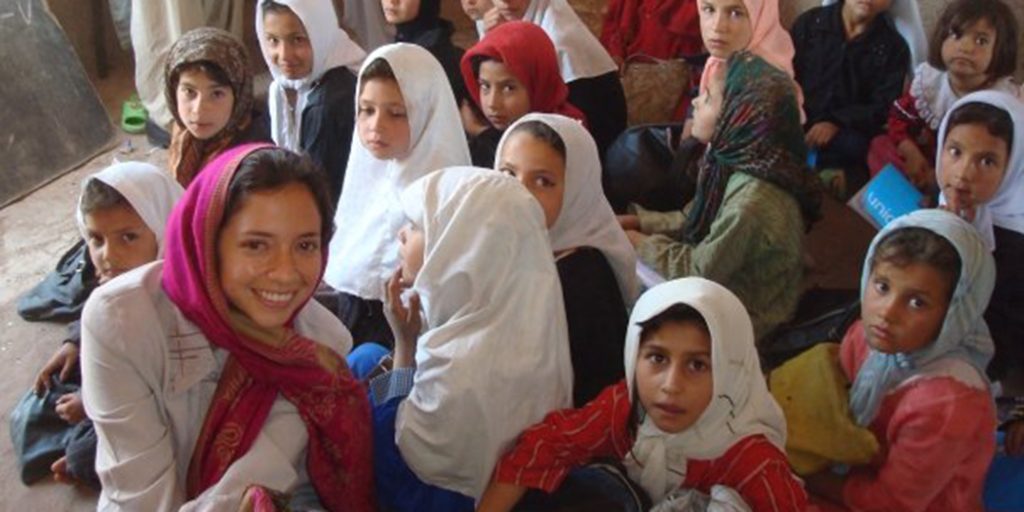
In the latest installment of our series that takes you behind-the-scenes at CCRC, Senior Research Associate Veronica Minaya discusses her experiences as a consultant for the World Bank in Afghanistan, where she helped build the country's post-war education system.
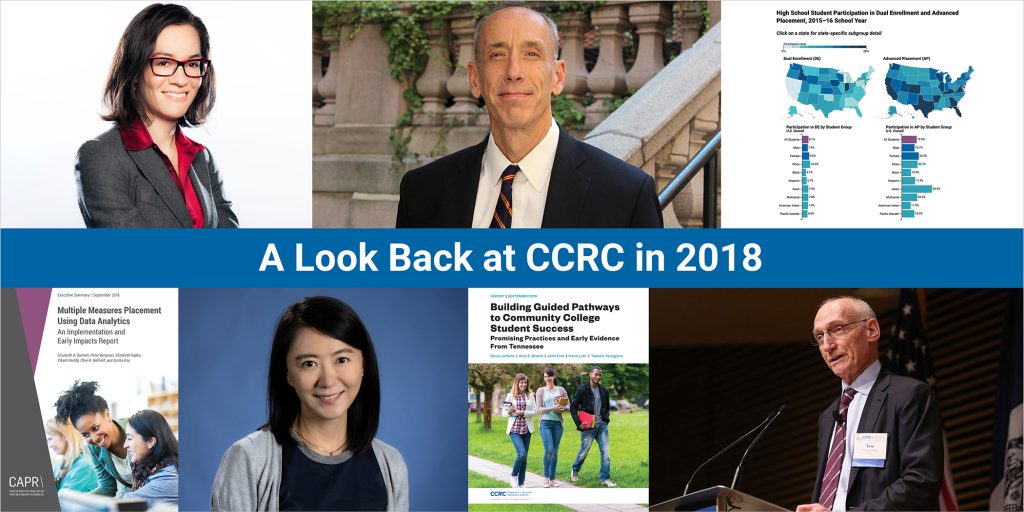
Over the past year, CCRC reached several milestones, produced important new research findings, and welcomed a new center director. Before we embark on the new year, here’s a look back at some highlights from 2018.
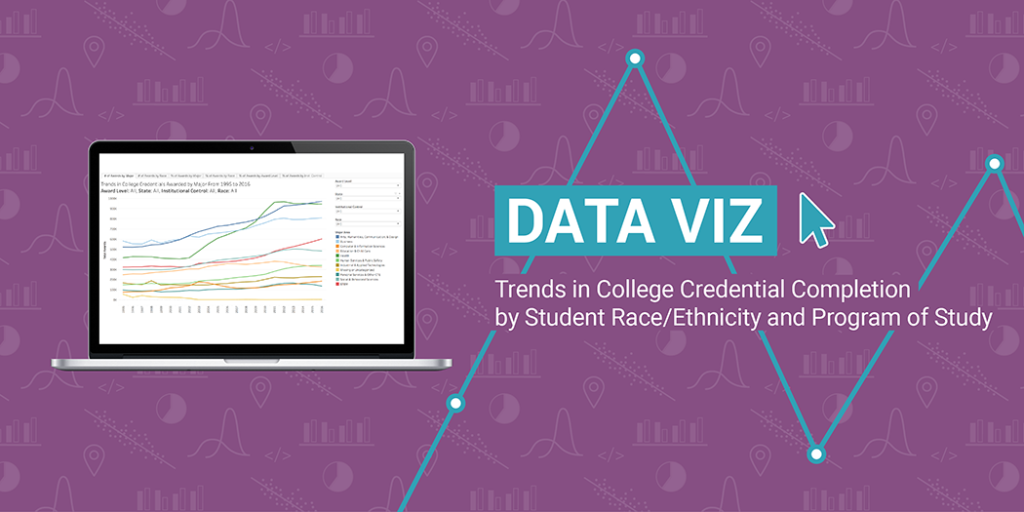
Takeshi Yanagiura presents a data tool that illustrates trends in college credentials awarded from 1995 to 2016 by a variety of factors, including state, college sector, broad major field, award level, and student race/ethnicity.
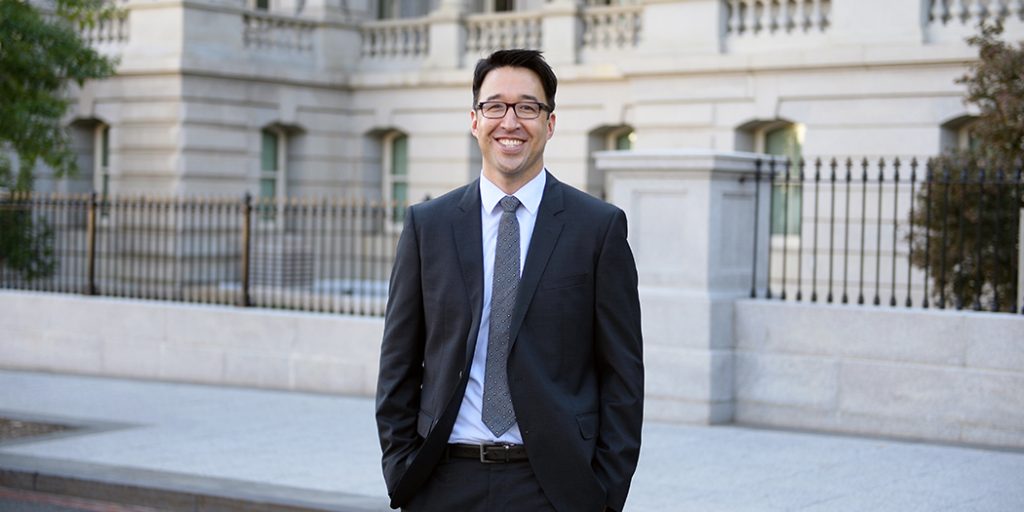
In the first edition of a series that takes you behind the scenes at CCRC, get to know Senior Research Fellow Jordan Matsudaira, who spent time in the White House before coming to Teachers College.
Susan Bickerstaff, coauthor of a new CCRC research brief on the experiences of part-time faculty at six colleges, outlines four ways colleges can better meet the needs of part-time faculty as part of a broader student success initiative.
John Fink uses newly released data from the U.S. Department of Education's Office for Civil Rights to look at disparities in access to dual enrollment and Advanced Placement by race and gender. An interactive data visualization shows the breakdown of participation by race and gender in each state.
Thomas Brock, who assumed the role of CCRC director on aThomas Brock, who assumed the role of CCRC director on September 1, reflects on CCRC's current work and emerging priorities and invites stakeholders in the field to share suggestions or feedback.September 1, reflects on CCRC's current work and emerging priorities and invites stakeholders in the field to share suggestions or feedback.
Elisabeth Barnett describes the major takeaways from a newly released CAPR report that examines early outcomes from a study of alternative placement systems at seven community colleges in the State University of New York system.
Recent research is helping to identify the academic behaviors and college practices associated with community college students who achieve momentum in STEM fields and providing new insights for the growing number of community colleges implementing guided pathways reforms, write Davis Jenkins and John Fink.
Melinda Karp, a former assistant director of CCRC, writes about how colleges can turn research into institution-specific reforms through a detailed planning process that determines what reform strategies might work and how they will play out day to day.
In this Q&A, Ashley Fagundes, an advisor at California State University, Fresno, describes the college's work to reform advising using technology and how it has changed the student experience.
Thomas Bailey and Clive Belfield describe findings from their just-released CCRC working paper, The Impact of Occupational Licensing on Labor Market Outcomes of College-Educated Workers, which examines the interactions of licenses and degrees.
In a recent brief for the National Summer Learning Association, Vivian Liu explains her research on the impact of Year-Round Pell Grants on students enrolling in summer courses, earning credits and completing college.
Thomas Brock, a nationally recognized higher education researcher who has been leading the research arm of the U.S. Department of Education, will become the next director of the Community College Research Center (CCRC).
Search the CCRC blog
Explore trends in community college outcomes with our interactive data visualizations.