Introductory science courses too often function as bottlenecks rather than gateways to high-demand STEM and health careers. Ohio Strong Start in Science seeks to transform introductory science courses to help more students succeed on their first attempt.
A December webinar shared findings from three projects on developmental education reform in Arkansas, Louisiana, and the City University of New York system. A panel of representatives from each system shared their perspectives on scaling corequisite implementation in their colleges.
As CCRC's research on corequisites continues, researchers find that students are voicing similar experiences across colleges. In this blog post, CCRC researchers share common student perspectives and suggestions on how to better support corequisite students.
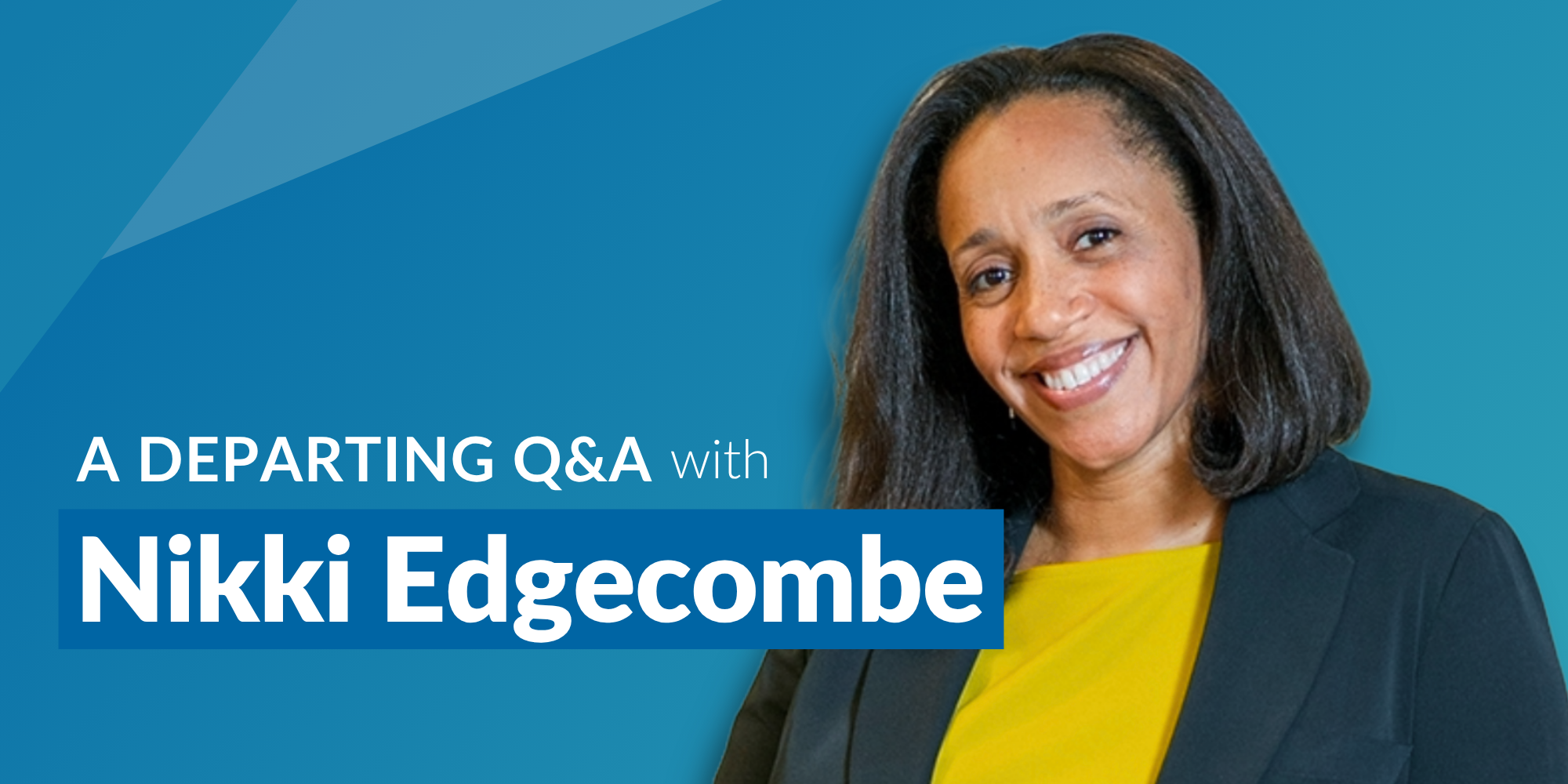
After more than fifteen years at CCRC, Nikki Edgecombe will be joining ECMC Foundation. Elizabeth Ganga had the opportunity to talk with her about her time at CCRC and where she’s headed next.
In order to close equity gaps in developmental math, colleges must address the specific challenges that less privileged students face, including stereotype threat and instructor bias.
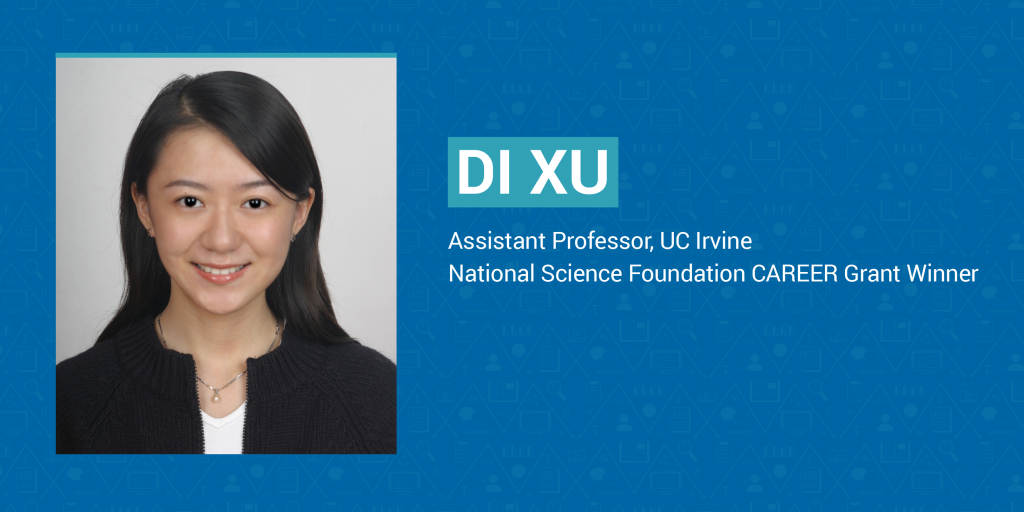
Di Xu, an assistant professor at the University of California, Irvine, has been awarded the prestigious CAREER grant from the National Science Foundation to support her research into online STEM courses.
James Jacobs discusses how strengthening the relationship between guided pathways reforms and career-technical education can improve both, as colleges refocus their programs on skills that are valued in the current job market.
CCRC offers its congratulations to Diana Cruz, Hana Lahr, Florence Xiaotao Ran, and Susha Roy, all of whom worked at CCRC during their graduate studies.
Elisabeth Barnett describes the Faculty Persistence Project at Oakton Community College in Illinois, the goal of which is to improve student persistence through the use of a faculty/student engagement protocol.
Guided pathways reforms are now far enough along in a growing number of colleges that researchers can begin to examine more deeply their effects on student outcomes, as well as the institutional practices that best support these reforms. Davis Jenkins lays out the next set of questions for researchers as they seek to build the evidence base around guided pathways.
The League’s Innovations Conference in National Harbor, MD, which ran from March 18–21, gave our researchers a chance to update community college faculty and staff on several projects CCRC has been working on, and to explain interim findings that might give some answers to the common problems colleges face.
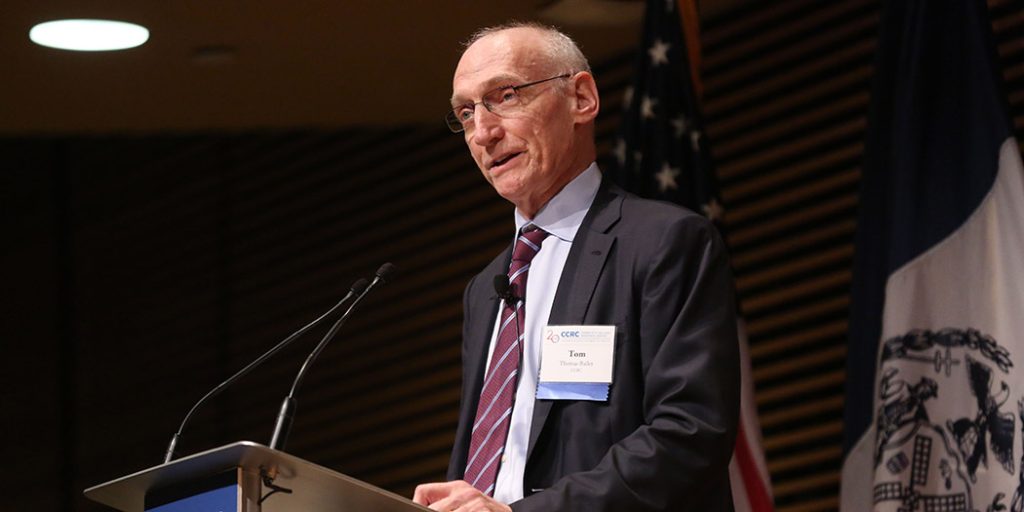
Thomas Bailey, the director of the Community College Research Center (CCRC) since its founding in 1996, has been named the next president of Teachers College, where he has been an economics of education professor since 1990.
In the director's column for CCRC's 2018 newsletter, Thomas Bailey discusses issues colleges should attend to as they implement guided pathways in order to ensure that these reforms help close equity gaps.
In this video, Judith Scott-Clayton discusses new data from the U.S. Department of Education showing widely different impacts of student debt on different students.
What are transition courses, and why are they growing in popularity? What do we know about their effectiveness? This blog post shares findings from a CCRC scan of transition courses.
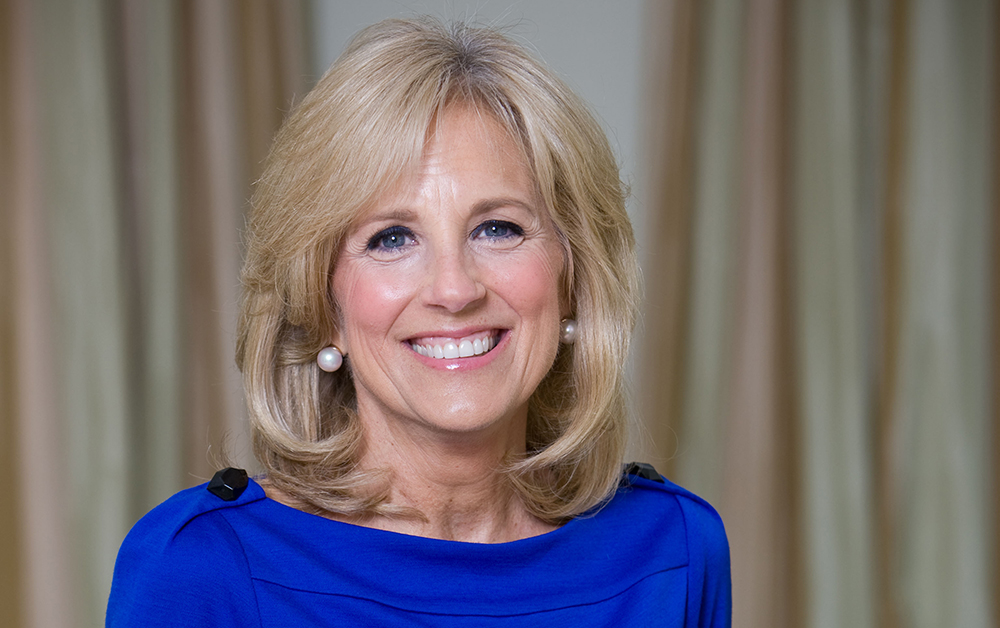
In her keynote presentation at CCRC's 20th-anniversary event, Dr. Jill Biden emphasized the need for researchers to "document the lived experience of our students" and for colleges to offer wraparound services.
In her keynote presentation at CCRC's 20th-anniversary event, Dr. Jill Biden emphasized the need for researchers to "document the lived experience of our students" and for colleges to offer wraparound services.
Jamie Whittington-Studer and Crystal Salas of Moorpark College explore key takeaways from their college's implementation of a tutoring program that makes reaching out for support as simple as sending a text.
Search the CCRC blog
Explore trends in community college outcomes with our interactive data visualizations.