Introductory science courses too often function as bottlenecks rather than gateways to high-demand STEM and health careers. Ohio Strong Start in Science seeks to transform introductory science courses to help more students succeed on their first attempt.
A December webinar shared findings from three projects on developmental education reform in Arkansas, Louisiana, and the City University of New York system. A panel of representatives from each system shared their perspectives on scaling corequisite implementation in their colleges.
As CCRC's research on corequisites continues, researchers find that students are voicing similar experiences across colleges. In this blog post, CCRC researchers share common student perspectives and suggestions on how to better support corequisite students.
After more than fifteen years at CCRC, Nikki Edgecombe will be joining ECMC Foundation. Elizabeth Ganga had the opportunity to talk with her about her time at CCRC and where she’s headed next.
In order to close equity gaps in developmental math, colleges must address the specific challenges that less privileged students face, including stereotype threat and instructor bias.
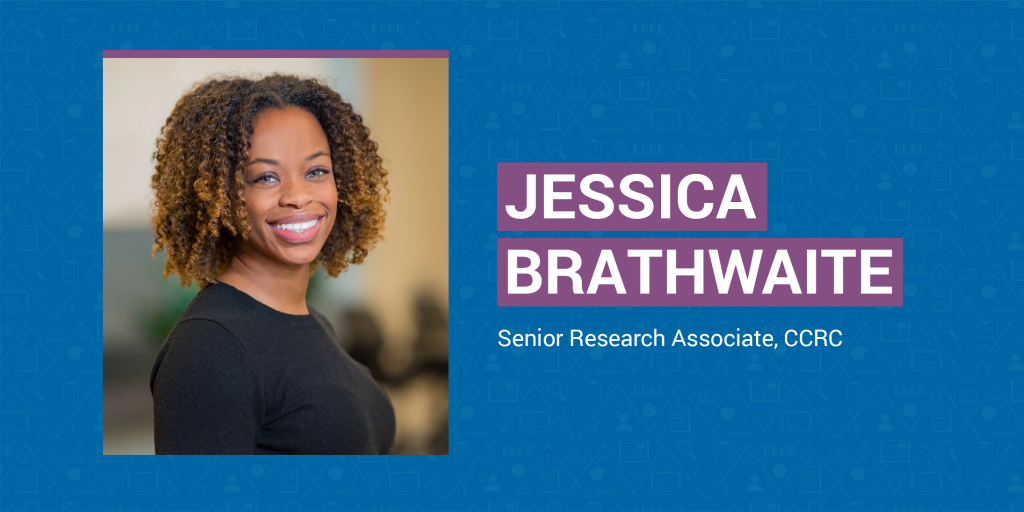
In this edition of Inside CCRC, Senior Research Associate Jessica Brathwaite describes the dynamics she observed as a student in Queens that catalyzed her passion for equity work.
In this blog post, CCRC Research Affiliate Rebecca Natow describes how the public can weigh in on changes proposed by the U.S. Department of Education and why doing so matters.
Community college presidents are crucial in fostering a campus culture that allows strong teaching to flourish. This blog post describes four ways leaders can embrace and encourage highly effective practice in the classroom.
This post introduces CCRC's new blog series on teaching in community college. This summer, we will go inside the classroom to understand more about the practices that define high-quality instruction.
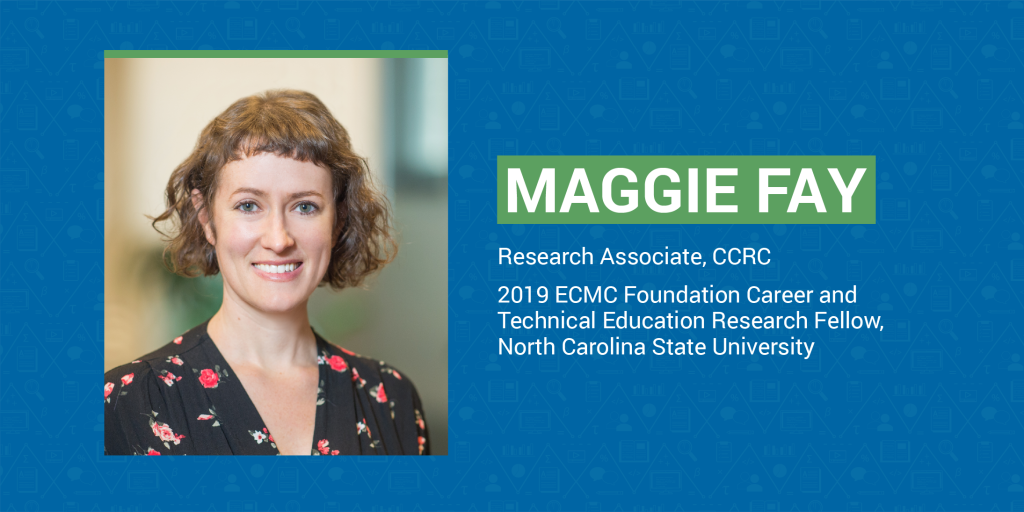
Graduate students are essential to the work we do at CCRC. Congratulations to the six CCRC staff members who completed either a master's or a PhD this year.
Drawing on lessons learned from CUNY ASAP, iPass, and faculty development cycles, this blog post explores why some reforms prove successful in multiple contexts, while others do not.
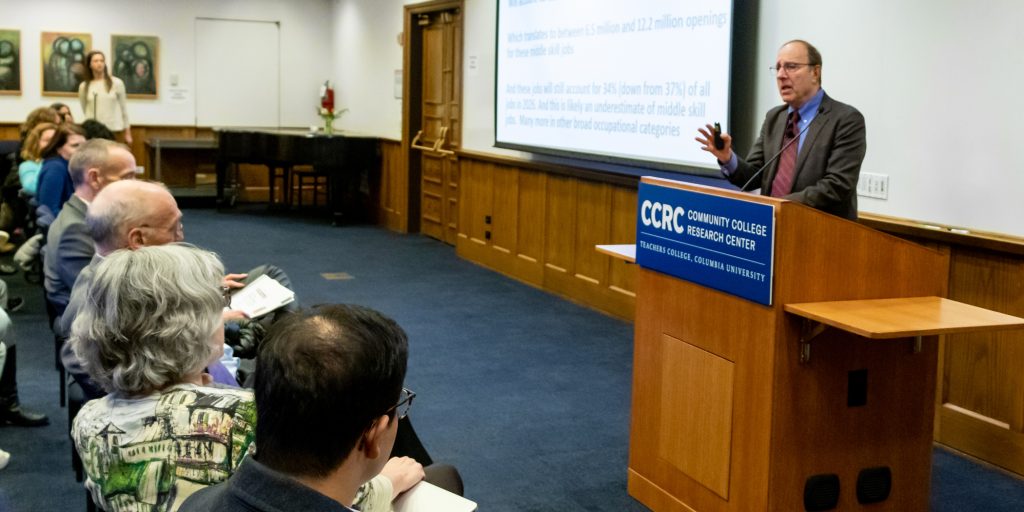
Paul Osterman, a professor at MIT's Sloan School of Management, discussed the future of work during a February 28 talk at Teachers College organized by CCRC.
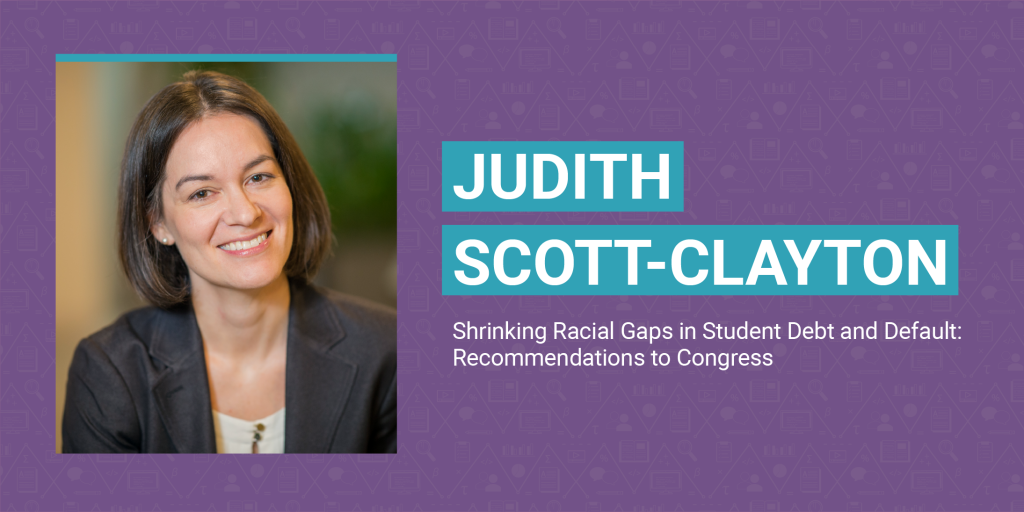
The gaps in debt levels and default rates between White and Black college students have swelled to an alarming extent, and some U.S. senators have taken notice. Judith Scott-Clayton outlines several policy recommendations for shrinking the disparities.
By framing demography as opportunity, community colleges can upend deficit orientations toward the students they enroll and make a meaningful case for additional resources, Nikki Edgecombe explains in this blog post.
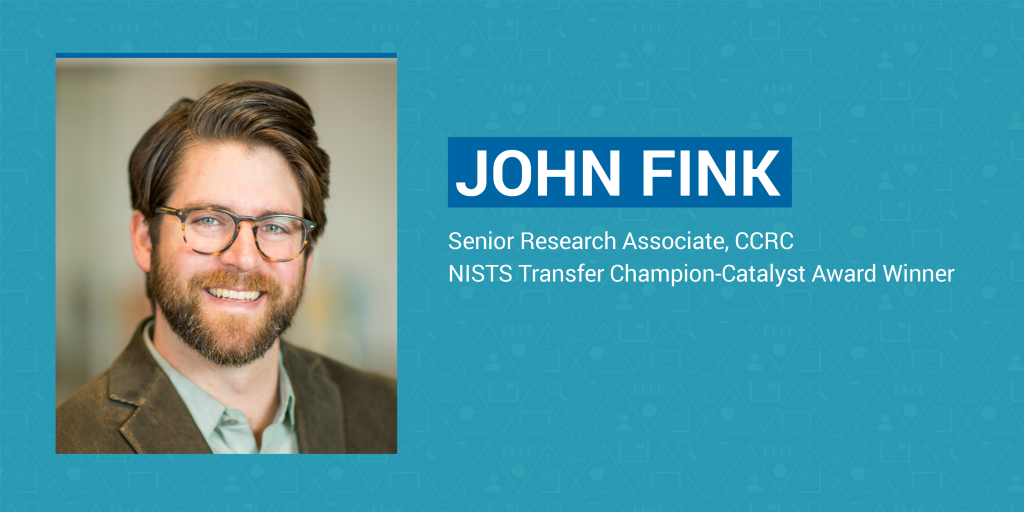
The National Institute for the Study of Transfer Students will honor CCRC Senior Research Associate John Fink with its 2019 Champion–Catalyst award, which recognizes "game-changers in the transfer field."
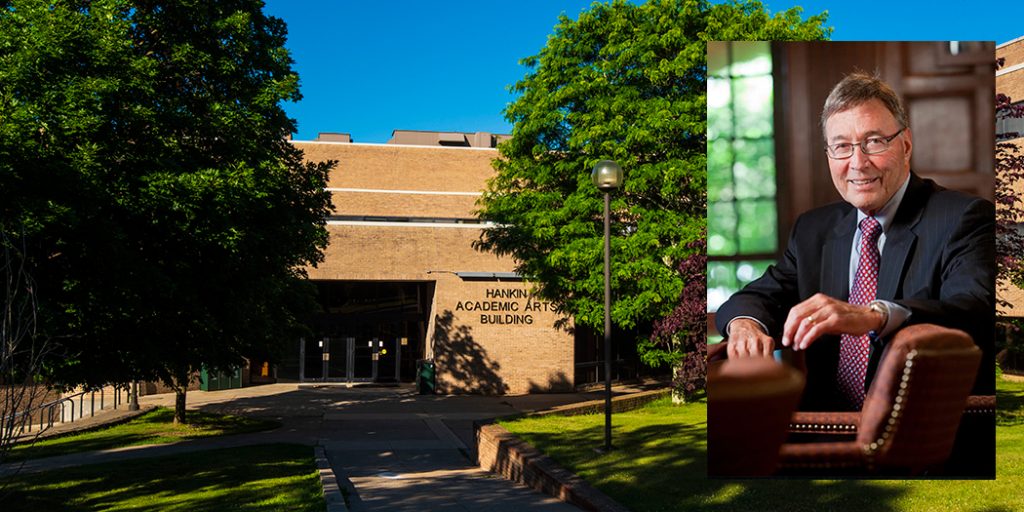
We are sad to announce that Dr. Joseph N. Hankin, who served on the CCRC advisory board for a decade and led Westchester Community College for more than 40 years, died at age 78.
CCRC Director Thomas Brock gives a broad overview of the landscape of developmental education reform. He details several strategies—including transition courses, corequisites, and math pathways—that aim to improve remediation, and describes what research has revealed thus far about the effectiveness of each approach.
Search the CCRC blog
Explore trends in community college outcomes with our interactive data visualizations.