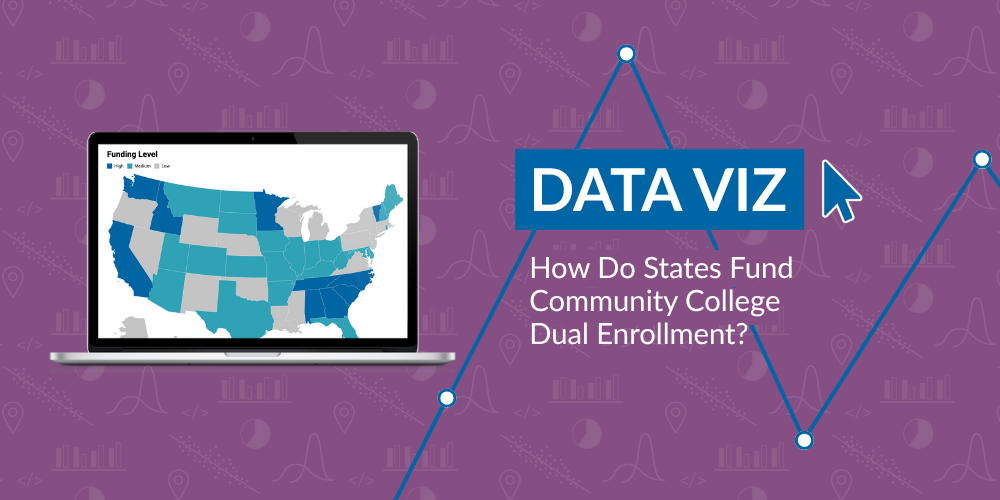
To facilitate comparisons across states, this blog post shows how community colleges fund dual enrollment by state, including how much funding is set aside for dual enrollment, whether a state uses formula funding or grants, and how funding flows through K-12 systems.
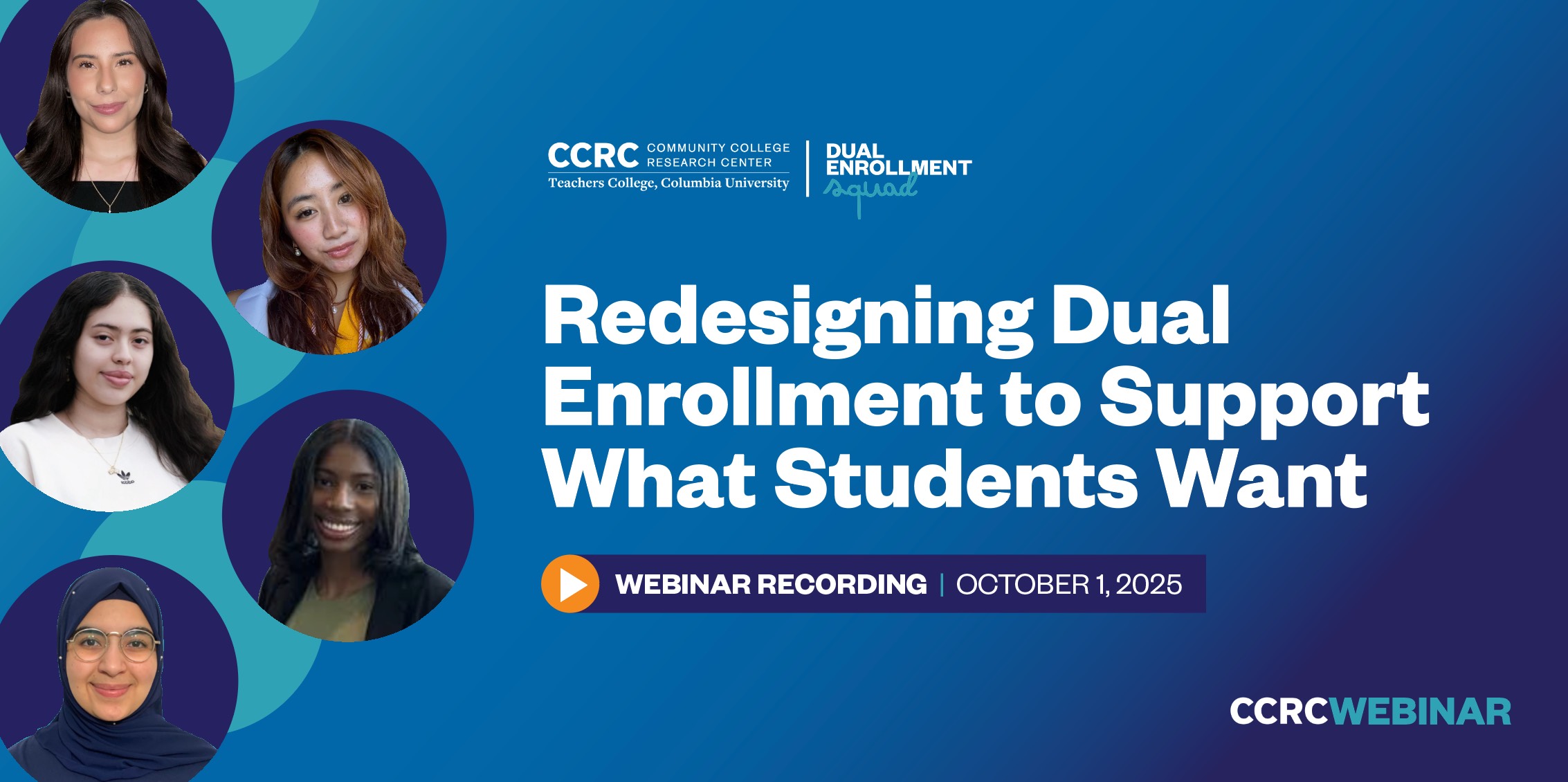
Dual enrollment is growing across the nation, yet students rarely get the chance to share their perspectives on program design. An October webinar featured former and current dual enrollment students who discussed ways colleges can support their dual enrollees.
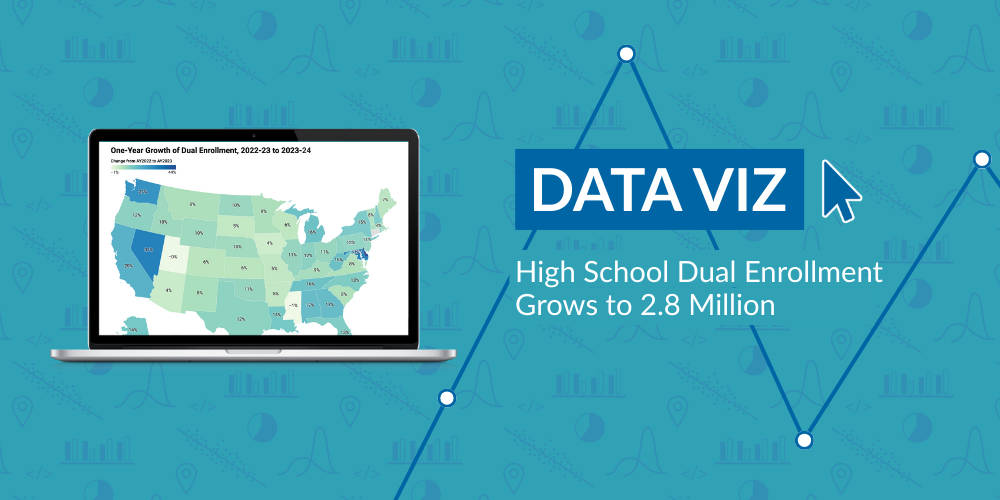
New data show dual enrollment has expanded across the country. CCRC's John Fink shares key takeaways from updated 2023-24 IPEDS data in this blog post.
By putting research into practice, The Alamo Colleges District in Texas made dual credit both accessible and meaningful for more students. Learn how college and high school leaders worked together to make it happen in this blog post.
Dual enrollment provides an opportunity to potentially reduce the time and cost of earning a bachelor’s degree. But what happens when the path after high school isn’t so clear? CCRC's Aurely Garcia Tulloch and Akilah H. Thompson share their experiences as former dual enrollment students and discuss ways to support dual enrollment students attempting to transfer their credits.
In order to close equity gaps in developmental math, colleges must address the specific challenges that less privileged students face, including stereotype threat and instructor bias.
Based on research presented in CCRC's new guide, this blog breaks down how much guided pathways reforms cost to implement, why colleges are choosing to undertake the reforms despite those costs, and what these efforts mean for funding amid the pandemic.
CCRC is concerned about the future of the planet, we know our practices have negatively affected the environment, and we will do better moving forward.
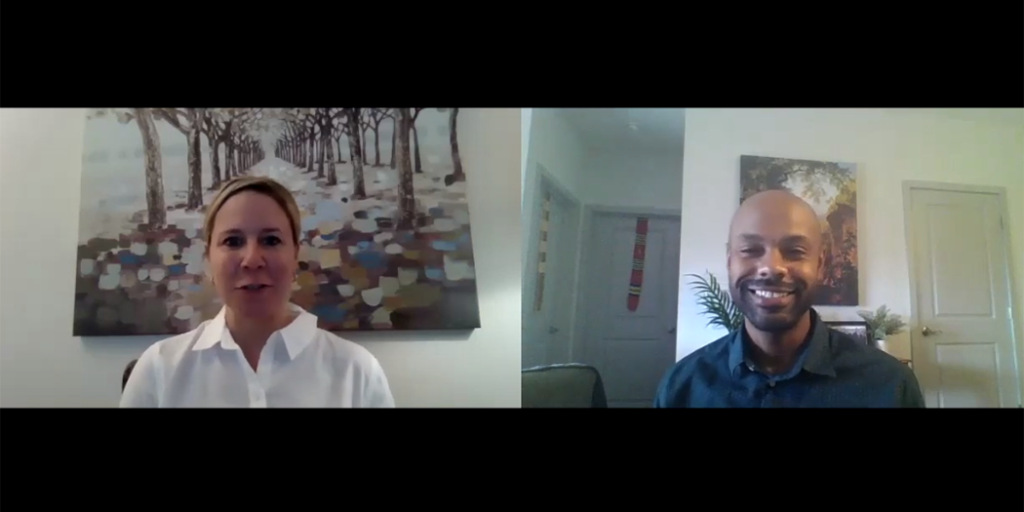
In a video interview, CCRC's Lauren Pellegrino and UNCC's LeeFredrick Bowen discuss effective advising and how advisors have responded to the COVID-19 pandemic.
This essay is adapted from CCRC Senior Research Scholar Judith Scott-Clayton's testimony before the Senate HELP Committee on the need to simplify the FAFSA form as a matter of equity and college access.
Though remote experiences cannot replace the relationships students and advisors build when they're together on campus, colleges across the country adapted to provide support to their most vulnerable learners when the COVID-19 pandemic hit. Here, researchers describe some of the strategies they implemented.
Technology and the COVID-19 pandemic have disrupted employment and accelerated changes to the workplace. Here, CCRC's Sarah Griffin and Maria Scott Cormier describe three key skills employers expect community college graduates to possess amid the evolving economic environment.
The next COVID-19 federal relief bill should more fairly distribute aid to community colleges, which educate a significant number of students belonging to communities disproportionately affected by the coronavirus pandemic.
The Institute of Education Sciences at the U.S. Department of Education awarded CCRC two major grants to train doctoral students in applied postsecondary research and to evaluate the impact of the Federal Work-Study program on student outcomes.
A new CCRC study finds that students who are primarily enrolled in four-year colleges but take some courses at two-year institutions benefit from doing so. Here, Maggie Fay and Vivian Yuen Ting Liu explain and contextualize the results of the study.
It's important to connect with students and staff in ordinary times, but during the pandemic, fostering a sense of campus community is all the more crucial. In this blog post, experts offer ideas for keeping staff and students engaged and feeling supported while everyone is remote.
In the latest installment of our teaching and learning blog series, Susan Bickerstaff and Maria Cormier describe how three design principles from CUNY Start, a pre-college developmental education program, could be adapted to support broader improvements to instruction.
Budgets signal who and what a society values. To that end, anti-racist higher education policies should begin with allocating greater financial resources to community colleges.
We are so proud of Heidi Booth, Maggie Fay, Lindsay Leasor, and Selene Sandoval for earning graduate degrees this year. Booth, Leasor, and Sandoval completed master's degrees at Teachers College, and Fay finished her PhD at the City University of New York Graduate Center.
Search the CCRC blog
Explore trends in community college outcomes with our interactive data visualizations.