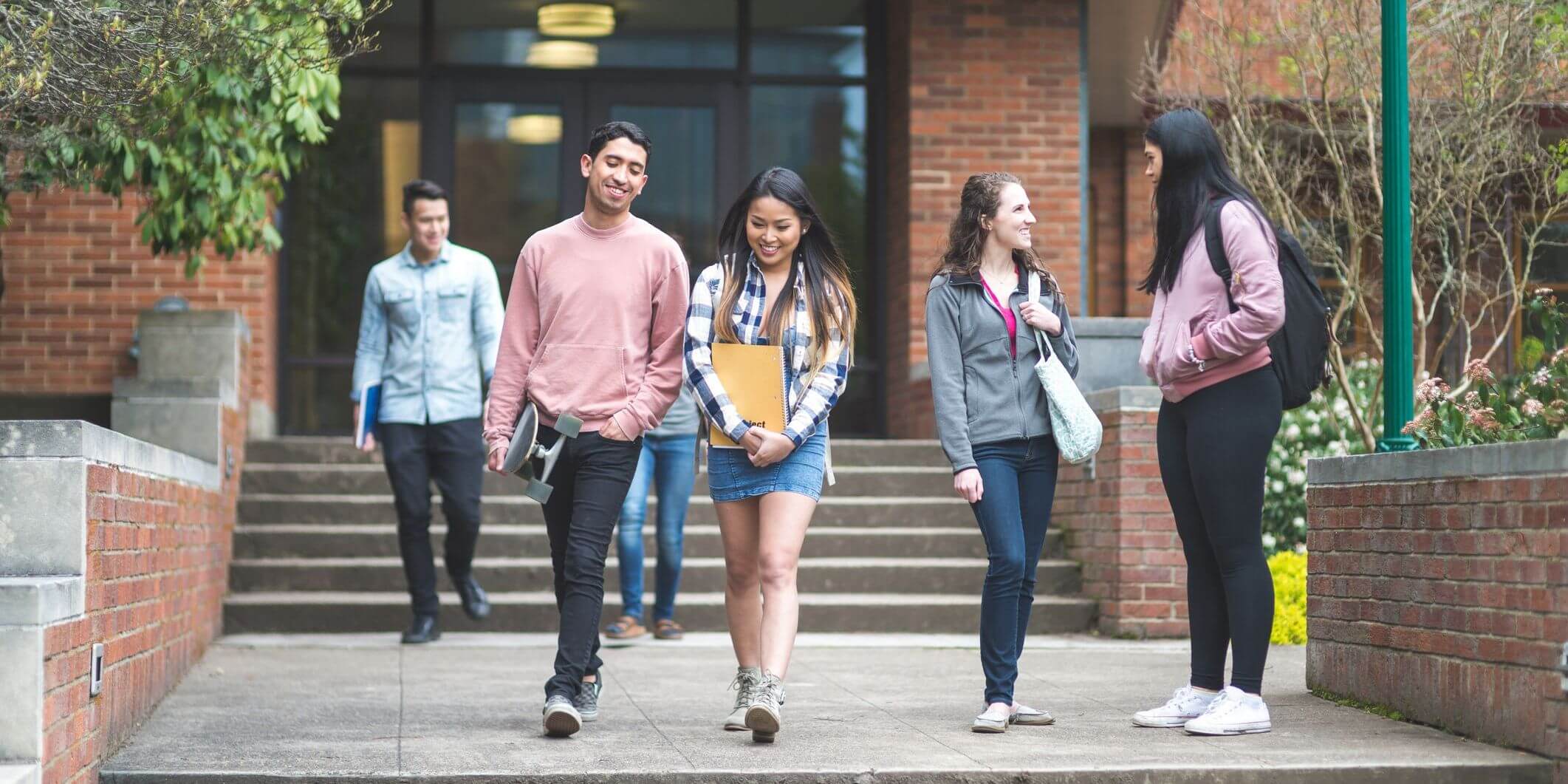
What factors might cause community college students to pause their studies? And what motivates them to return? Summer intern Lauren Lawler explores these questions and reflects on her personal experience as a community college student.
In this blog post, summer intern Deenika Oladipo writes about the rollout of the simplified FAFSA form, how it was received by students and administrators, and what students can expect this year when filing for FAFSA.
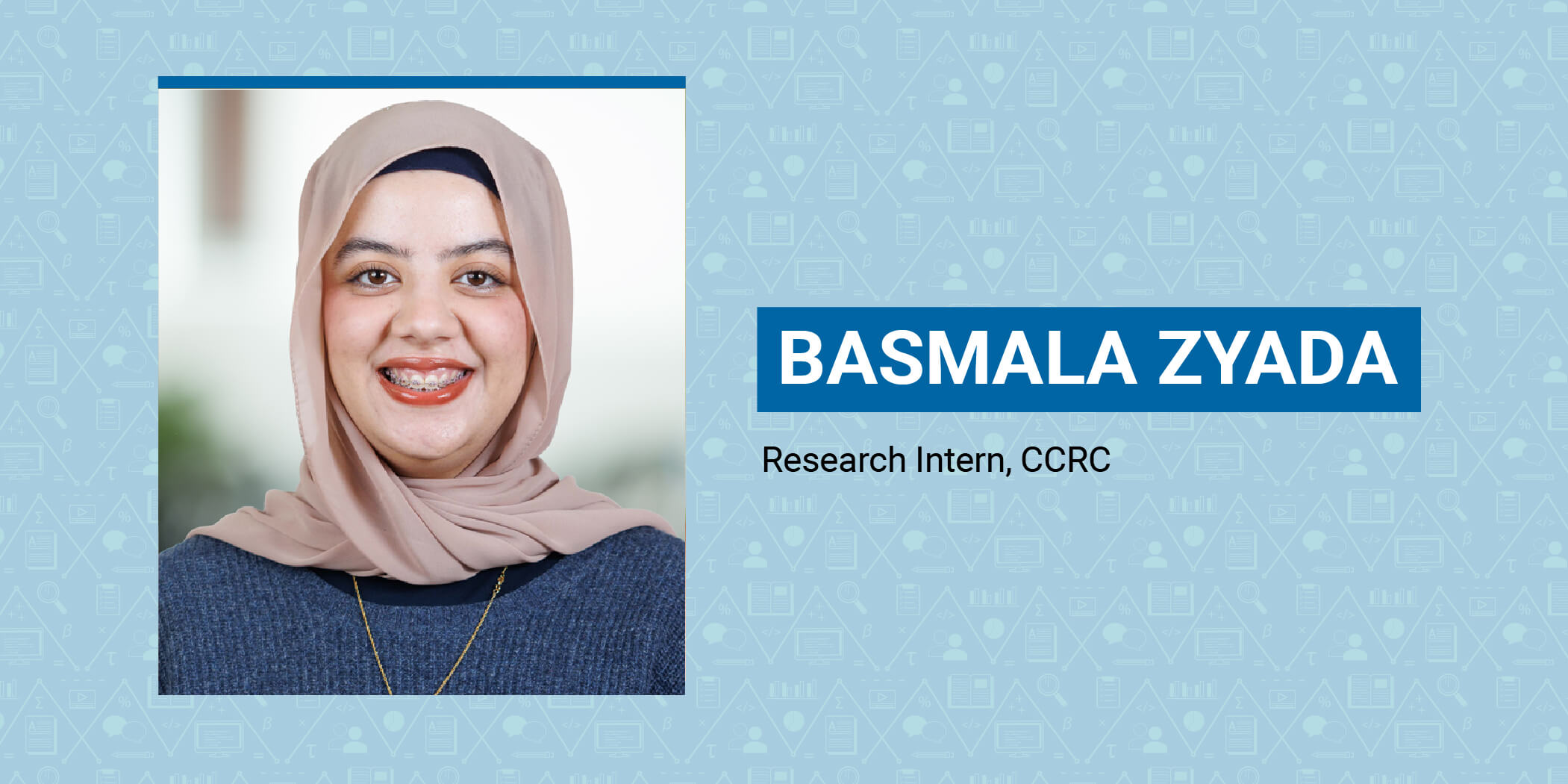
CCRC Intern Basmala Zyada writes about how working on a research project on how students choose programs made her reflect on her own impulsive decision to major in English.
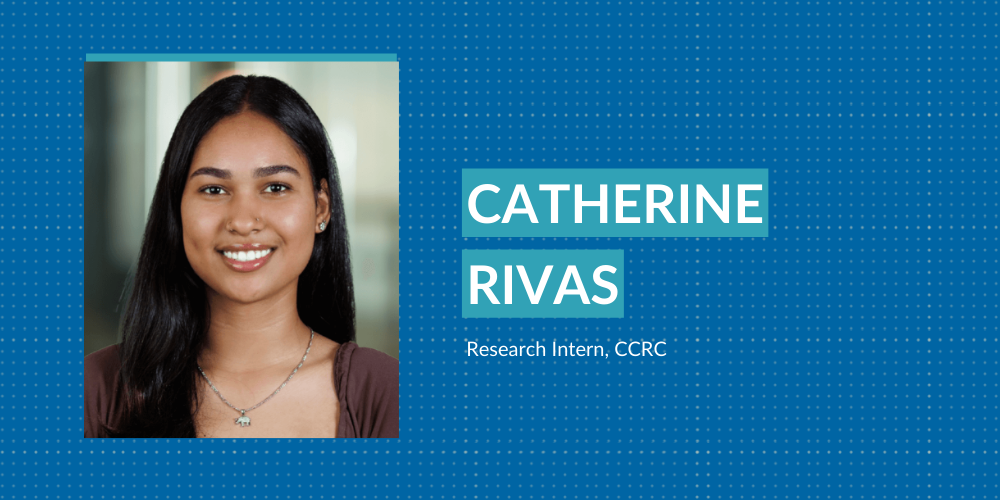
Catherine Rivas is joining CCRC this summer as a research intern. In this Q&A, Rivas delves deeper into her own college experience and her motivations for research.
Basmala Zyada is joining CCRC this summer as a research intern. In this Q&A, Zyada shares her journey in the humanities, her creative writing endeavors, and her experiences navigating the world of educational research.
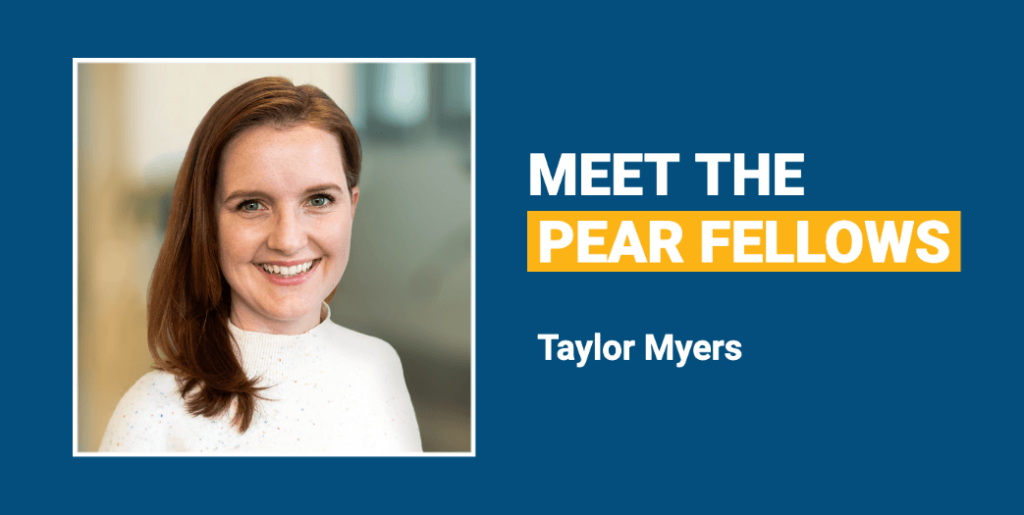
PEAR fellow Taylor Myers wants to produce research that informs our understanding of equitable access and success and how students’ personal, professional, and academic experiences shape policymaking and postsecondary outcomes.
This post describes the benefits that disciplinary societies can offer community college faculty and students and shares findings from a report on the recent workshop Strengthening Engagement Between Disciplinary Societies and Community Colleges.
Anne Arundel Community College and Anne Arundel County Public Schools are launching a summer bridge program for rising high school seniors designated as English learners.
CCRC research on transfer in Michigan indicates that improving transfer pathways between community and four-year colleges could go a long way toward increasing the number of future educators.
In a blog post for Inside Higher Ed, Umika Kumar argues that to help more students transfer, colleges should invest in their first year, highlighting practices from CCRC's Ask-Connect-Inspire-Plan (ACIP) framework.
As a Postsecondary Education Applied Research (PEAR) fellow, CJ Libassi is digging into quantitative methods and exploring his interests in college access and student loan policy.
CCRC researchers describe an emerging approach to dual enrollment called dual enrollment equity pathways, or DEEP, in which community colleges partner with middle and high schools to motivate and prepare underserved students to pursue college pathways in fields of interest.
CCRC’s Guided Pathways Summer Institute is back! Following a competitive application and interview process, 22 teams representing 24 colleges in 18 states were selected for the 2022 institute.
Melissa Herman, a member of the first class of PEAR Fellows at CCRC and Teachers College, is devoting her career to expanding educational opportunities for students in her hometown of New York City.
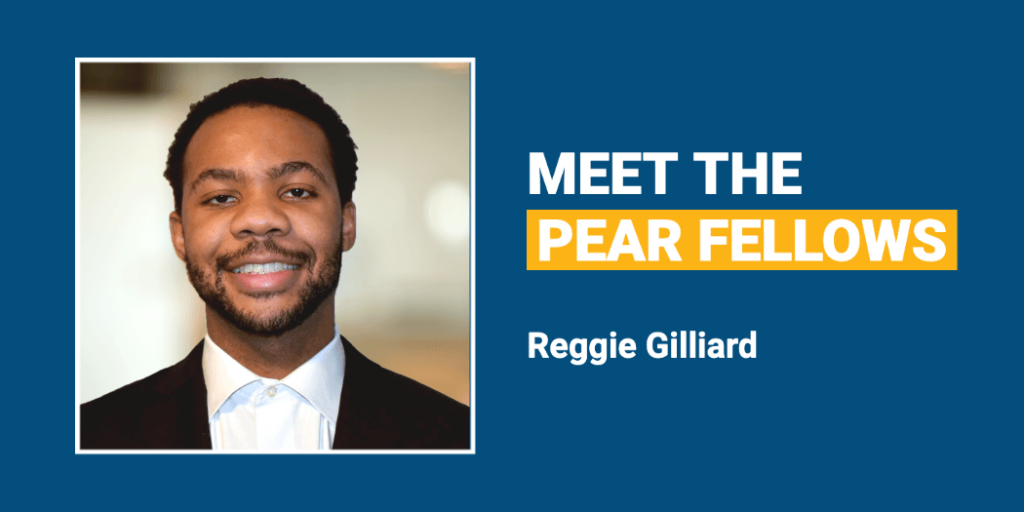
Reggie Gilliard, a PhD student and PEAR fellow at Teachers College, is looking to help close the gap between academic research and classroom practice in the American education system.
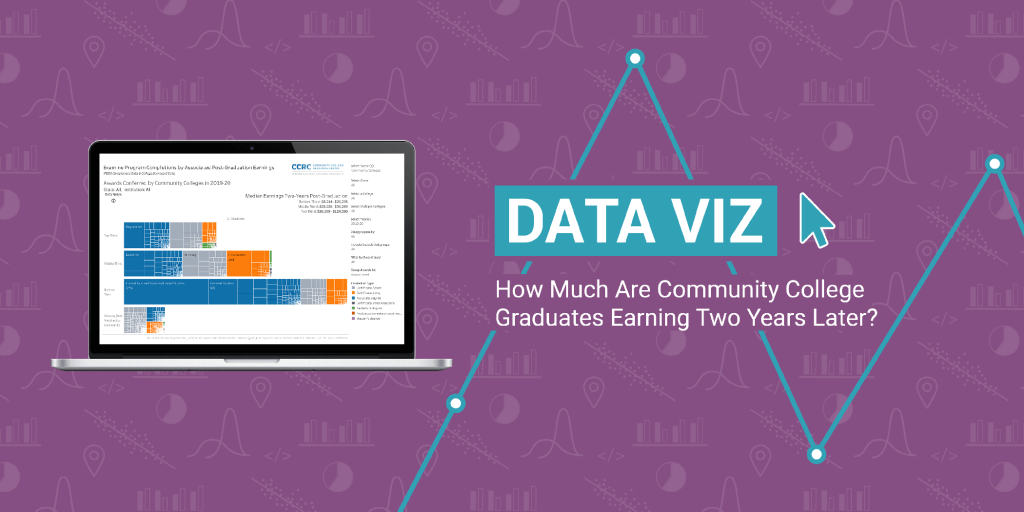
In an update to their Tableau dashboard using IPEDS data to show which credentials students are completing by college and state, John Fink and Davis Jenkins incorporated earnings data to lend additional insight into programs' postgraduation outcomes.
What can colleges interested in our summer 2022 guided pathways institute expect? We asked 2021 participants from three colleges—located in Massachusetts, Nebraska, and Arizona—to describe their experiences.
Despite all the challenges of this year, CCRC researchers continued to launch new work, engage with the field, and chart the pandemic's impact on community colleges. Here, we reflect on the year that was, highlighting these accomplishments and more.
This post highlights four key pandemic-related economic trends that are shaping American jobs and how community colleges can ensure students are prepared to thrive in this new world of work.
Search the CCRC blog
Explore trends in community college outcomes with our interactive data visualizations.