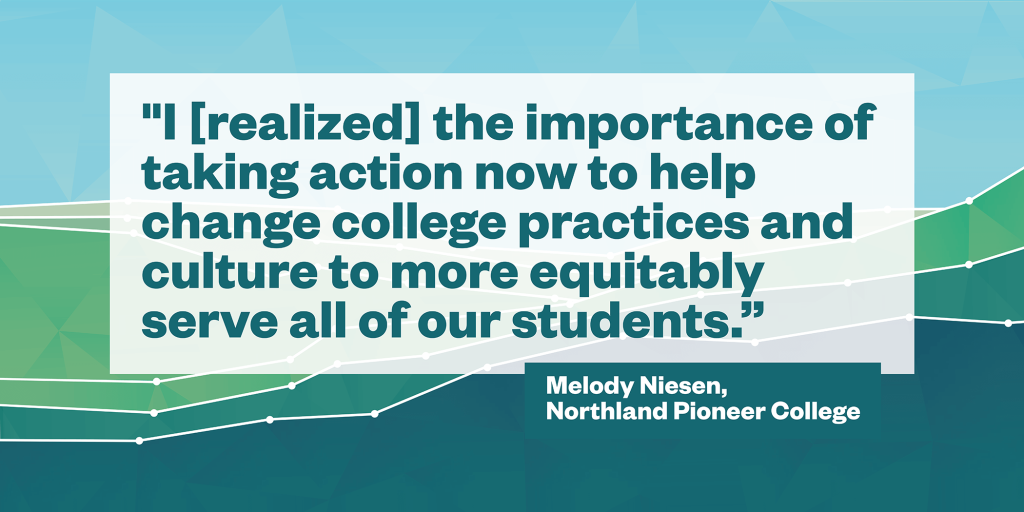
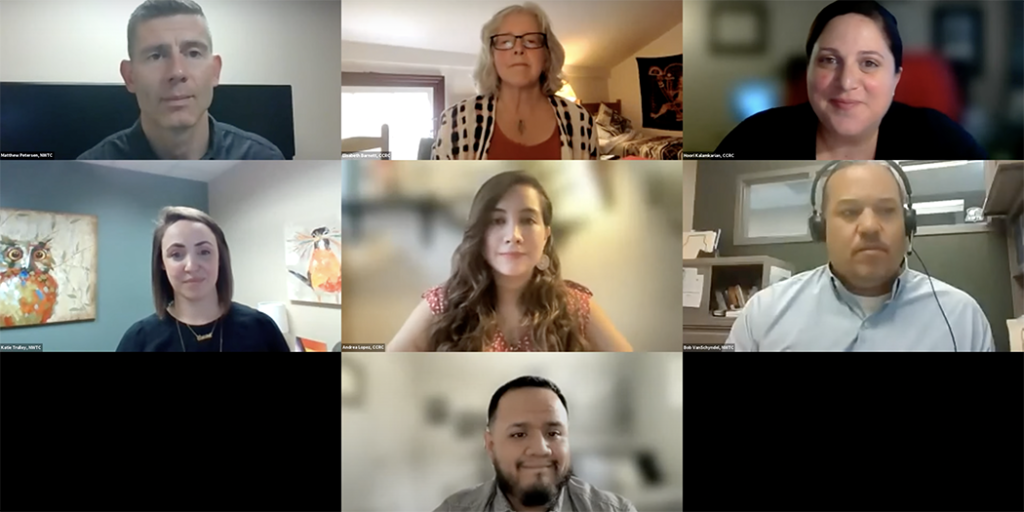
What can colleges interested in our summer 2022 guided pathways institute expect? We asked 2021 participants from three colleges—located in Massachusetts, Nebraska, and Arizona—to describe their experiences.
Despite all the challenges of this year, CCRC researchers continued to launch new work, engage with the field, and chart the pandemic's impact on community colleges. Here, we reflect on the year that was, highlighting these accomplishments and more.
This post highlights four key pandemic-related economic trends that are shaping American jobs and how community colleges can ensure students are prepared to thrive in this new world of work.
This post describes how, as the pandemic nears the end of its second year, community college degrees continue protect graduates and whether initial pandemic-related disruptions are becoming permanent features of the labor market.
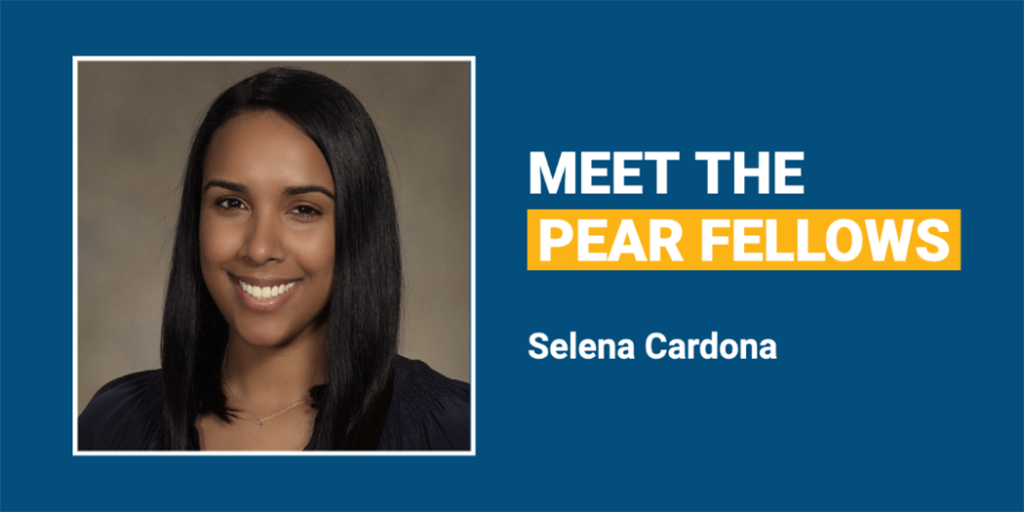
In this blog series, we'll introduce you to the first cohort of Postsecondary Education Applied Research (PEAR) fellows. First up is Selena Cardona, who previously worked in Sen. Chuck Schumer's office.
In a recent CCRC webinar, researchers explained how colleges have used data to gauge the impact of student support initiatives and to design more equitable systems.
This interview delves into the evolving relationship between the federal government and postsecondary education throughout American history, as well as what community colleges can do to influence policy to their benefit.
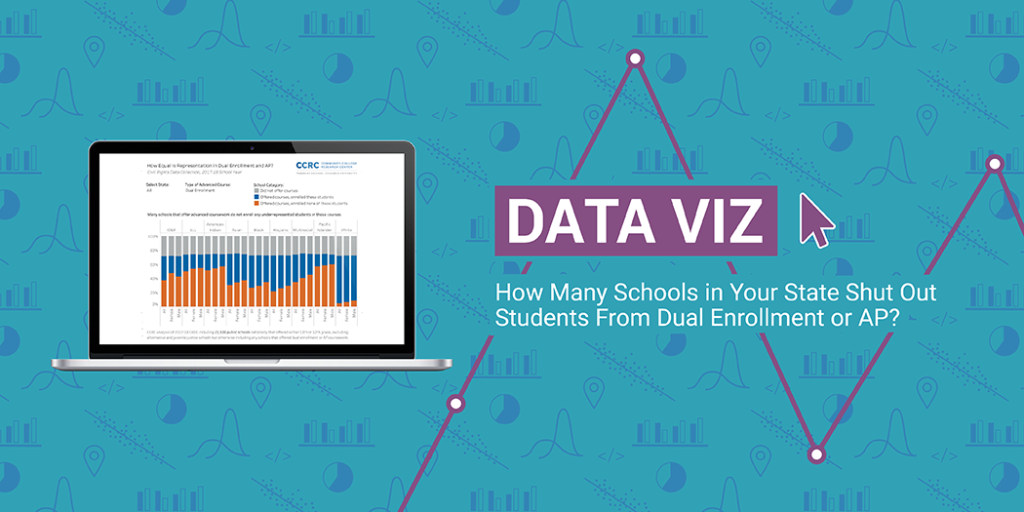
This interactive blog post allows you to see what percentage of schools in your state have excluded high school students with disabilities, English language learners, and students by race/ethnicity from college-level coursework.
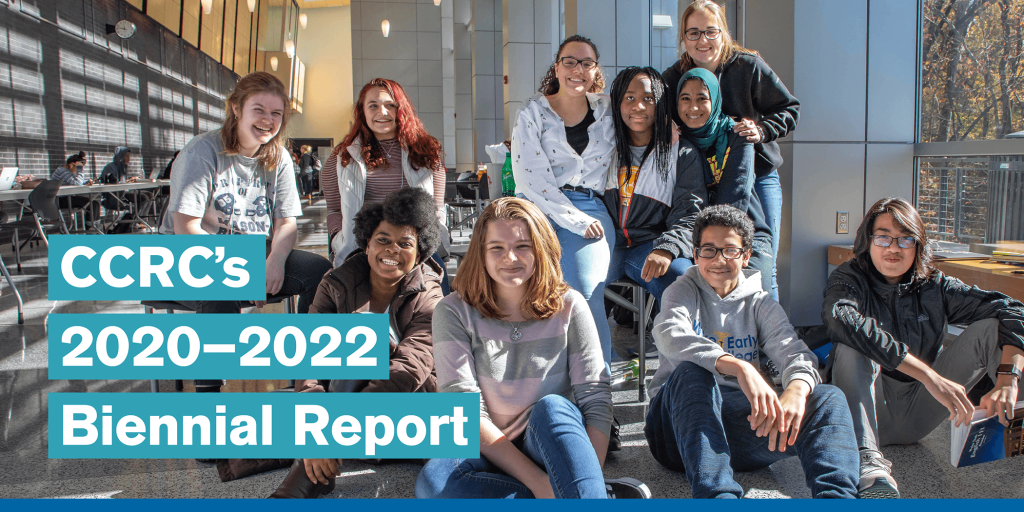
CCRC's 2020–22 biennial report showcases the center's work over the past year as community colleges struggled with the COVID-19 pandemic and other challenges and previews the compelling work we have planned to help community colleges move forward.
The COVID-19 pandemic continues to affect community college students. This blog post summarizes the level of disruption at the start of this academic year compared to the disruptions of the last academic year in a simple phrase: “half as much.”
This blog post describes key takeaways from our guided pathways summer institute for rural colleges, including suggestions for reframing the barriers many colleges face as assets.
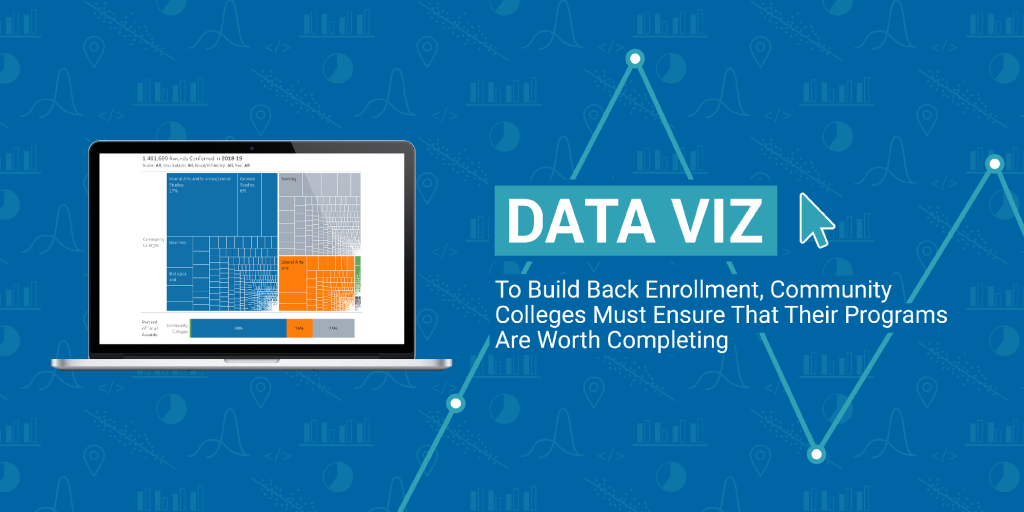
It's not enough to make it easier to go to college; to boost enrollment, students must have access to valuable programs. To that end, our latest interactive tool shows you what credentials students are completing at your college or in your state.
This post describes how guided pathways reforms can create the conditions for students to see a broader range of opportunities for themselves and then help students successfully realize those opportunities.
To boost adult enrollment and credential attainment, community colleges must make it easier for students to secure college credit for their previous work experience.
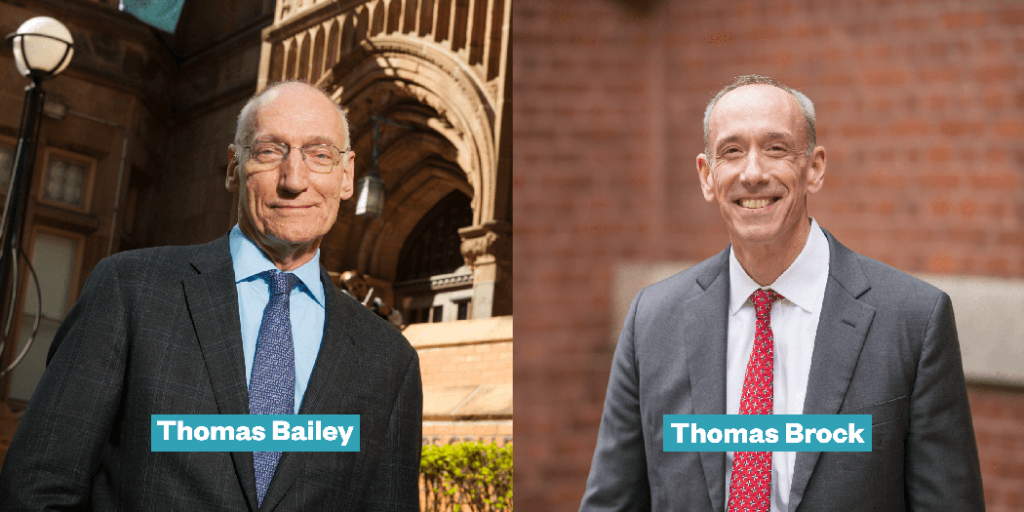
To mark our 25th anniversary, our founding director, Thomas Bailey, sat down with our current director, Thomas Brock, to reflect on CCRC's growth and consider the next phase of the center's work.
Search the CCRC blog
Explore trends in community college outcomes with our interactive data visualizations.