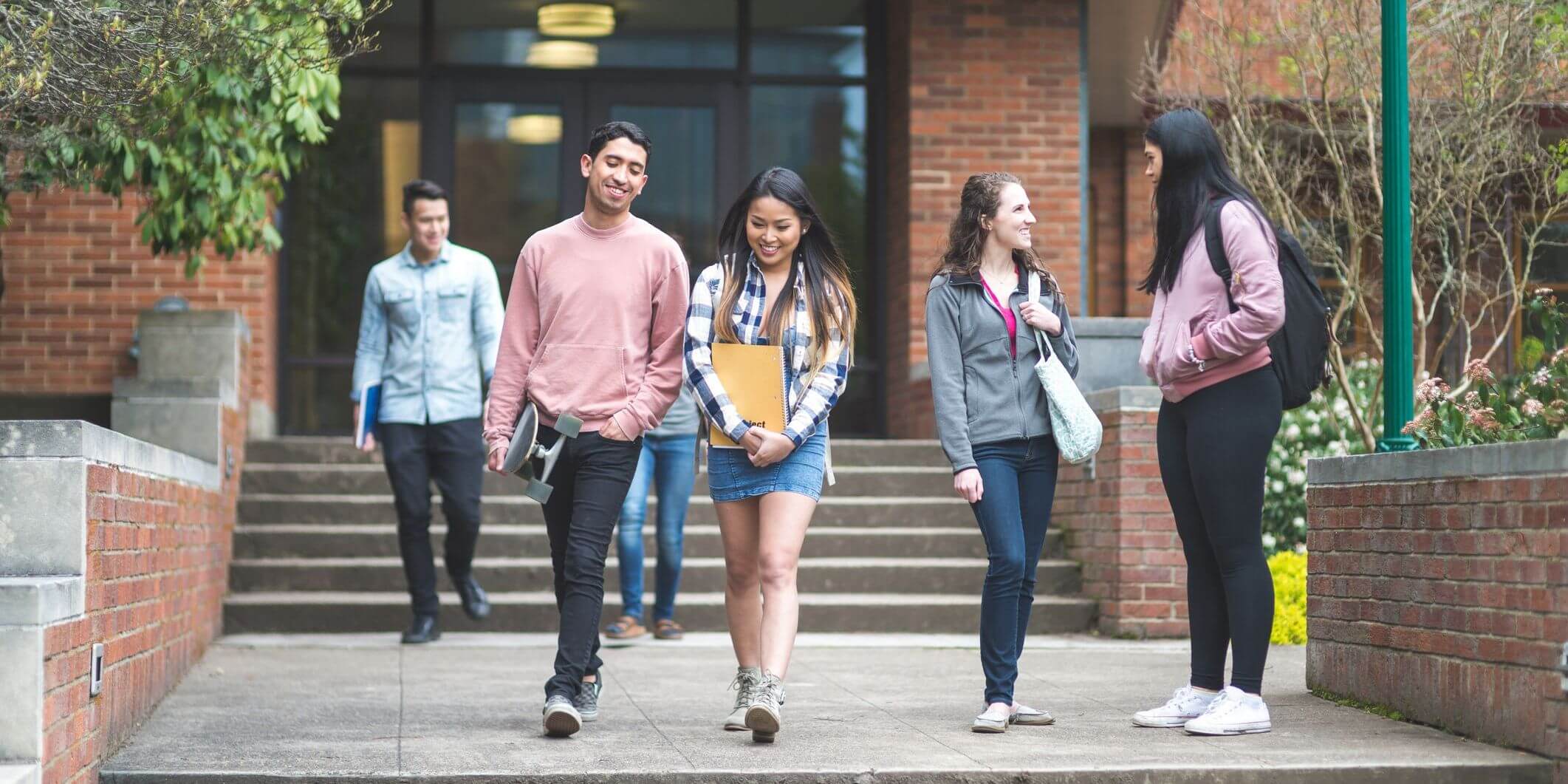
What factors might cause community college students to pause their studies? And what motivates them to return? Summer intern Lauren Lawler explores these questions and reflects on her personal experience as a community college student.
In this blog post, summer intern Deenika Oladipo writes about the rollout of the simplified FAFSA form, how it was received by students and administrators, and what students can expect this year when filing for FAFSA.
CCRC Intern Basmala Zyada writes about how working on a research project on how students choose programs made her reflect on her own impulsive decision to major in English.
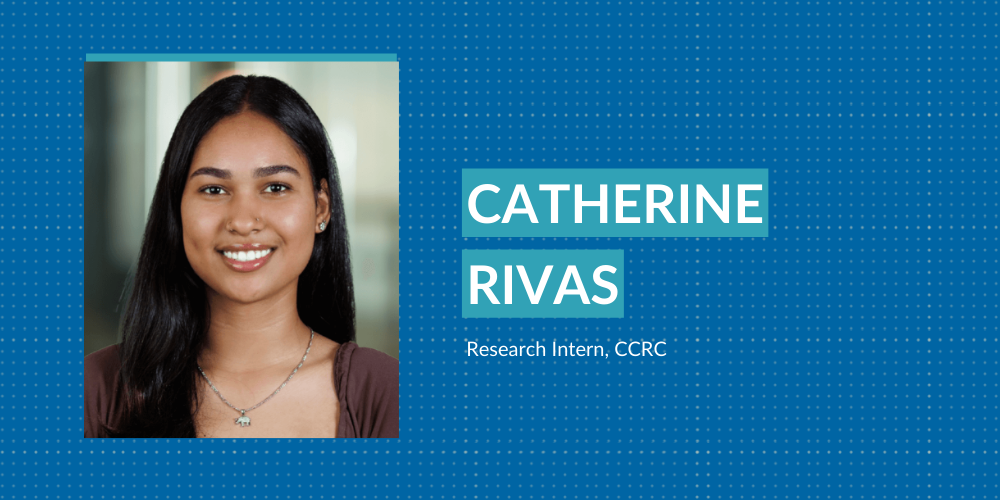
Catherine Rivas is joining CCRC this summer as a research intern. In this Q&A, Rivas delves deeper into her own college experience and her motivations for research.
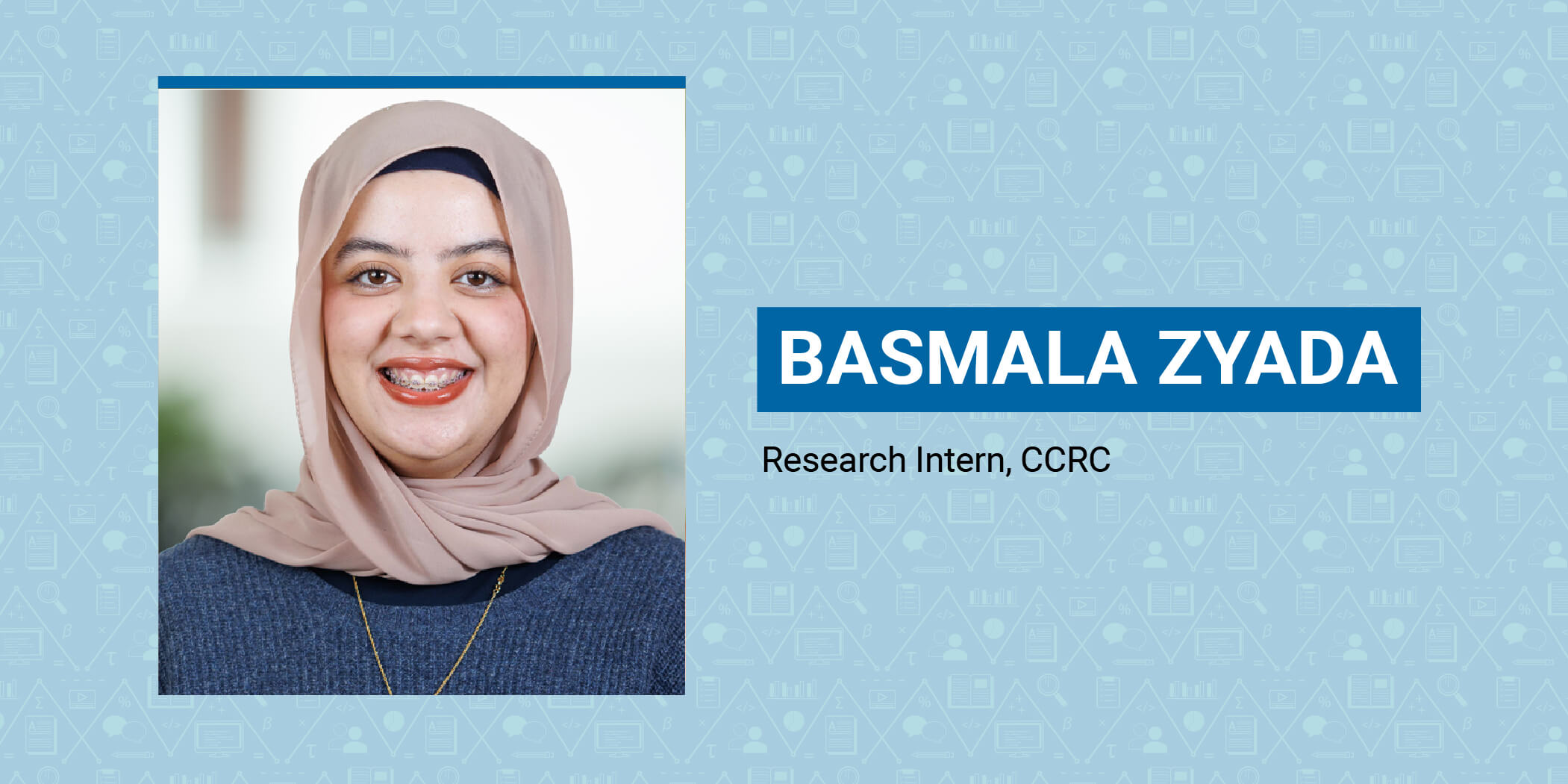
Basmala Zyada is joining CCRC this summer as a research intern. In this Q&A, Zyada shares her journey in the humanities, her creative writing endeavors, and her experiences navigating the world of educational research.
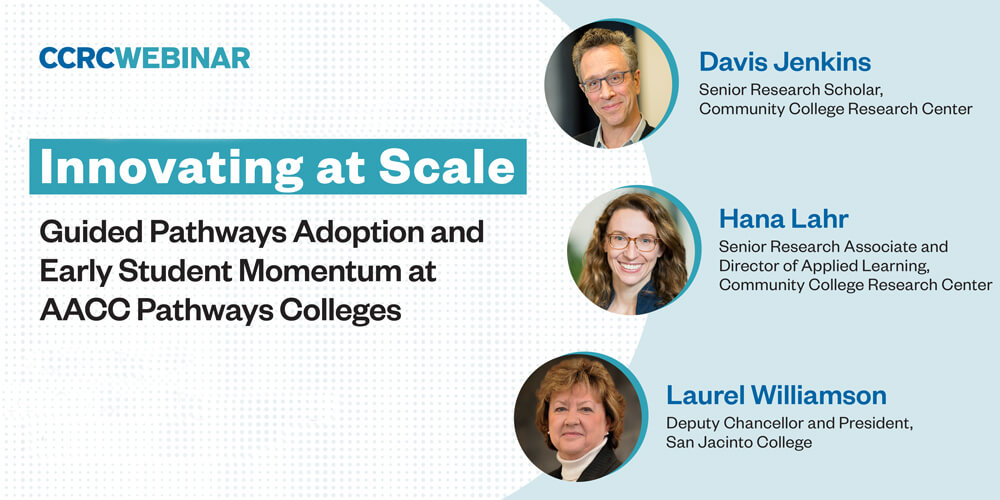
In a recent webinar, Hana Lahr and Davis Jenkins of CCRC and Laurel Williamson of San Jacinto College shared recommendations and highlighted key practices for implementing guided pathways at scale.
Kirkwood Community College's director of guided pathways reflects on the College's reforms and how their efforts have evolved since CCRC's Guided Pathways Summer Institute.
Jim Jacobs, CCRC’s former associate director and member of the CCRC Advisory Board, has contributed to several CCRC projects on workforce education, bringing expertise he developed working on industrial development and adult education programs at Macomb Community College. As Jacobs enters retirement, CCRC reflects on his career and contributions to the field.
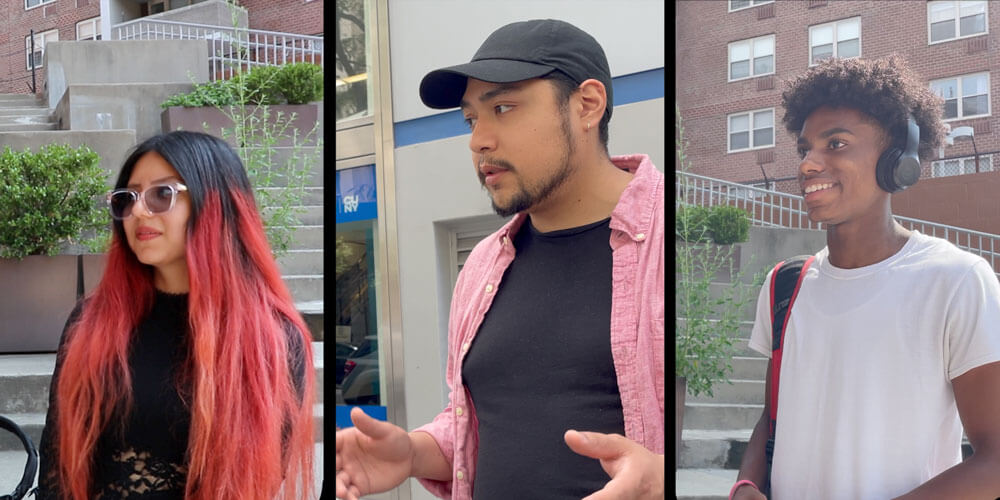
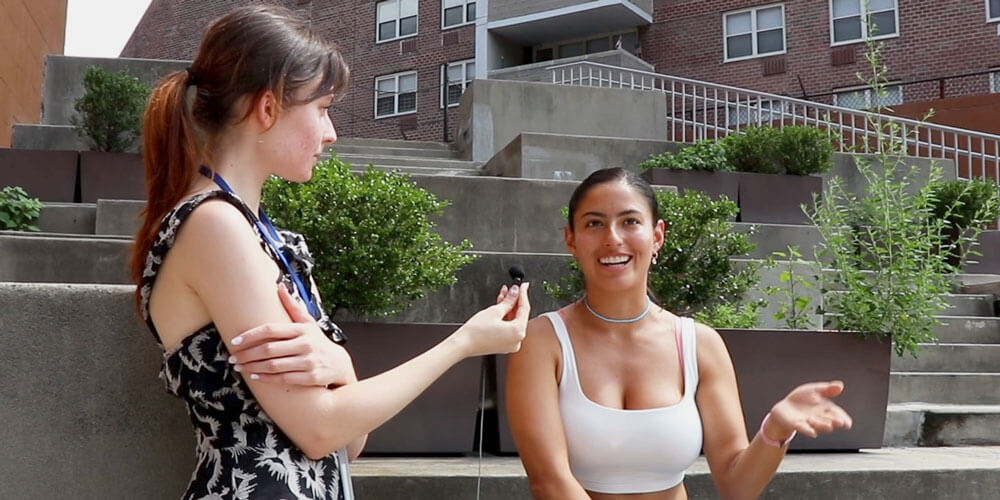
Although there has been a movement to simplify the FAFSA application, challenges still remain. Emily Perez interviews three CUNY students on their experiences applying for financial aid and reflects on her own experiences filling out the FAFSA application.
In fall 2022, City University of New York (CUNY) moved away from a traditional remedial course model for math and English and instead embraced the corequisite approach, which allows students to enroll in college-level courses with built-in support for the students who need it. Klaudia Wiacek investigates how CUNY students and staff feel about the major reform nearly one year after its implementation.
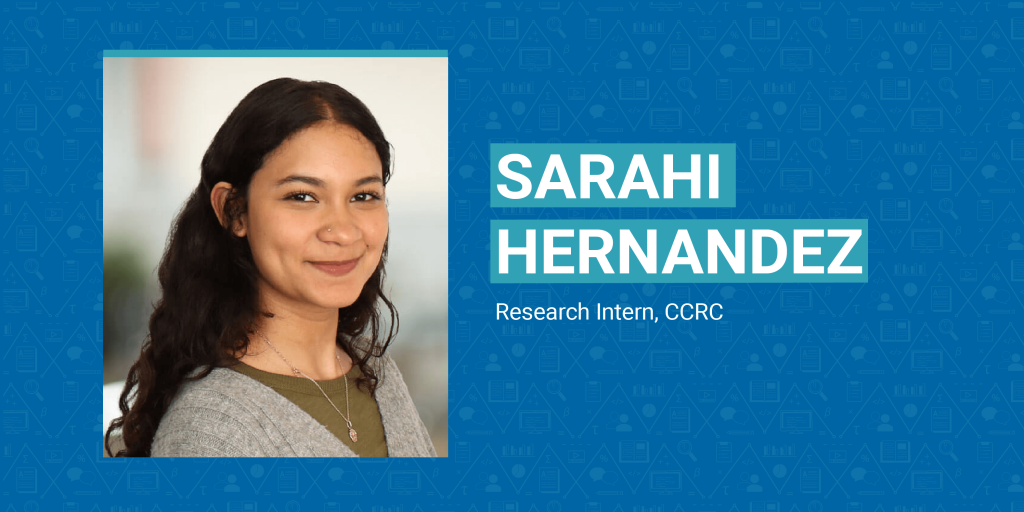
Sarahi Hernandez is an interning research assistant investigating multiple measures assessment as an alternative to standardized testing for placement in developmental courses. In this Q&A, Hernandez explains her interest in higher education research and how she came to CCRC.
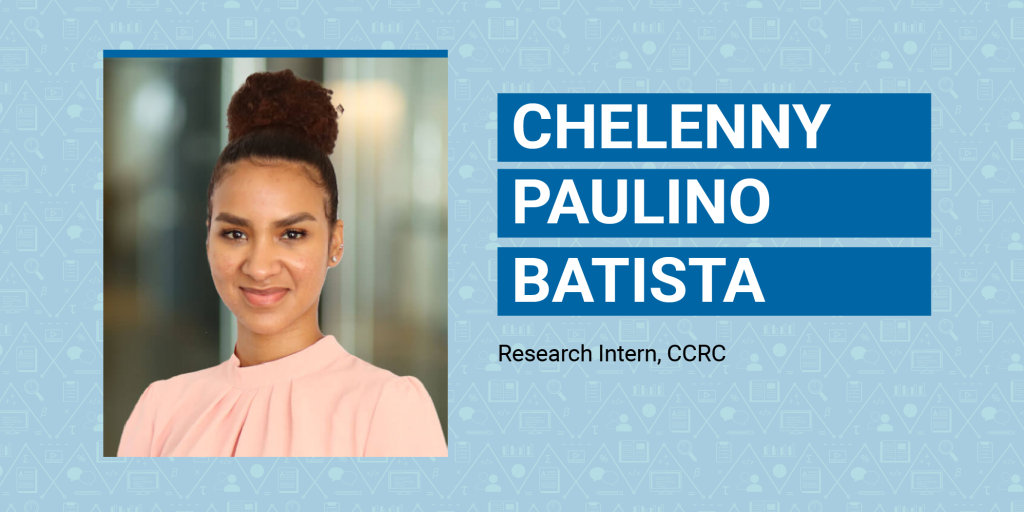
Chelenny Paulino Batista is interning at CCRC as a research assistant, participating in a study aimed at understanding the support networks of first-generation students in California colleges. In this Q&A, find out more about how research fits into Paulino Batista's career plans and how she has been contributing to her team’s work.
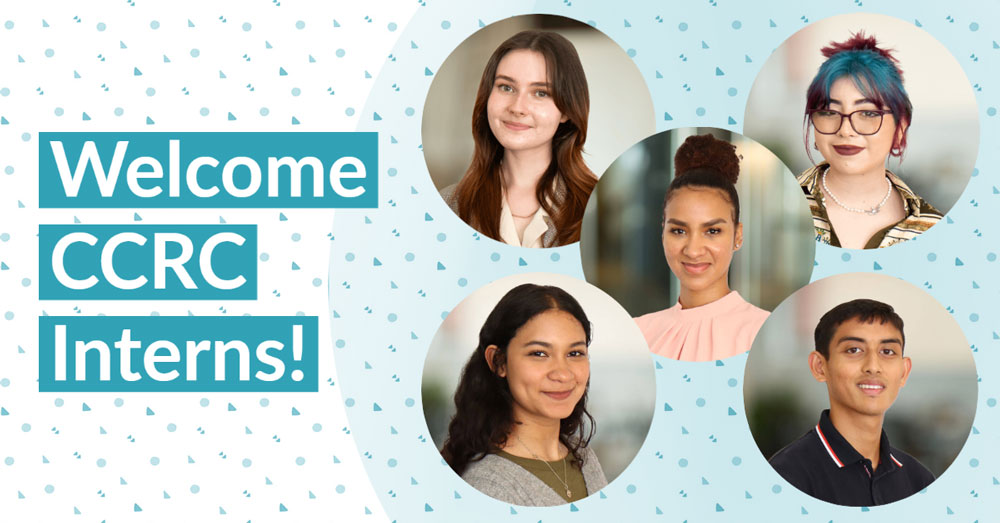
This summer, the research and communications teams at CCRC are joined by five undergraduate interns. With backgrounds ranging from research and psychology to journalism and the humanities, this summer’s cohort brings fresh perspectives and energy to CCRC.
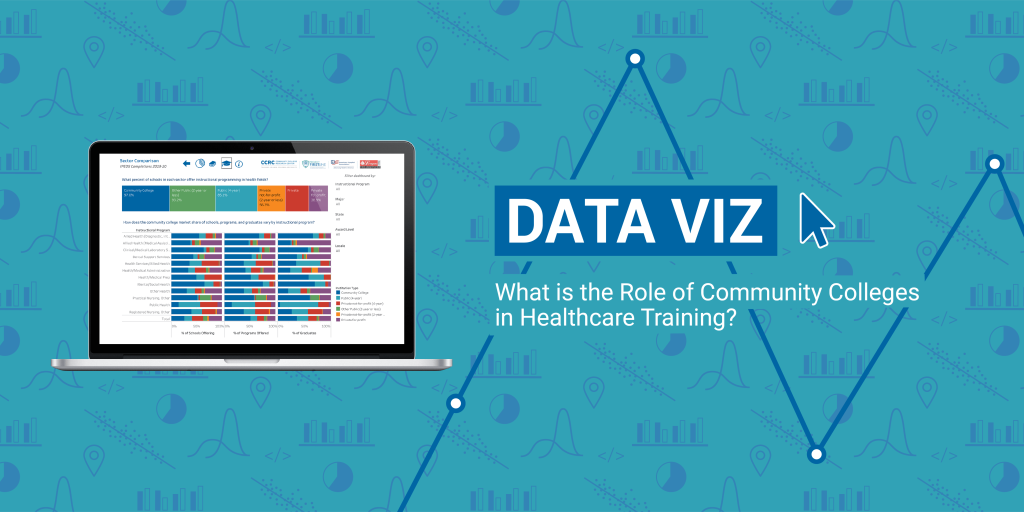
To better understand the role that community colleges play in training healthcare workers, CCRC analyzed data from the U.S. Department of Education’s Integrated Postsecondary Education Data System (IPEDS) to describe the availability of health-related programs—including nursing, allied health, and public health—and the number and characteristics of students who completed credentials in those programs. Maria Cormier breaks down what the data suggests about community college healthcare programs.
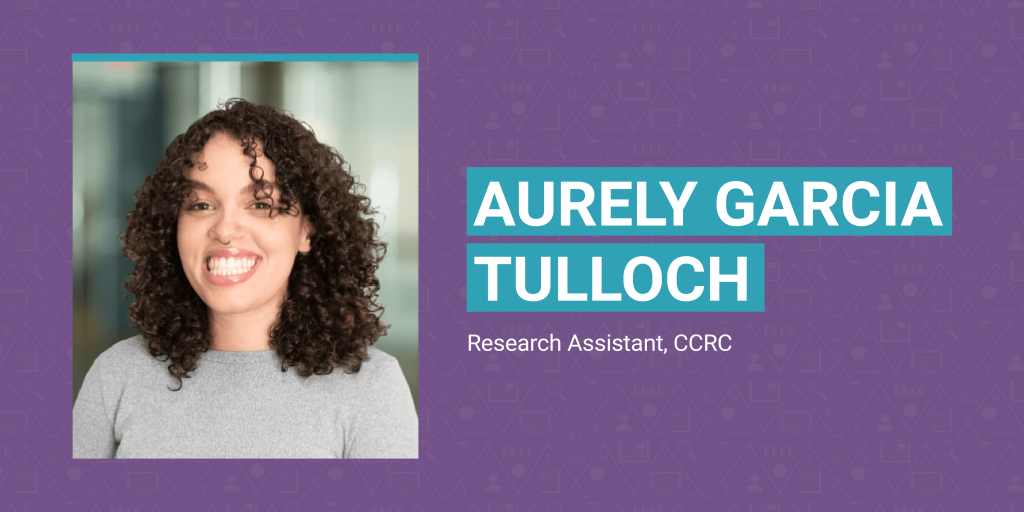
Aurely Garcia Tulloch reflects on how family, her passion for higher education, and her own experiences as a former dual enrollment student led her to her current research, which centers students and the dual enrollment experience.
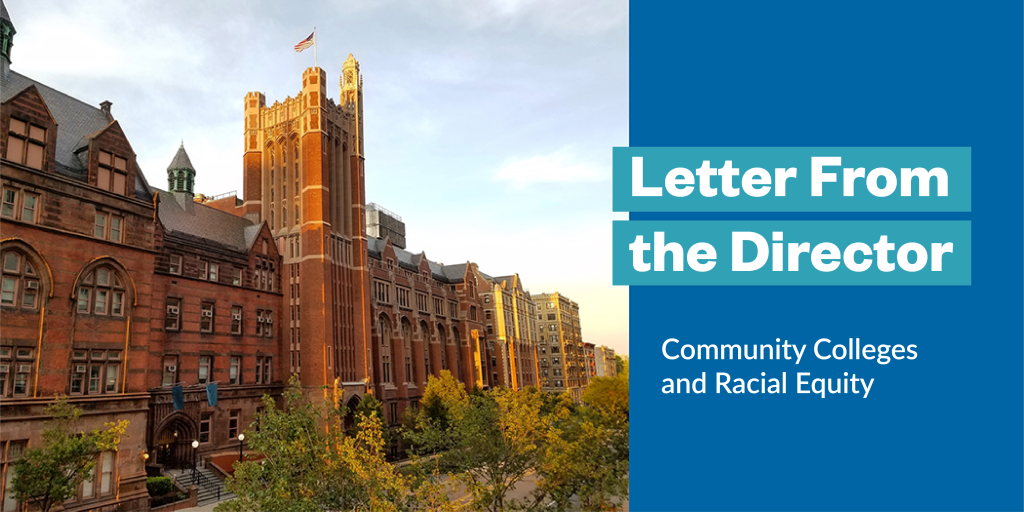
CCRC Director Thomas Brock responds to the Supreme Court's decision to strike down race-conscious admissions practices and advocates for open-access institutions as a tool to increase racial equity.
Dual enrollment students, or "stealth transfer students," and their pathway are becoming increasingly hard to ignore. Aurely Garcia Tulloch explains the issues this raises for both two- and four-year institutions and how the transfer pathway could be better leveraged for increasing college access and equity in a new blog post originally published by Inside Higher Ed.
What do students consider important for creating a sense of welcome and belonging at college? Susan Bickerstaff, Selena Cho, Elisabeth A. Barnett, and Andrea Lopez Salazar spoke with students and found that relatively simple actions by faculty and staff can make a big difference.
As dual enrollment participation has expanded, so too have the types of programs and courses offered. Lauren Schudde and Wonsun Ryu discuss how differences in course set up have the potential to shape students’ dual enrollment experiences and overall course performance, as well as their subsequent college enrollment decisions.
Chet Jordan of Greenfield Community College explores the College's guided pathways reforms and discusses how they have evolved since CCRC's Guided Pathways Summer Institute.
Search the CCRC blog
Explore trends in community college outcomes with our interactive data visualizations.