A new study suggests that the work to reduce equity gaps in higher education doesn't end when students earn their diploma—rather, the transition to the workforce is just as critical for closing equity gaps between higher- and lower-income students.
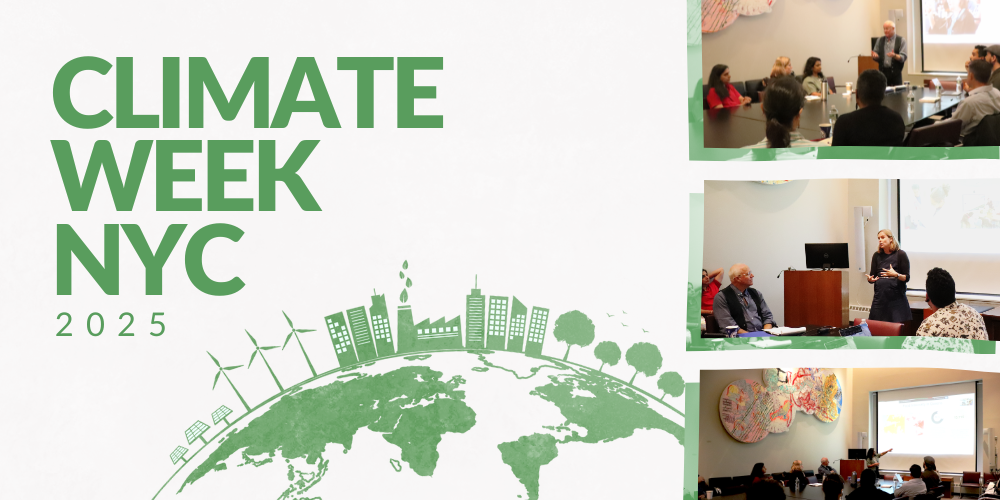
At a Climate Week NYC event, speakers from community colleges and environmental groups explored how community college program offerings are essential to transforming the future of our infrastructure, energy, and agricultural systems.
As CCRC's research on corequisites continues, researchers find that students are voicing similar experiences across colleges. In this blog post, CCRC researchers share common student perspectives and suggestions on how to better support corequisite students.
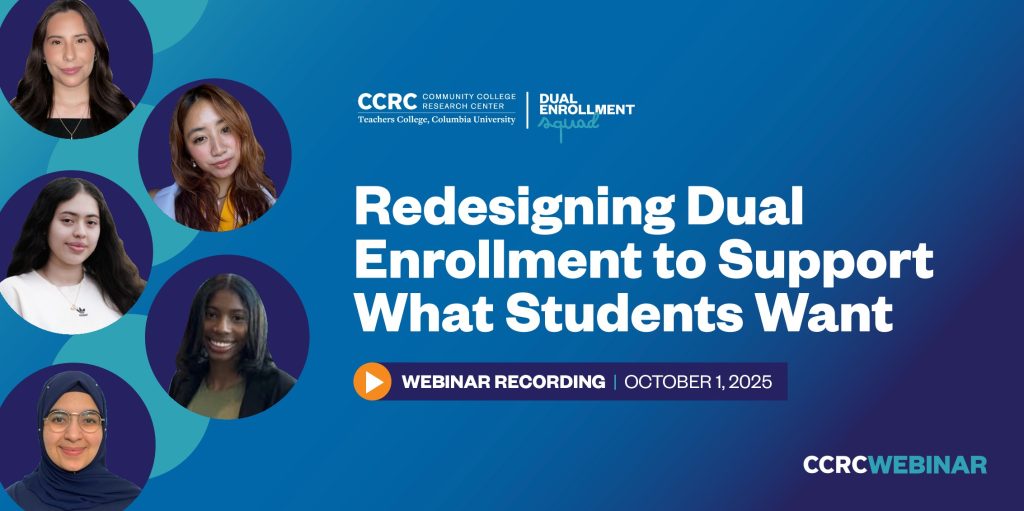
Dual enrollment is growing across the nation, yet students rarely get the chance to share their perspectives on program design. An October webinar featured former and current dual enrollment students who discussed ways colleges can support their dual enrollees.
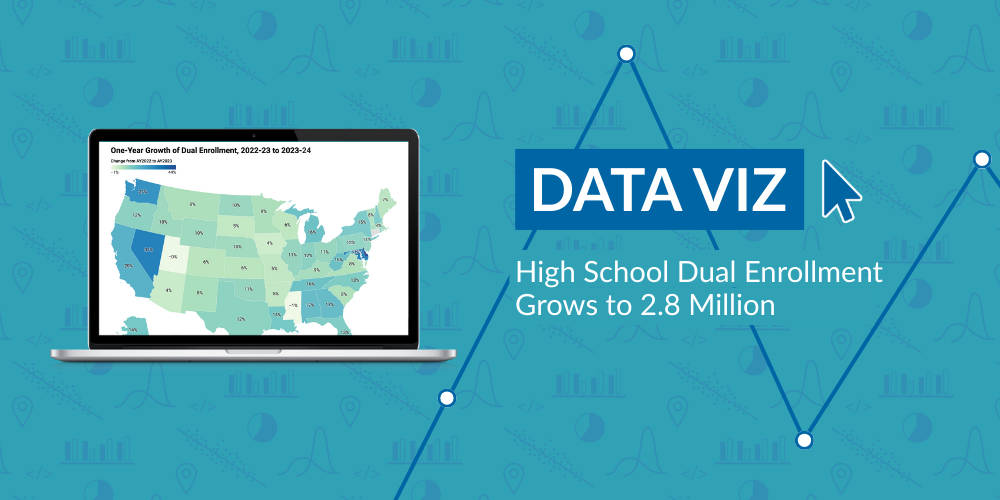
New data show dual enrollment has expanded across the country. CCRC's John Fink shares key takeaways from updated 2023-24 IPEDS data in this blog post.
Learn about a new data tool that shows the demand for workers in high-opportunity occupations that are being impacted by efforts to improve sustainability and efficiency, and the role community colleges play in preparing students for these jobs in this blog post.
By putting research into practice, The Alamo Colleges District in Texas made dual credit both accessible and meaningful for more students. Learn how college and high school leaders worked together to make it happen in this blog post.
Dual enrollment provides an opportunity to potentially reduce the time and cost of earning a bachelor’s degree. But what happens when the path after high school isn’t so clear? CCRC's Aurely Garcia Tulloch and Akilah H. Thompson share their experiences as former dual enrollment students and discuss ways to support dual enrollment students attempting to transfer their credits.
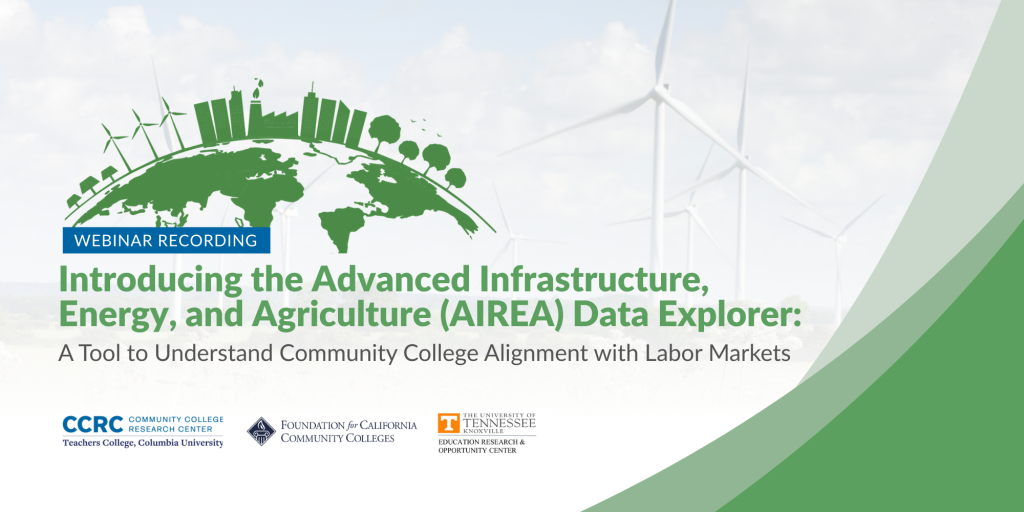
A recent CCRC webinar explored how community colleges can meet the growing workforce demands of evolving advanced infrastructure, energy, and agriculture industries. A recording of the webinar is available in this blog post.
Community colleges are often more accessible than four-year universities in terms of costs and schedule flexibility, but accessibility alone isn’t enough. Summer intern Helen Kim writes about her community college experience and how colleges can design courses that work with students' busy lives.
More community colleges are incorporating themes of sustainability into their general education courses. Learn how an environmental biology course at Mesa Community College in Arizona is incorporating themes of climate action to encourage students to engage with complex, real-world issues in this blog post.
Researchers explore new students’ decision-making process around programs and careers through a study conducted in partnership with four community colleges in California, Maryland, Ohio, and Texas.
CCRC intern Melissa Cruz Duque examines two CUNY pathways for English learners: the intensive English Language Immersion Program (CLIP) and traditional academic ESL courses.
How does dance education function in the community college setting? Dance instructor Heather Dougherty shares what she learned from surveying dance instructors at community colleges across the country.
Community college faculty are finding creative ways to infuse climate literacy into students' required courses. In this blog post, Achieving the Dream's Bret Eynon explores how instructors are addressing climate topics in their classrooms.
Search the CCRC blog
Explore trends in community college outcomes with our interactive data visualizations.