A new study suggests that the work to reduce equity gaps in higher education doesn't end when students earn their diploma—rather, the transition to the workforce is just as critical for closing equity gaps between higher- and lower-income students.
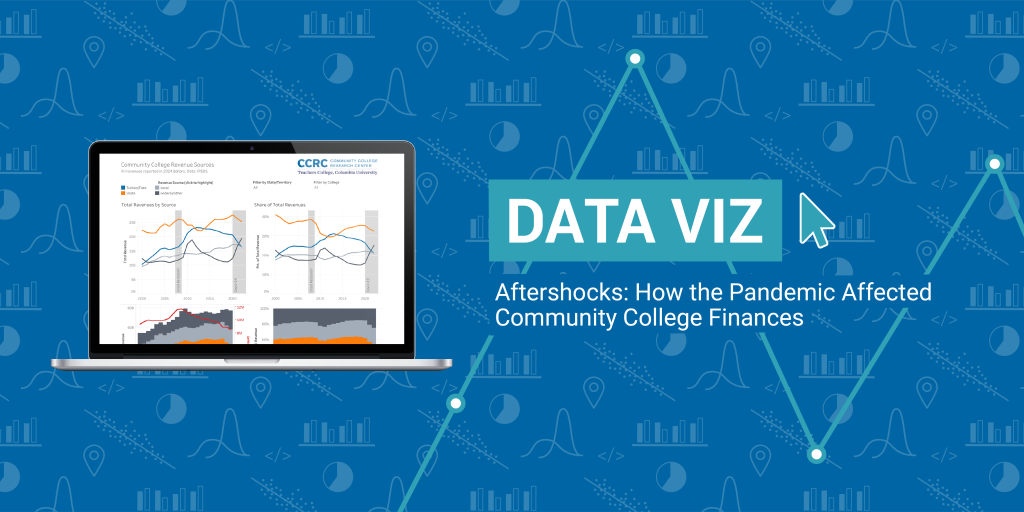
Using newly released institutional data from IPEDS, this blog post details how community college revenues have changed now that pandemic-related Higher Education Emergency Relief funds have ended.
In this blog post, summer intern Deenika Oladipo writes about the rollout of the simplified FAFSA form, how it was received by students and administrators, and what students can expect this year when filing for FAFSA.
By Clive Belfield, Thomas Brock, John Fink, and Davis Jenkins For the community college sector, the COVID-19 pandemic was not like other economic shocks. Traditionally, economic downturns lead students to enroll in college at higher rates: Fiscal shocks are therefore offset by increases in tuition revenue, and college operations and institutional
By John Fink, Tatiana Velasco, and Davis Jenkins Last week, the U.S. Department of Education (ED) released—for the first time ever—public transfer community college student outcomes data for colleges and universities across the country. ED’s analysis examined federal financial aid recipients who started higher education at a community college
Although the rise in online coursetaking has benefits in terms of convenience and flexibility for students, it is not without challenges. Two new reports offer insights into approaches that can help colleges support students in online courses, particularly STEM courses.
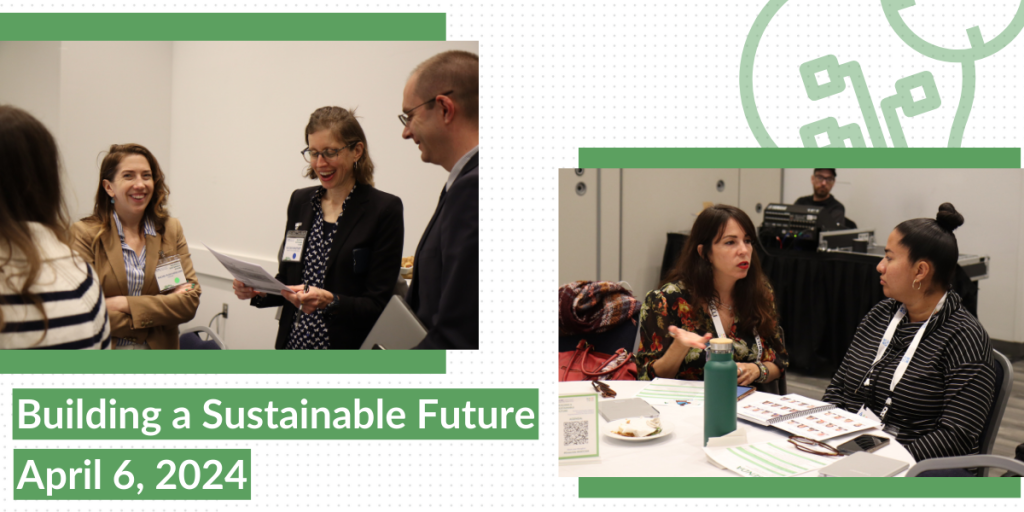
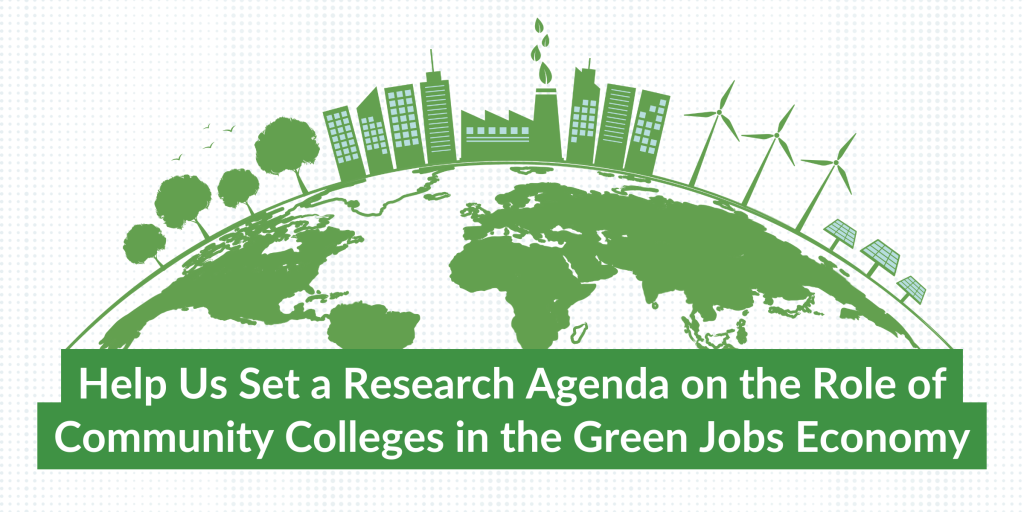
In April, CCRC hosted an all-day meeting in Louisville, KY focused on understanding the ways community colleges can contribute to the green energy transition with the goal of developing a research agenda around community colleges and climate change.
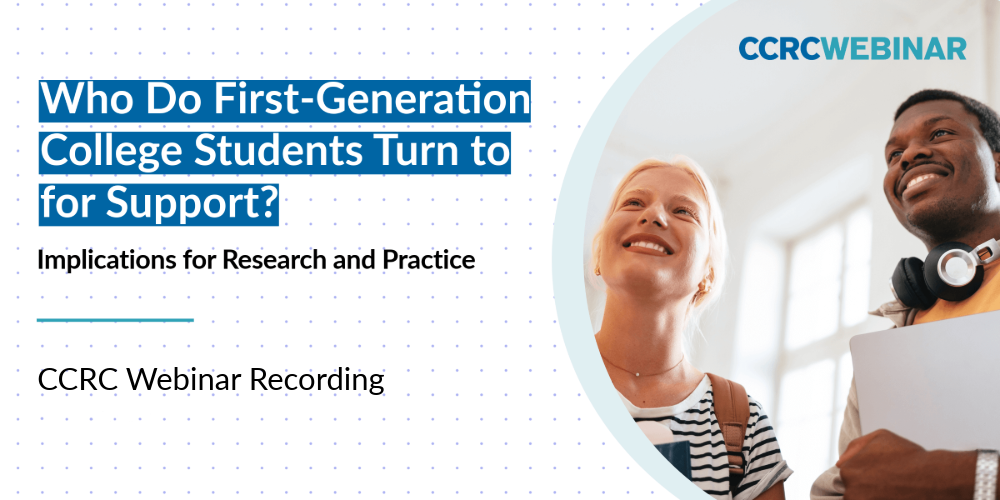
In an April webinar, CCRC researchers discussed their findings from a study of the support networks of first-generation students in California and who they turn to for help. A recording of the webinar is available within this blog post.
Because whole-college reform is hard to evaluate, no prior major study has examined how successfully colleges have adopted guided pathways or what its effects have been on students. Now, two recent studies from CCRC are providing an unprecedented look at guided pathways reforms at approximately 100 colleges.
For university faculty, disciplinary societies provide support throughout their careers—stimulating new ideas and fostering collaborations. How can these supports be more accessible to faculty teaching in community colleges? A new report summarizes the outcomes of a 2023 workshop that created action plans for increased collaboration and engagement.
By Clive Belfield, Thomas Brock, John Fink, and Davis Jenkins For the community college sector, the COVID-19 pandemic was not like other economic shocks. Traditionally, economic downturns lead students to enroll in college at higher rates: Fiscal shocks are therefore offset by increases in tuition revenue, and college operations and institutional
In April, CCRC will host a half-day symposium to elevate the role community colleges play in addressing climate change and highlight the needs and opportunities for public and private sector coordination in order to help community colleges fulfill their promise in preparing students for the green economy.
Ohio waived testing-based eligibility requirements for some dual enrollment students by introducing the Innovative Program (IP) policy in 2017. A new CCRC working paper examines how the state policy was implemented and whether it resulted in expanded access and improved outcomes for Black and Hispanic students.
In a new report, CCRC and CHSA provide state leaders with recommendations for improving dual enrollment programming in ways that support practitioners’ efforts. The recommendations are organized into three areas: expanding access, strengthening on-ramps to postsecondary pathways, and building and sustaining strong partnerships.
After several publications, presentations, and webinars, we find ourselves at the close of 2023. Before we ring in the new year, here’s a look at some of this year’s highlights and the work our colleagues have done to increase access and equity in higher education.
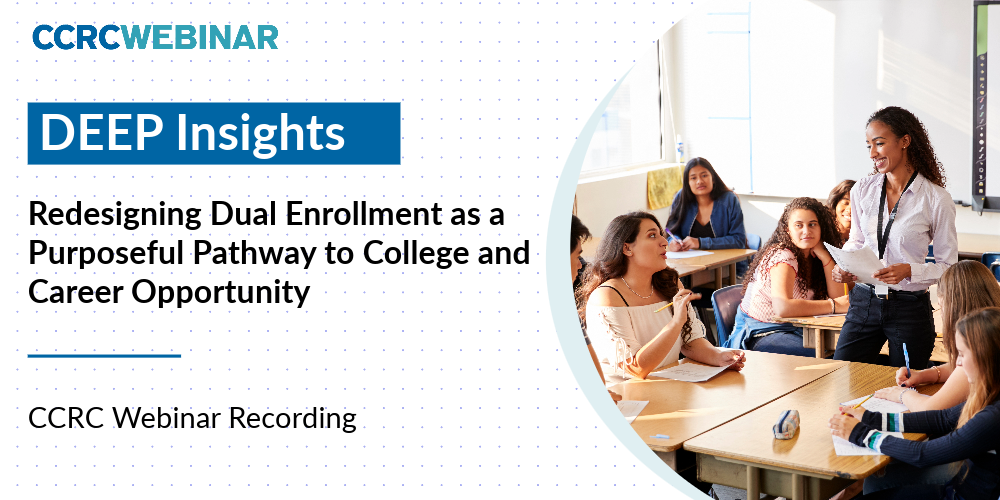
In a recent webinar, CCRC researchers explained a new approach to dual enrollment called Dual Enrollment Equity Pathways, or DEEP. Educators from college and school-district partnerships shared their insights about how it works on the ground.
By John Fink, Tatiana Velasco, and Davis Jenkins Last week, the U.S. Department of Education (ED) released—for the first time ever—public transfer community college student outcomes data for colleges and universities across the country. ED’s analysis examined federal financial aid recipients who started higher education at a community college
In celebration of first-generation students, Hoori Kalamkarian and Melissa Herman share findings from a recent CCRC-led study on first-generation college students’ support networks and how those relationships shape their college journeys.
Search the CCRC blog
Explore trends in community college outcomes with our interactive data visualizations.