By John Fink, Tatiana Velasco, and Davis Jenkins Last week, the U.S. Department of Education (ED) released—for the first time ever—public transfer community college student outcomes data for colleges and universities across the country. ED’s analysis examined federal financial aid recipients who started higher education at a community college
In celebration of first-generation students, Hoori Kalamkarian and Melissa Herman share findings from a recent CCRC-led study on first-generation college students’ support networks and how those relationships shape their college journeys.
Kirkwood Community College's director of guided pathways reflects on the College's reforms and how their efforts have evolved since CCRC's Guided Pathways Summer Institute.
Jim Jacobs, CCRC’s former associate director and member of the CCRC Advisory Board, has contributed to several CCRC projects on workforce education, bringing expertise he developed working on industrial development and adult education programs at Macomb Community College. As Jacobs enters retirement, CCRC reflects on his career and contributions to the field.
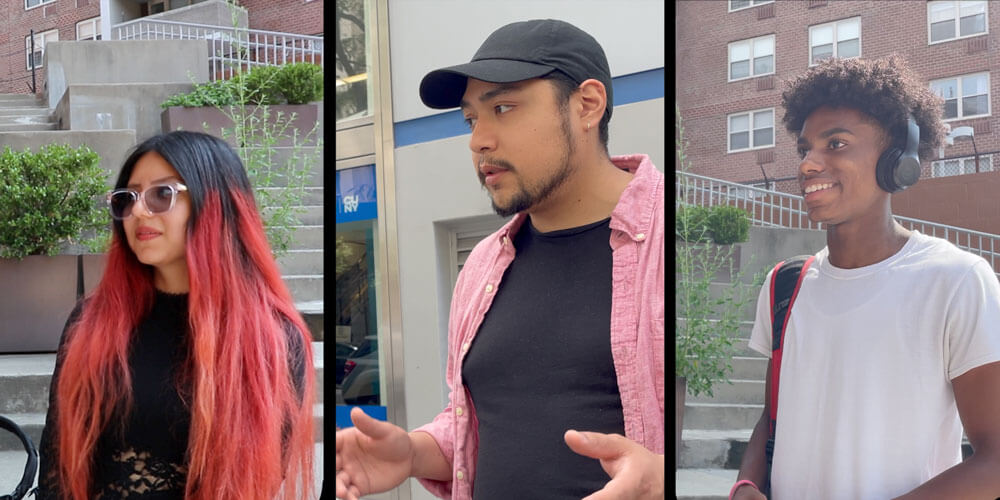
Although there has been a movement to simplify the FAFSA application, challenges still remain. Emily Perez interviews three CUNY students on their experiences applying for financial aid and reflects on her own experiences filling out the FAFSA application.