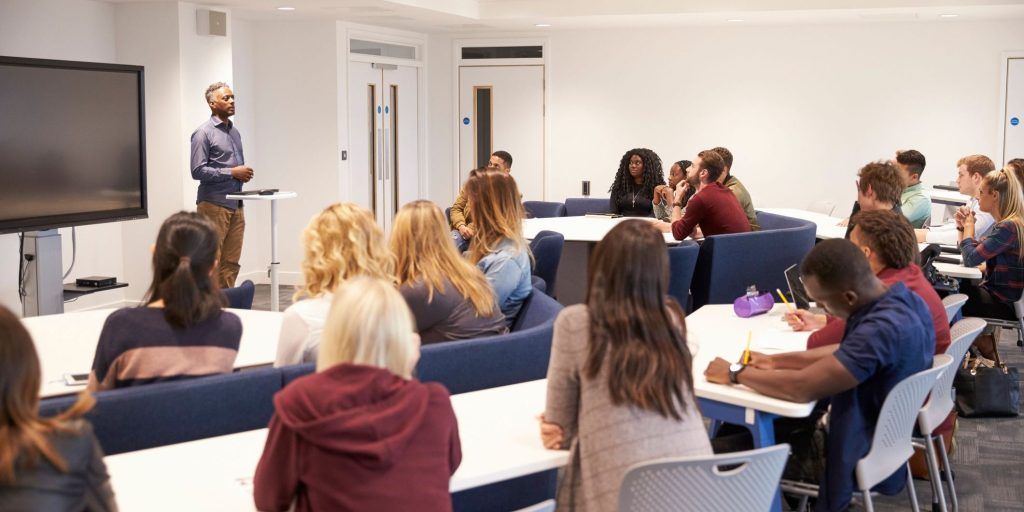
This blog discusses the constraints some students have on their time and energy resources and how colleges can rethink their culture, policies, and practices to take time and energy resource inequities into account.
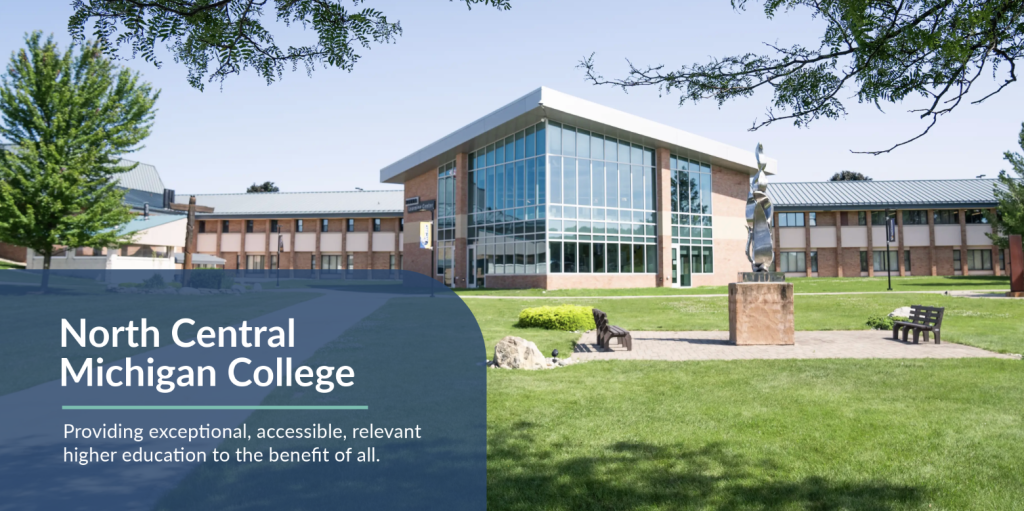
North Central Michigan College was one of the 265 colleges in six states surveyed by the ARCC Network to understand how federal pandemic-recovery funding supported community colleges and their students. In this Q&A, North Central leaders answered questions about their experience during the pandemic and what comes next.
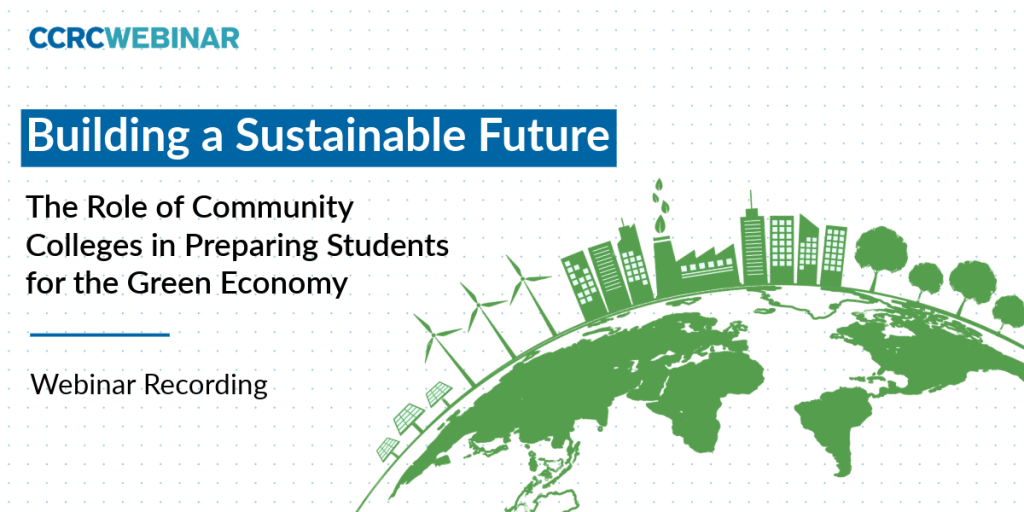
An August webinar focused on the role community colleges can play in preparing for the significant workforce transitions that are occurring as colleges, governments, and industries work to limit, adapt to, and mitigate the effects of climate change. A recording of the webinar is available within this blog post.
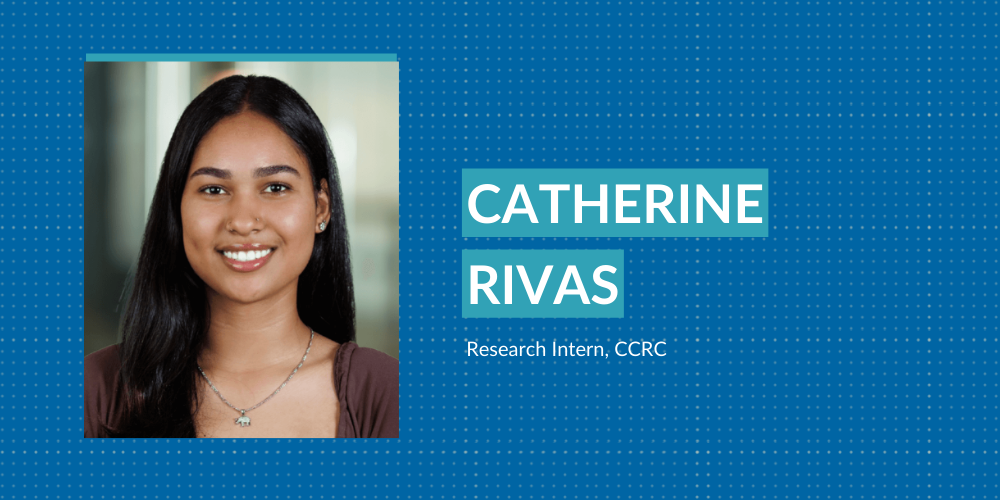
Catherine Rivas is joining CCRC this summer as a research intern. In this Q&A, Rivas delves deeper into her own college experience and her motivations for research.
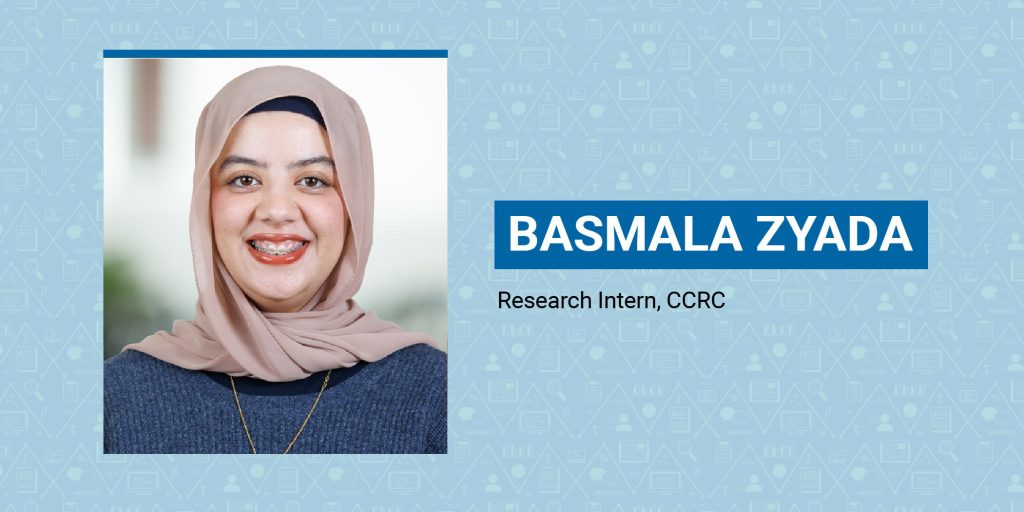
Basmala Zyada is joining CCRC this summer as a research intern. In this Q&A, Zyada shares her journey in the humanities, her creative writing endeavors, and her experiences navigating the world of educational research.
Studies have shown that seeking help from counselors and advisors and informal sources such as family and friends leads to improved student learning and increased self-efficacy, but too few students actually reach out. Amanda Zerbib explores what research tells us about students' help-seeking habits.
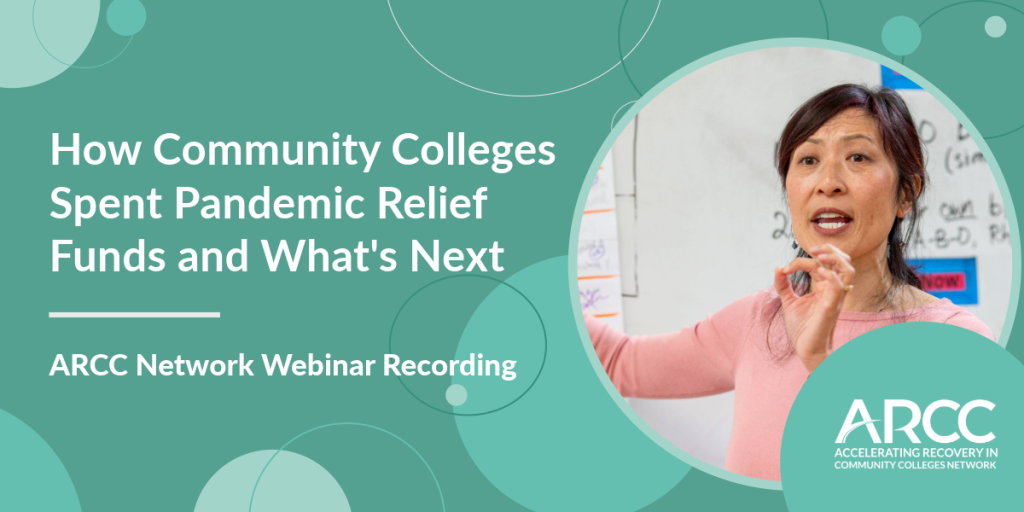
In a June 26, 2024 webinar, researchers from the Community College Research Center and the Public Policy Institute of California discussed the findings and policy implications from two reports on how community colleges spent pandemic relief funds. A recording of the webinar is available in this blog post.
The summer season for CCRC is now underway, and six undergraduate interns are bringing new ideas to the center as they support research and communications teams. Learn more about the interns in this blog post.
In this podcast, WestEd's Jenna Terrell and CCRC's Maria Cormier discuss how the community colleges they are studying as part of the ARCC Network are developing programs and supports to serve their workforce students as they emerge from the COVID pandemic.
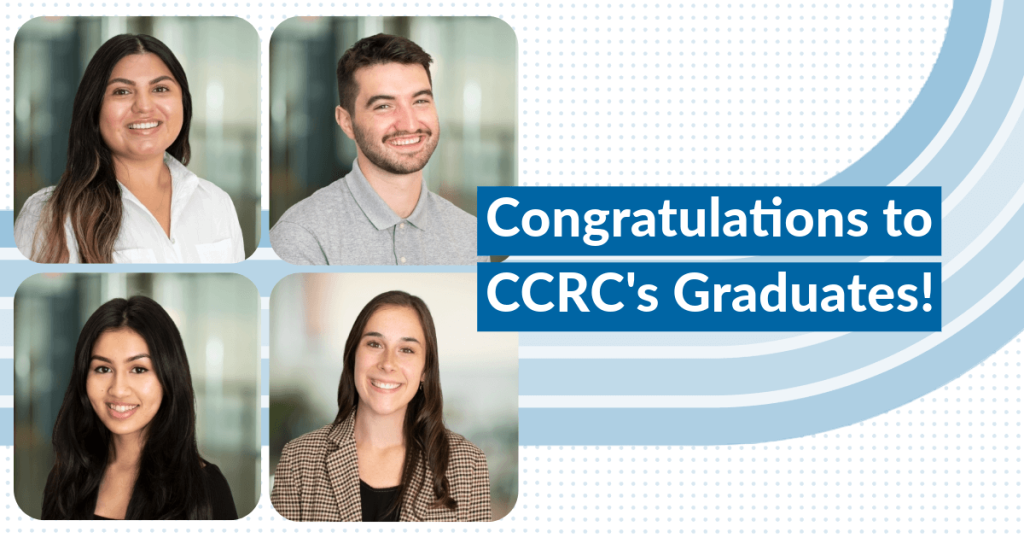
Each commencement season gives us at CCRC a chance to recognize the accomplishments of graduating staff members. This year, we are pleased to celebrate four researchers who have earned their advanced degrees: Jenivee Gastelum, Joe Hille, Farzana Matin, and Hanna Nichols.
Researchers at CCRC are examining two workforce programs in Virginia to better understand how well these state-funded economic development investments leverage each other and how they can generate more equitable college attainment and labor market outcomes for individuals and communities.
Although the rise in online coursetaking has benefits in terms of convenience and flexibility for students, it is not without challenges. Two new reports offer insights into approaches that can help colleges support students in online courses, particularly STEM courses.
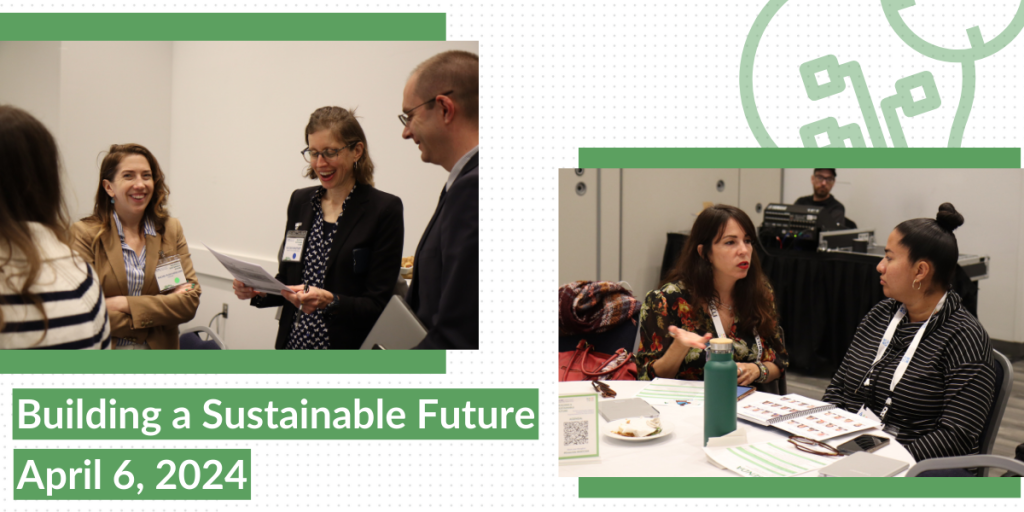
In April, CCRC hosted an all-day meeting in Louisville, KY focused on understanding the ways community colleges can contribute to the green energy transition with the goal of developing a research agenda around community colleges and climate change.
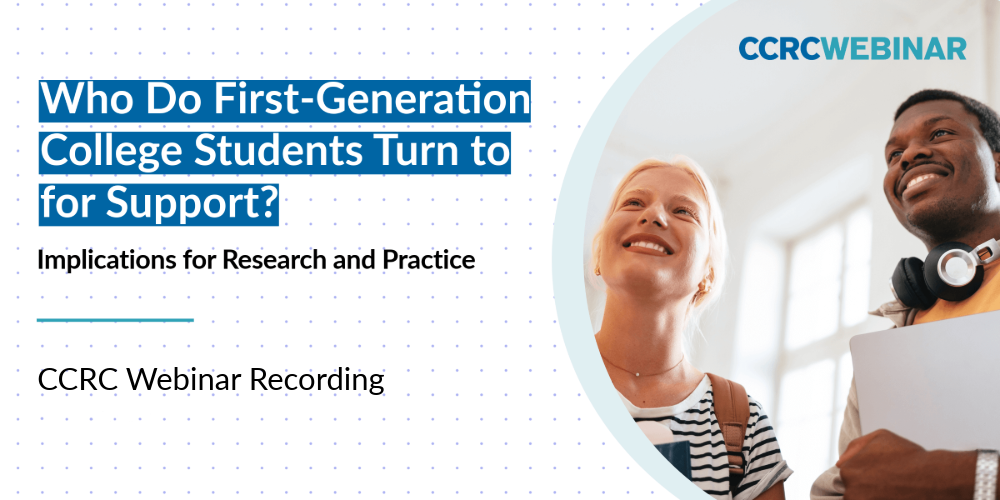
In an April webinar, CCRC researchers discussed their findings from a study of the support networks of first-generation students in California and who they turn to for help. A recording of the webinar is available within this blog post.
Search the CCRC blog
Explore trends in community college outcomes with our interactive data visualizations.