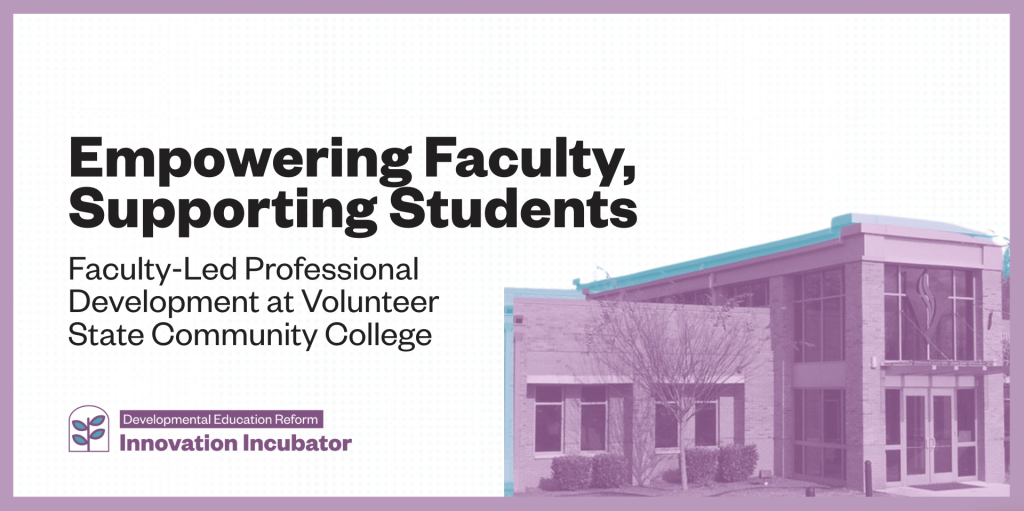
At Volunteer State Community College in Tennessee, a professional development program designed to help faculty understand the needs and strengths of students taking corequisite courses is central to the college's approach to developmental education reform.
Each summer, interns join CCRC to learn about higher education research, communications, and related career and graduate school opportunities. Meet this year's interns!
How can states invest in forms of dual enrollment that produce the greatest returns for students, employers, and taxpayers? A new policy brief addresses how states can help more colleges and school districts adopt and sustain purposeful dual enrollment practices.
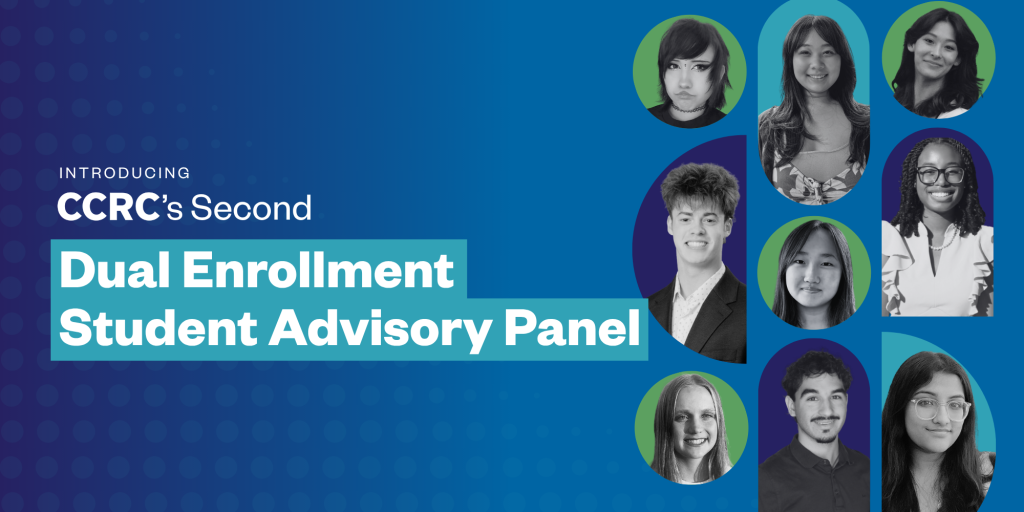
CCRC's dual enrollment team put together a student advisory group to keep their research grounded in students' perspectives. Meet the second cohort of the advisory panel, dubbed the dual enrollment squad!
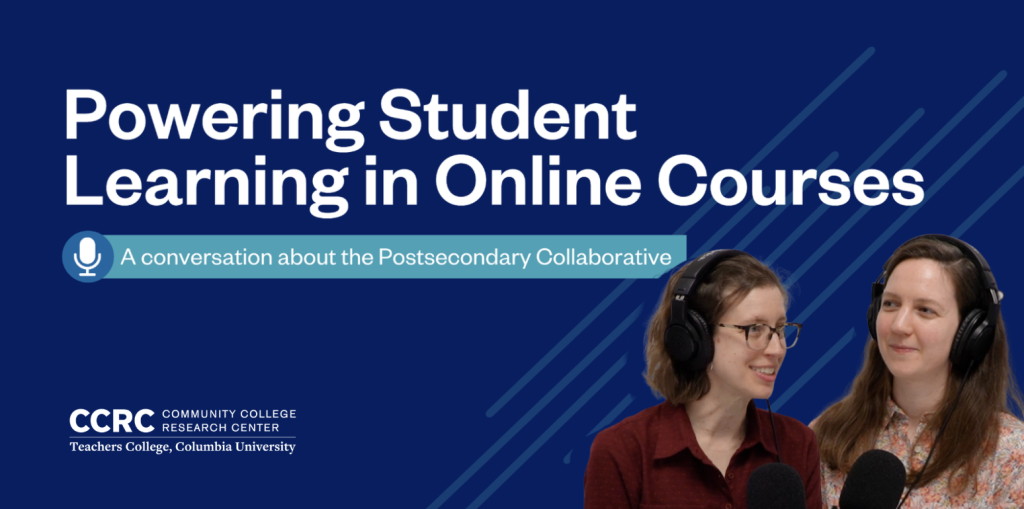
In a new video podcast, CCRC’s Susan Bickerstaff and Amy E. Brown discuss the growing need for improvements to online learning post pandemic, a set of instructional strategies designed to bolster students' self-directed learning skills in online courses, and unanswered questions about how colleges can improve online learning.
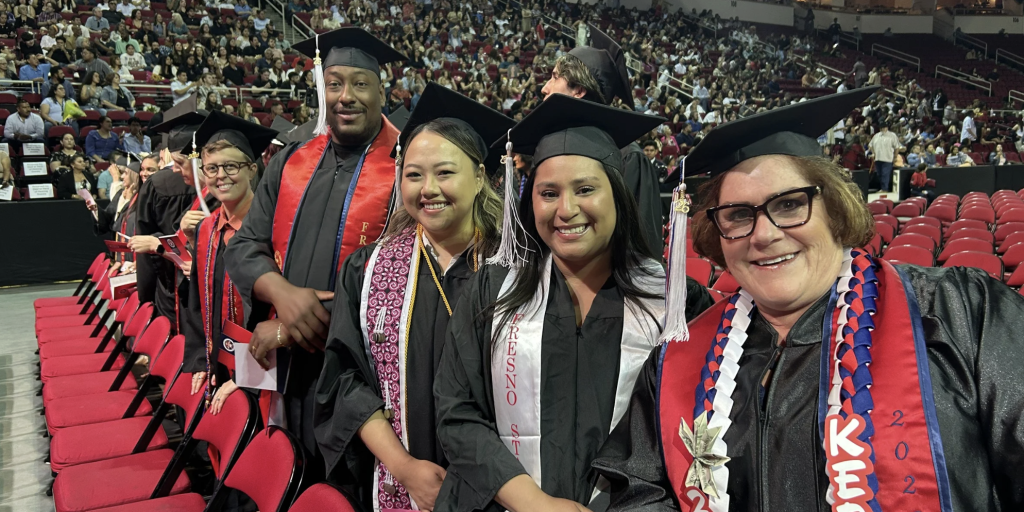
At California State University, Fresno, an online bachelor's degree completion program supports stopped-out students' return to college. English professor and program coordinator Alison Mandaville writes about the program's design, goals, and ways it supports and engages students.
Carl Lewandowski explores innovative practices happening in corequisite courses at Arkansas State University Mid-South that are aimed at keeping students engaged and feeling like they belong in the classroom and on campus.
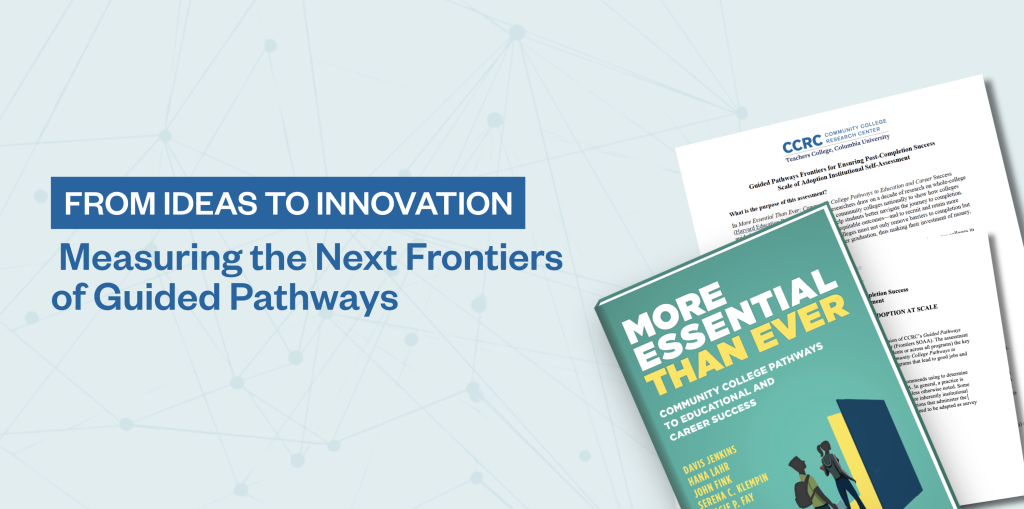
A well-designed schedule is a powerful tool to support students’ timely completion. But how do colleges build them? And what are the opportunities for improvement and innovation? CCRC is launching a national survey to learn how community colleges navigate these complexities—and we want to hear from your institution.
In the second part of a series on how Onondaga Community College transformed their developmental education course structures, English professor Malkiel Choseed describes how the college integrated corequisite support for first-year composition into one credit-bearing course that contributed to improvements in overall course outcomes for all students.
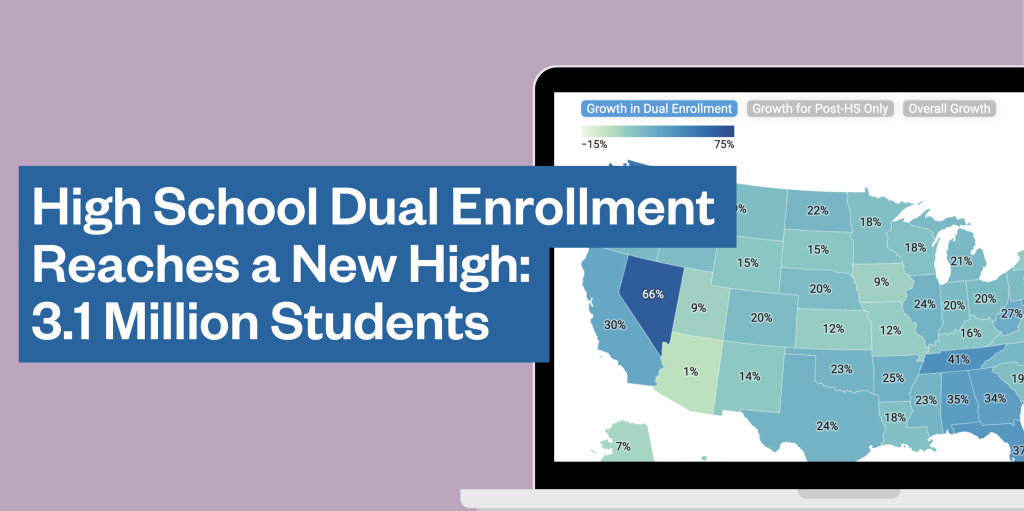
A new report introduces a set of dual enrollment momentum metrics that capture participation and academic progress of high school dual enrollment students, and assesses how reliably these metrics predict postsecondary success. In this blog post, the report authors outline their findings.
In 2025, CCRC's dual enrollment research team recruited 11 current and former dual enrollment students to establish a student advisory panel. As the students on the first panel end their tenure, this blog post highlights some of their contributions.
In March 2025, CCRC was notified by the U.S. Department of Education that four of its grants from the Institute of Education Sciences had been terminated. This spring, three of the projects were reinstated. In this blog post, Thomas Brock gives an update on the reinstated projects.
In this webinar, CCRC researchers Amy Brown and Carl Lewandowski share research findings and tools used by four community colleges involved in a year-long community of practice to identify barriers students face in corequisite classes and develop practices to address them.
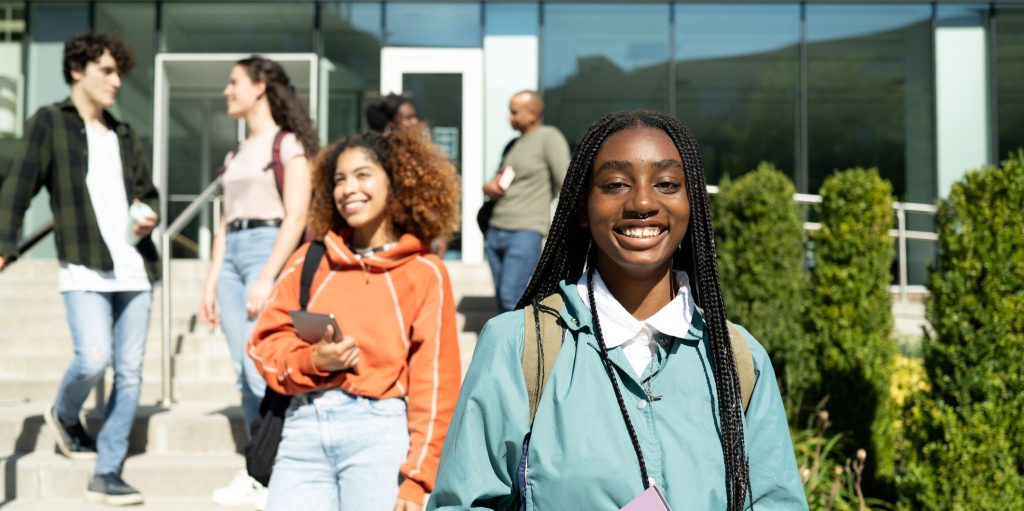
Two former dual enrollment students share how colleges and high schools can build community, a sense of belonging, and a college-going culture among dual enrollment students through clubs and student advisory panels focused on dual enrollment.