In April, CCRC will host a half-day symposium to elevate the role community colleges play in addressing climate change and highlight the needs and opportunities for public and private sector coordination in order to help community colleges fulfill their promise in preparing students for the green economy.
Jim Jacobs, CCRC’s former associate director and member of the CCRC Advisory Board, has contributed to several CCRC projects on workforce education, bringing expertise he developed working on industrial development and adult education programs at Macomb Community College. As Jacobs enters retirement, CCRC reflects on his career and contributions to the field.
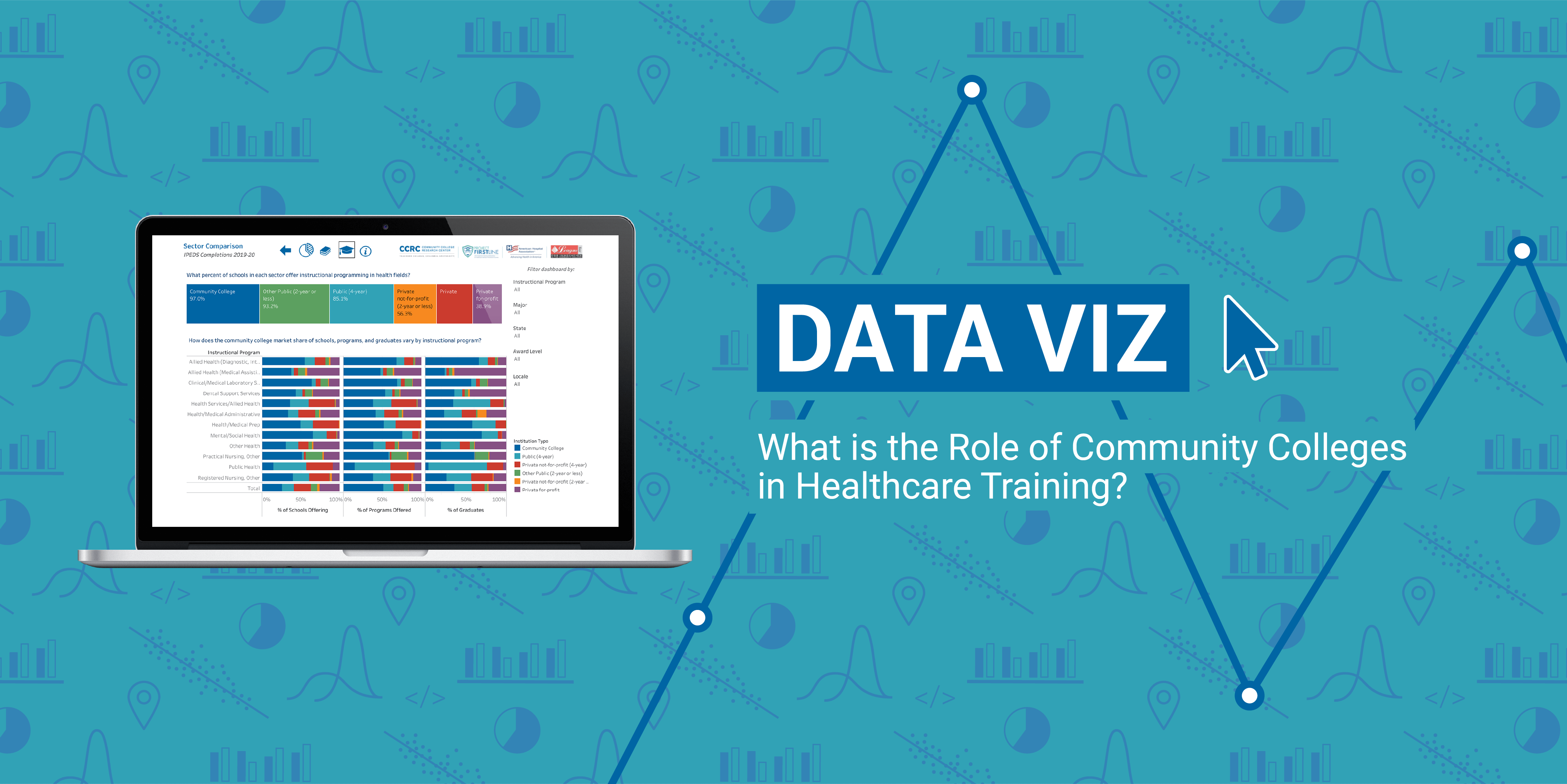
To better understand the role that community colleges play in training healthcare workers, CCRC analyzed data from the U.S. Department of Education’s Integrated Postsecondary Education Data System (IPEDS) to describe the availability of health-related programs—including nursing, allied health, and public health—and the number and characteristics of students who completed credentials in those programs. Maria Cormier breaks down what the data suggests about community college healthcare programs.
While community college practice has changed considerably in recent decades, workforce and economic development programs remain stagnant. Jim Jacobs reflects on how community colleges might update the way they work with employers to ensure equity remains a central goal of workforce programs.
In this blog post, Dean of Allied Health & Nursing Marriya Wright explains how South Puget Sound Community College's shift to admission criteria based on course grades led to huge increases in diversity and student success.