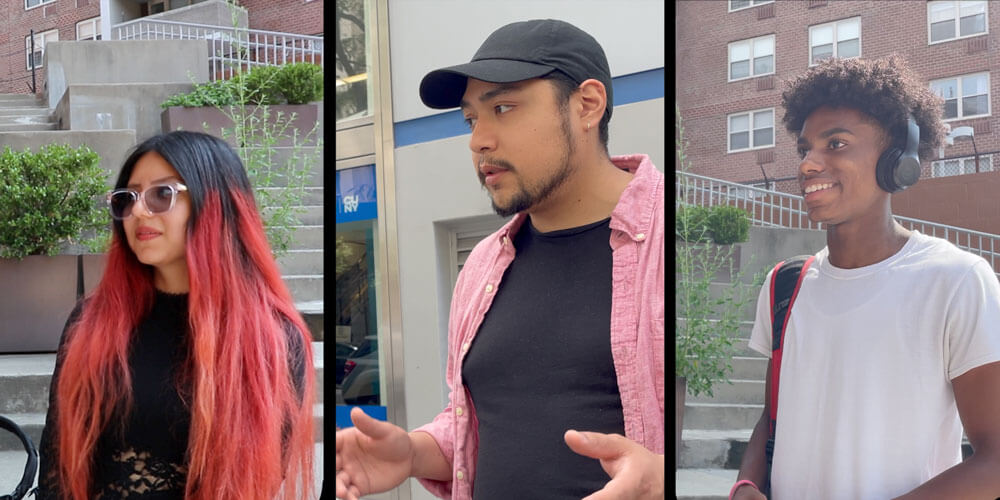
Although there has been a movement to simplify the FAFSA application, challenges still remain. Emily Perez interviews three CUNY students on their experiences applying for financial aid and reflects on her own experiences filling out the FAFSA application.
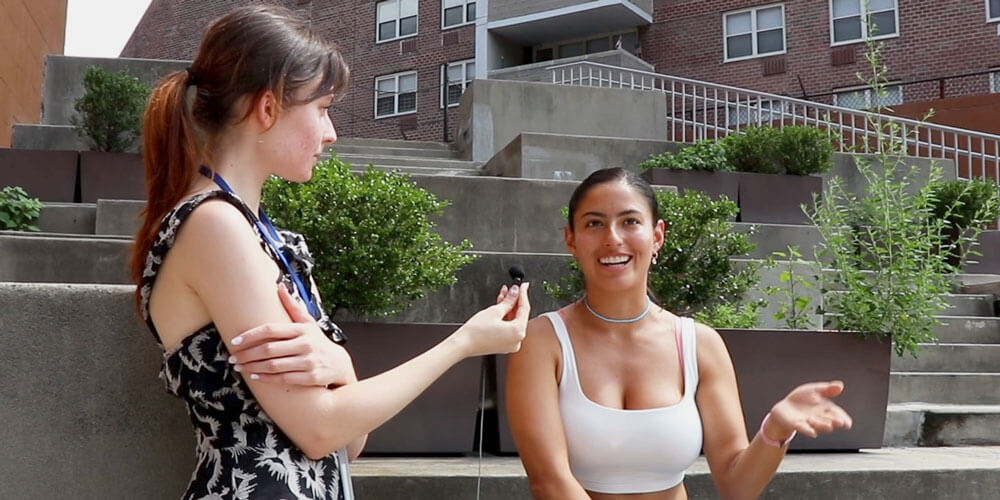
In fall 2022, City University of New York (CUNY) moved away from a traditional remedial course model for math and English and instead embraced the corequisite approach, which allows students to enroll in college-level courses with built-in support for the students who need it. Klaudia Wiacek investigates how CUNY students and staff feel about the major reform nearly one year after its implementation.
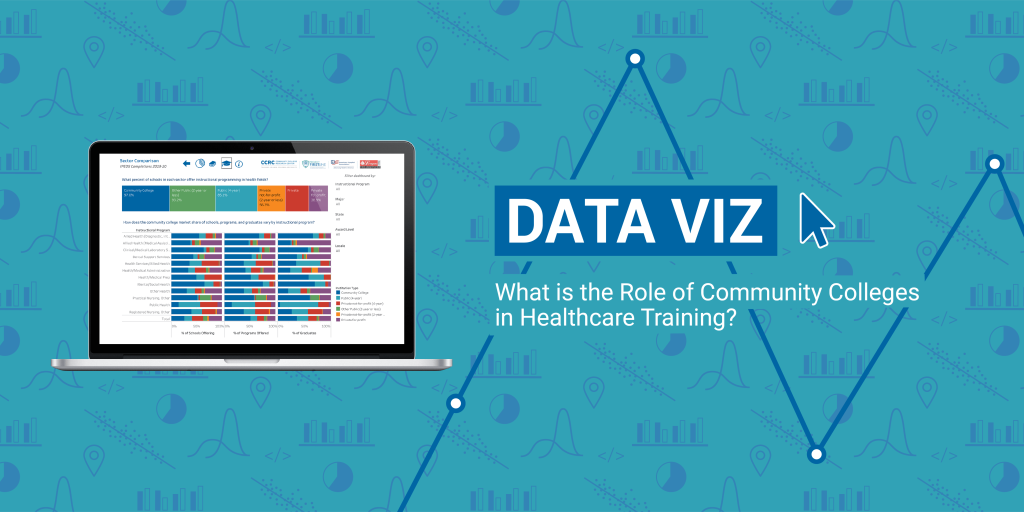
To better understand the role that community colleges play in training healthcare workers, CCRC analyzed data from the U.S. Department of Education’s Integrated Postsecondary Education Data System (IPEDS) to describe the availability of health-related programs—including nursing, allied health, and public health—and the number and characteristics of students who completed credentials in those programs. Maria Cormier breaks down what the data suggests about community college healthcare programs.
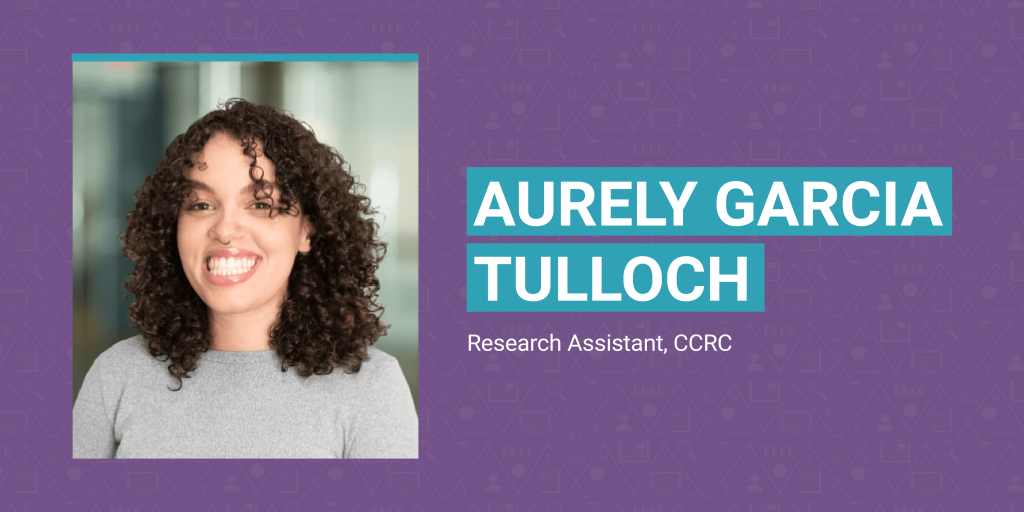
Aurely Garcia Tulloch reflects on how family, her passion for higher education, and her own experiences as a former dual enrollment student led her to her current research, which centers students and the dual enrollment experience.
CCRC Director Thomas Brock responds to the Supreme Court's decision to strike down race-conscious admissions practices and advocates for open-access institutions as a tool to increase racial equity.