This blog post shares takeaways from a working paper on how institutions and students responded to free-college messaging from Virginia's Get a Skill, Get a Job, Get Ahead (G3) initiative.
What factors might cause community college students to pause their studies? And what motivates them to return? Summer intern Lauren Lawler explores these questions and reflects on her personal experience as a community college student.
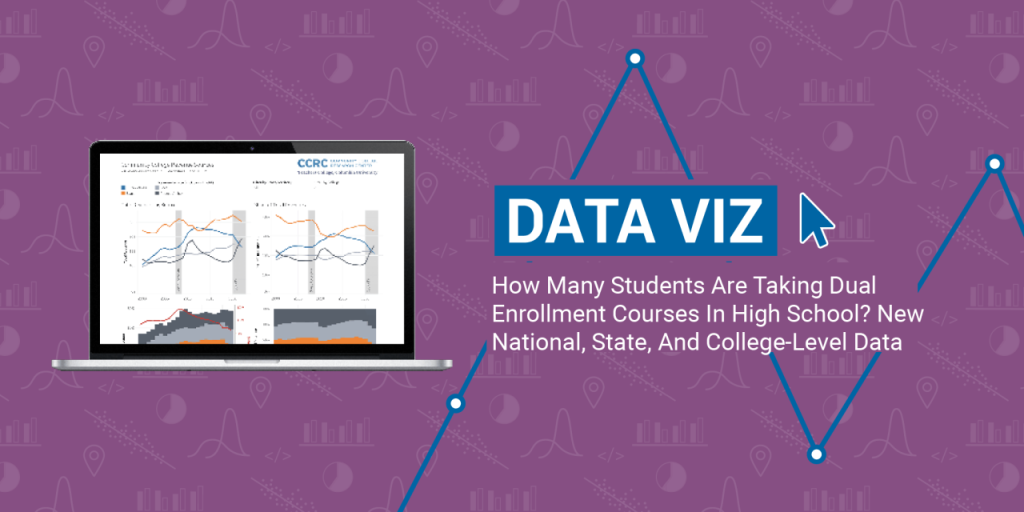
Last week, the U.S. Department of Education released new data that, for the first time ever, provide college-level counts of the number of high school dual enrollment students, disaggregated by race/ethnicity and gender. John Fink details a first look at this new information, which represents years of effort among dozens of organizations pushing for better dual enrollment data.
In this blog post, summer intern Deenika Oladipo writes about the rollout of the simplified FAFSA form, how it was received by students and administrators, and what students can expect this year when filing for FAFSA.
CCRC Intern Basmala Zyada writes about how working on a research project on how students choose programs made her reflect on her own impulsive decision to major in English.