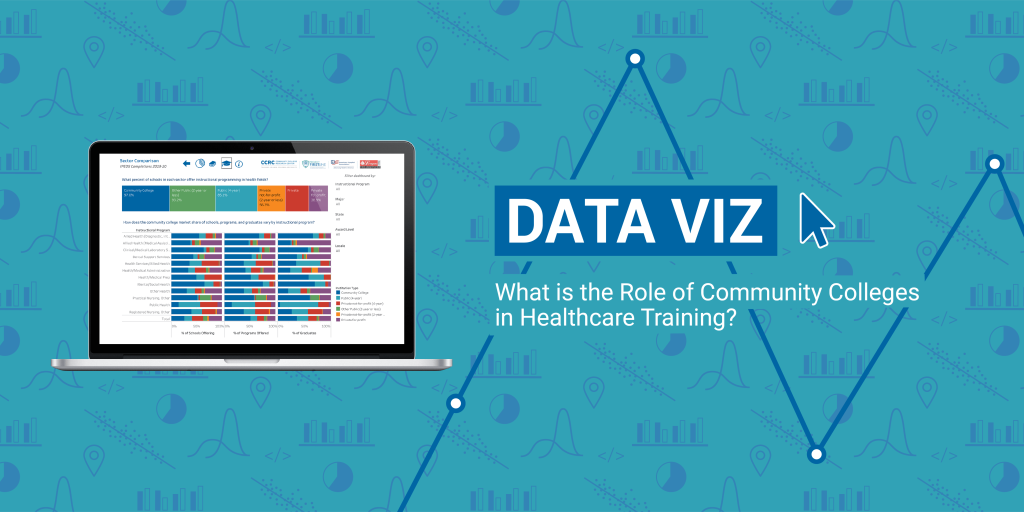
To better understand the role that community colleges play in training healthcare workers, CCRC analyzed data from the U.S. Department of Education’s Integrated Postsecondary Education Data System (IPEDS) to describe the availability of health-related programs—including nursing, allied health, and public health—and the number and characteristics of students who completed credentials in those programs. Maria Cormier breaks down what the data suggests about community college healthcare programs.
Students are told that enrolling in a community college is an affordable onramp to a bachelor’s degree. But in reality, only a small percentage of students transfer and graduate. To fix the problem, experts first have to know what’s causing it. Alex Anacki and Jessica Steiger address the current lack of available transfer data.
There is no simple recipe for developing an equitable, effective community college funding system. But understanding the challenges facing community colleges and the finance systems that underpin them can help policymakers, educators, and advocates develop new funding approaches. Kate Shaw, Lauren Asher, and Stephanie Murphy share findings from their latest report, Mapping Community College Finance Systems to Develop Equitable and Effective Finance Policy.
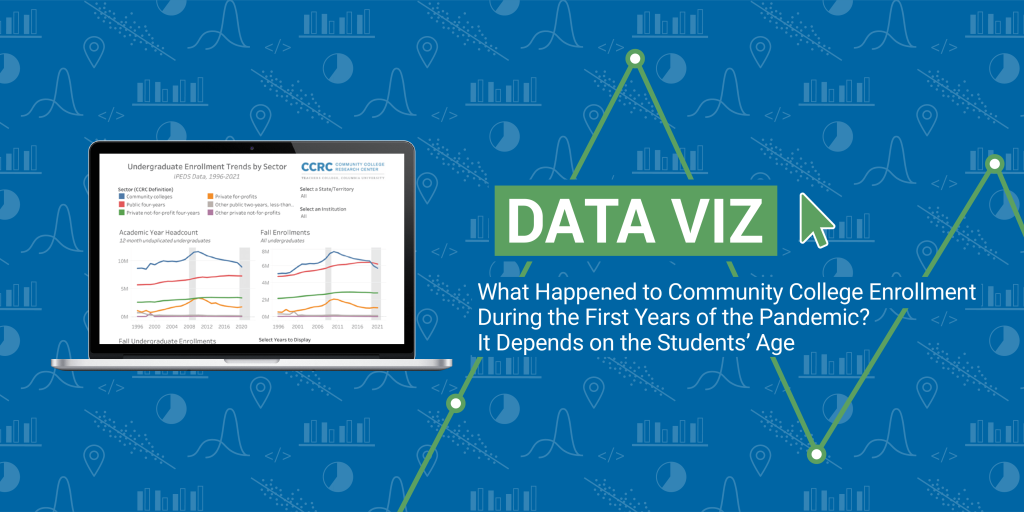
For the first time following the pandemic, we can examine detailed state- and college-level enrollment trends by age group using the latest federal data. Senior Research Associate and Program Lead John Fink examines these numbers and offers three major takeaways on how community college enrollment changed during the pandemic.
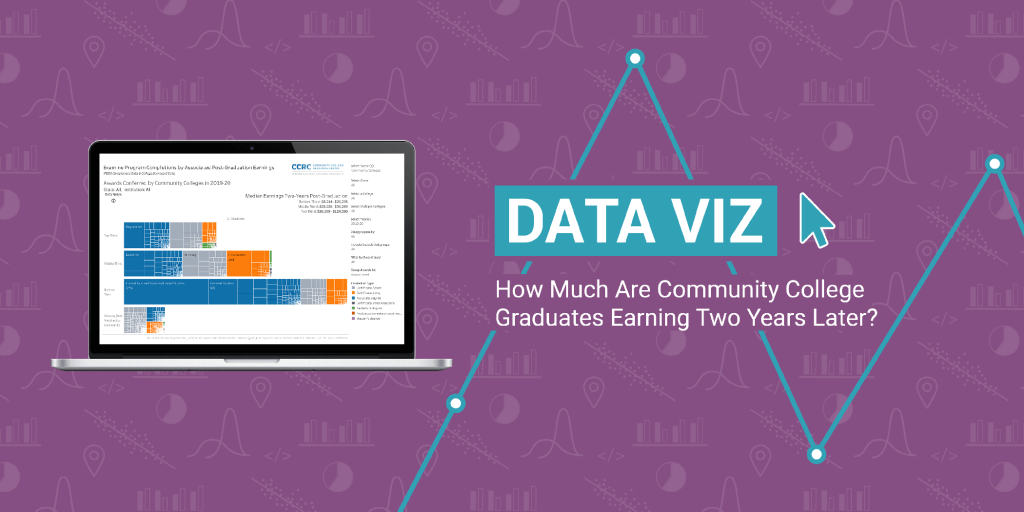
In an update to their Tableau dashboard using IPEDS data to show which credentials students are completing by college and state, John Fink and Davis Jenkins incorporated earnings data to lend additional insight into programs' postgraduation outcomes.
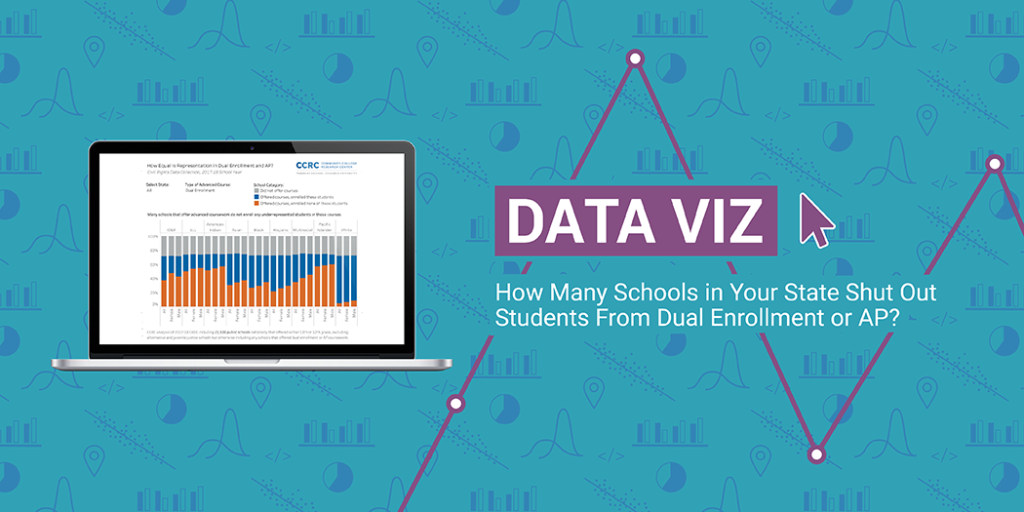
This interactive blog post allows you to see what percentage of schools in your state have excluded high school students with disabilities, English language learners, and students by race/ethnicity from college-level coursework.
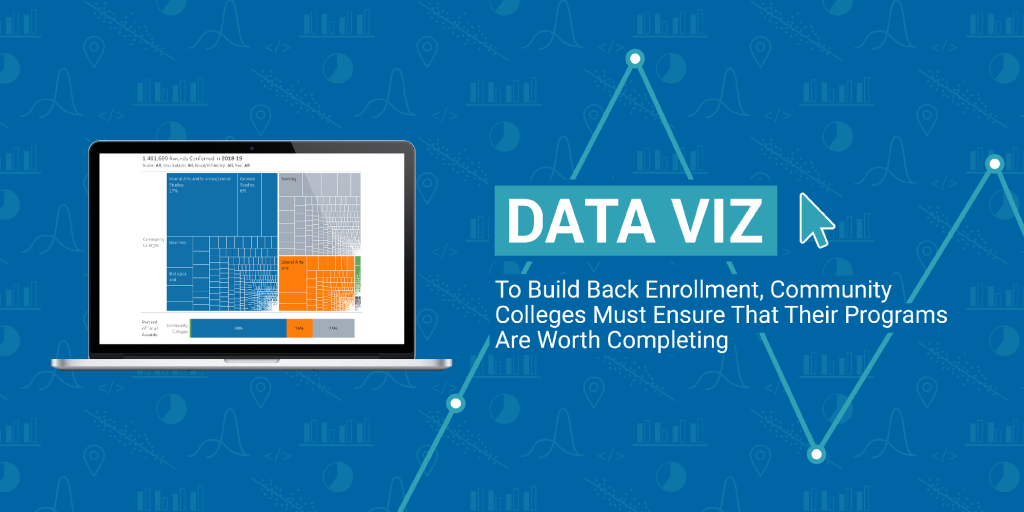
It's not enough to make it easier to go to college; to boost enrollment, students must have access to valuable programs. To that end, our latest interactive tool shows you what credentials students are completing at your college or in your state.
The Department of Education is considering adjustments to IPEDS to better clarify and capture data on dual enrollment. Comment on the proposal—which would yield data disaggregated by student race/ethnicity and gender—by August 6.
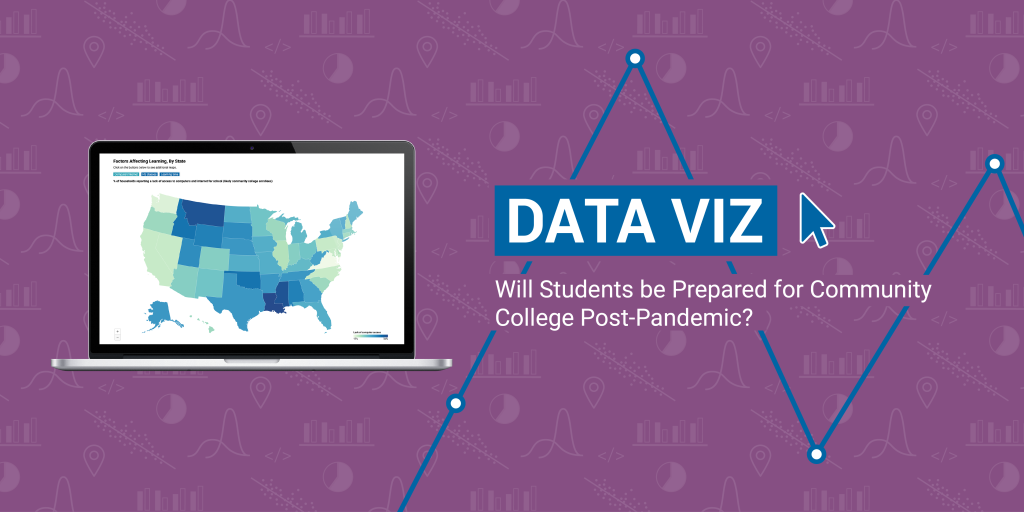
This is blog post analyzes U.S. Census data to gauge how school has changed during the pandemic for students who said they planned to attend community college. Findings suggest future students may not be as well-prepared as prior community college cohorts.