This post presents a set of interactive data tools and findings from a CCRC analysis examining racial equity gaps in access to AP and dual enrollment coursework among public high school students during the 2017–18 school year.
In the latest installment of our COVID-19 blog series, Davis Jenkins, John Fink, and Thomas Brock use Great Recession-era data as a potential blueprint for how community college funding may shift moving forward.
Based on observations following the last major disruption to community colleges, Davis Jenkins and John Fink explore how the COVID-19 pandemic could affect enrollment trends across three groups of students: students aged 25 and over, students aged 18–24, and dual enrollment students.
The IPEDS definition of public-two year colleges no longer fits the community college sector and its students, making it more challenging for policy research to provide an accurate statistical picture of these institutions. In this blog post, John Fink and Davis Jenkins describe CCRC's alternative definition.
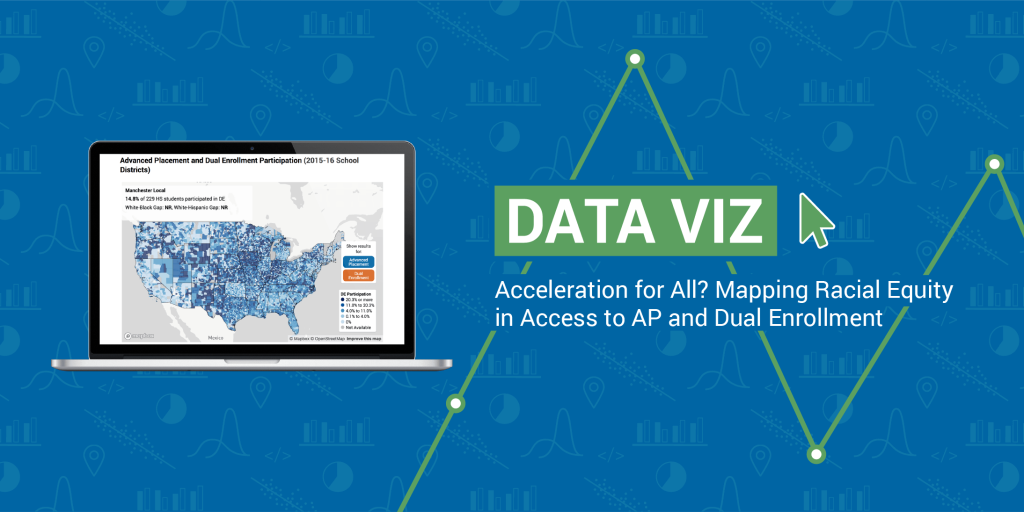
In a new CCRC working paper, Di Xu, John Fink, and Sabrina Solanki look at participation in Advanced Placement and dual enrollment courses across the country and how they differ by race and ethnicity. Here, John Fink presents two interactive tools for exploring their findings by district and metro area.
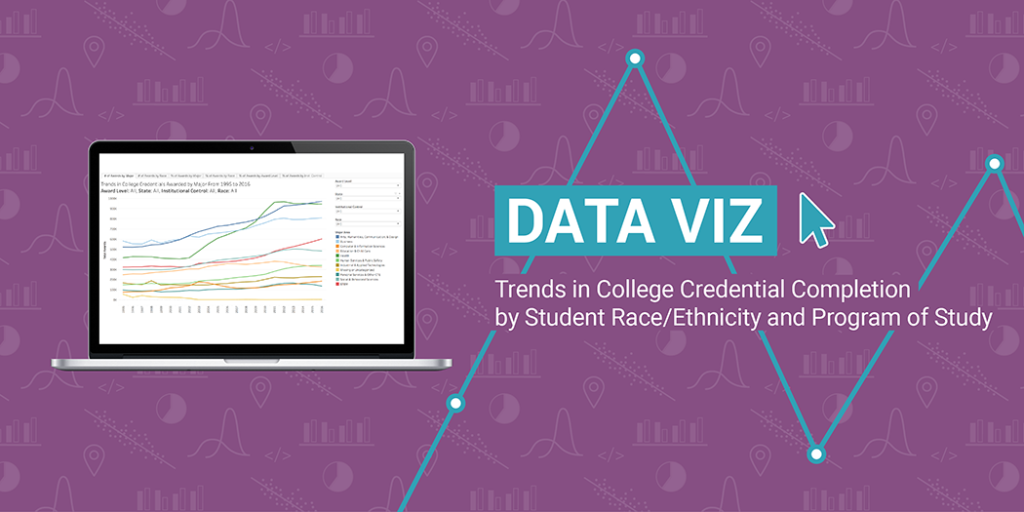
Takeshi Yanagiura presents a data tool that illustrates trends in college credentials awarded from 1995 to 2016 by a variety of factors, including state, college sector, broad major field, award level, and student race/ethnicity.
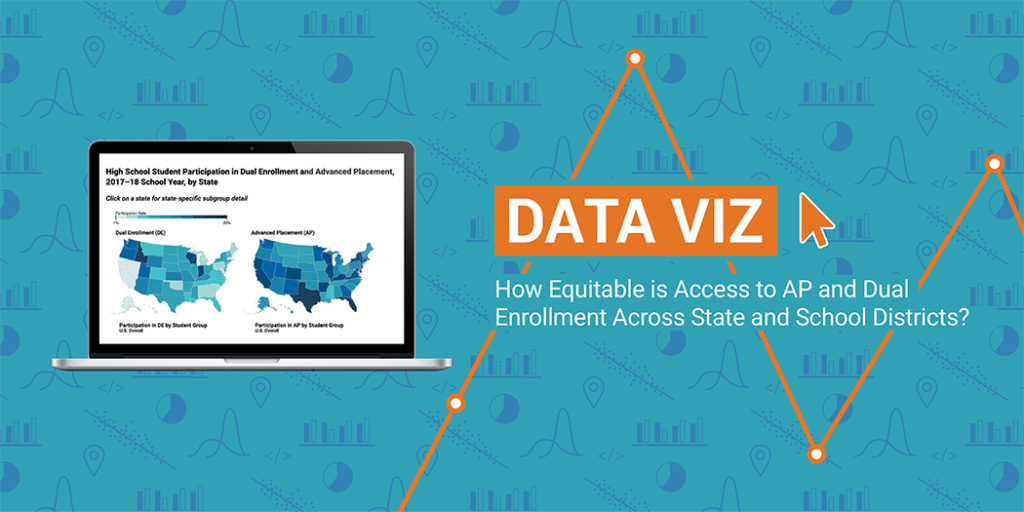
John Fink uses newly released data from the U.S. Department of Education's Office for Civil Rights to look at disparities in access to dual enrollment and Advanced Placement by race and gender. An interactive data visualization shows the breakdown of participation by race and gender in each state.