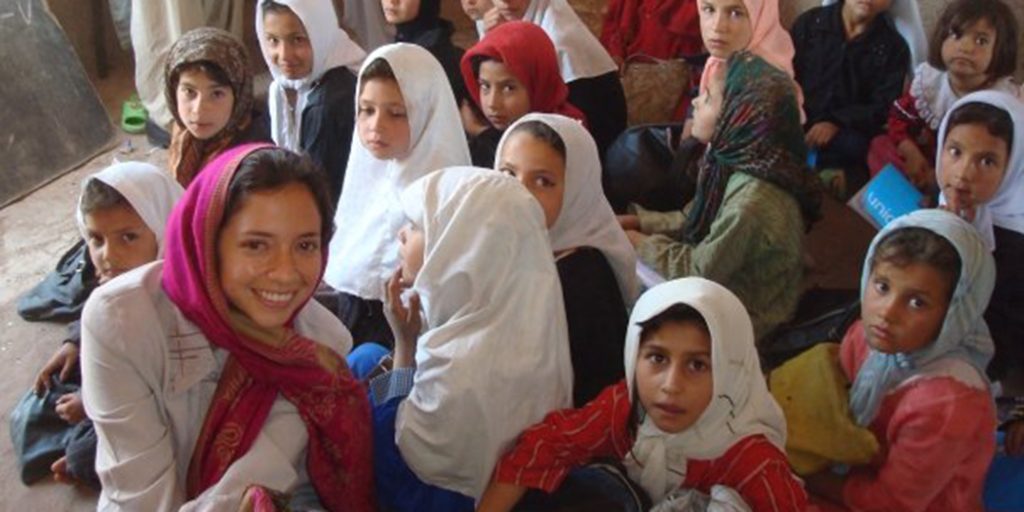
In the latest installment of our series that takes you behind-the-scenes at CCRC, Senior Research Associate Veronica Minaya discusses her experiences as a consultant for the World Bank in Afghanistan, where she helped build the country's post-war education system.
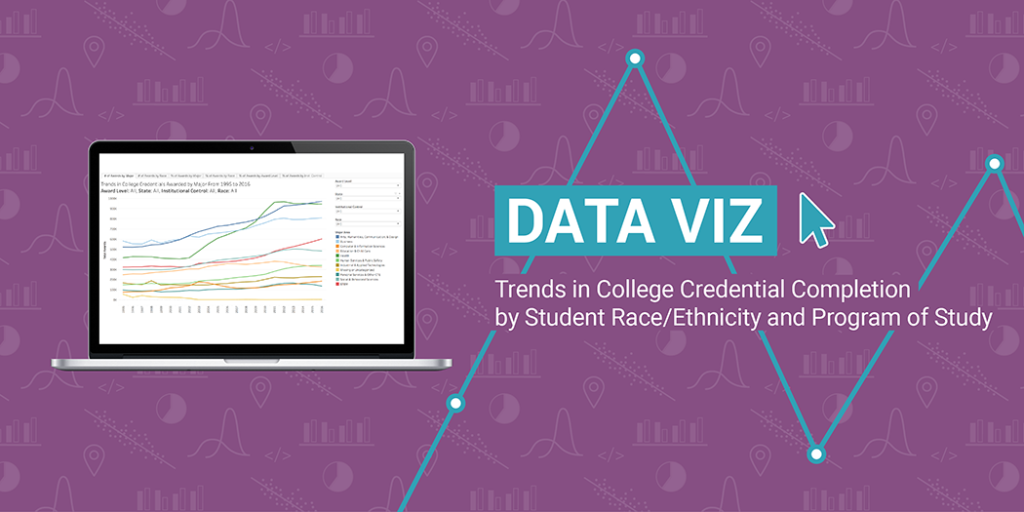
Takeshi Yanagiura presents a data tool that illustrates trends in college credentials awarded from 1995 to 2016 by a variety of factors, including state, college sector, broad major field, award level, and student race/ethnicity.
Susan Bickerstaff, coauthor of a new CCRC research brief on the experiences of part-time faculty at six colleges, outlines four ways colleges can better meet the needs of part-time faculty as part of a broader student success initiative.
John Fink uses newly released data from the U.S. Department of Education's Office for Civil Rights to look at disparities in access to dual enrollment and Advanced Placement by race and gender. An interactive data visualization shows the breakdown of participation by race and gender in each state.
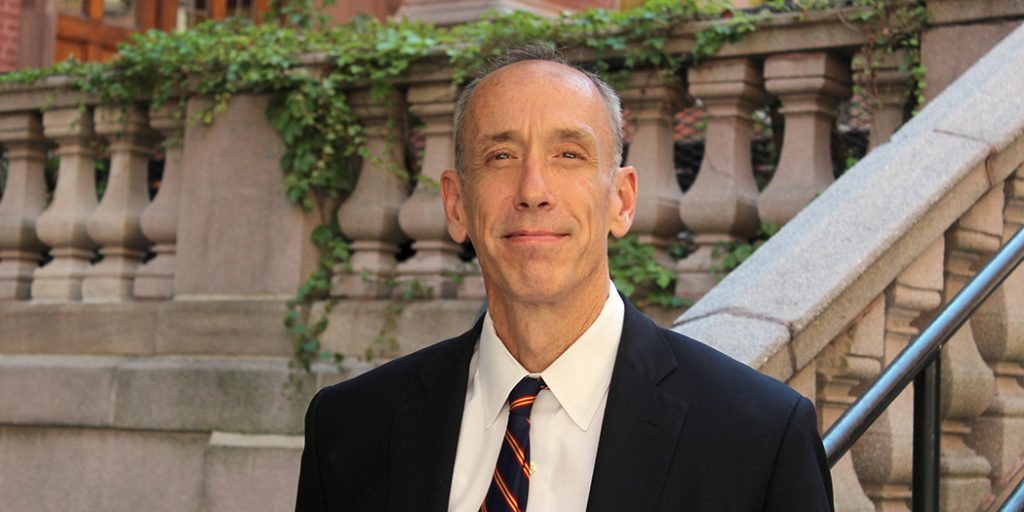
Thomas Brock, who assumed the role of CCRC director on aThomas Brock, who assumed the role of CCRC director on September 1, reflects on CCRC's current work and emerging priorities and invites stakeholders in the field to share suggestions or feedback.September 1, reflects on CCRC's current work and emerging priorities and invites stakeholders in the field to share suggestions or feedback.