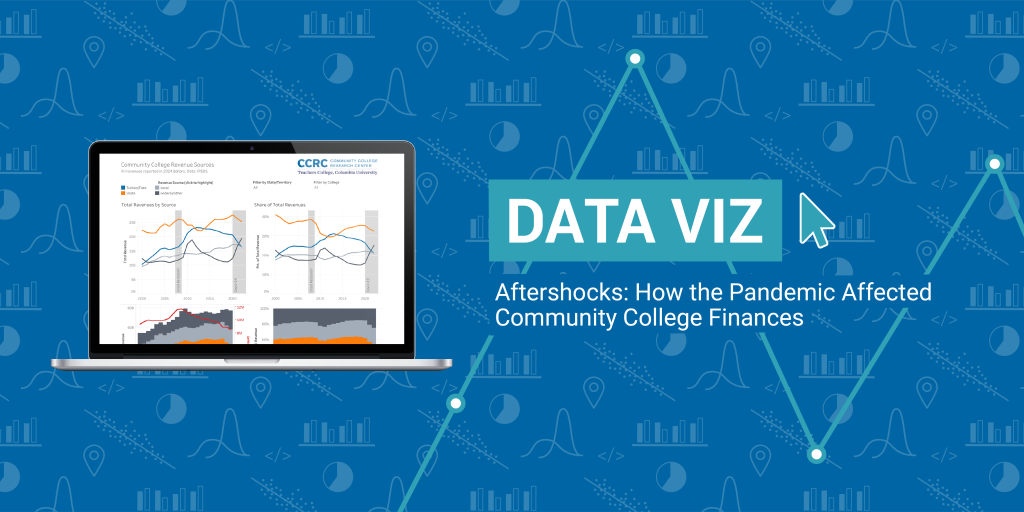
By Clive Belfield, Thomas Brock, John Fink, and Davis Jenkins For the community college sector, the COVID-19 pandemic was not like other economic shocks. Traditionally, economic downturns lead students to enroll in college at higher rates: Fiscal shocks are therefore offset by increases in tuition revenue, and college operations and institutional
Ohio waived testing-based eligibility requirements for some dual enrollment students by introducing the Innovative Program (IP) policy in 2017. A new CCRC working paper examines how the state policy was implemented and whether it resulted in expanded access and improved outcomes for Black and Hispanic students.
In a new report, CCRC and CHSA provide state leaders with recommendations for improving dual enrollment programming in ways that support practitioners’ efforts. The recommendations are organized into three areas: expanding access, strengthening on-ramps to postsecondary pathways, and building and sustaining strong partnerships.
By John Fink, Tatiana Velasco, and Davis Jenkins Last week, the U.S. Department of Education (ED) released—for the first time ever—public transfer community college student outcomes data for colleges and universities across the country. ED’s analysis examined federal financial aid recipients who started higher education at a community college
In celebration of first-generation students, Hoori Kalamkarian and Melissa Herman share findings from a recent CCRC-led study on first-generation college students’ support networks and how those relationships shape their college journeys.