Because whole-college reform is hard to evaluate, no prior major study has examined how successfully colleges have adopted guided pathways or what its effects have been on students. Now, two recent studies from CCRC are providing an unprecedented look at guided pathways reforms at approximately 100 colleges.
For university faculty, disciplinary societies provide support throughout their careers—stimulating new ideas and fostering collaborations. How can these supports be more accessible to faculty teaching in community colleges? A new report summarizes the outcomes of a 2023 workshop that created action plans for increased collaboration and engagement.
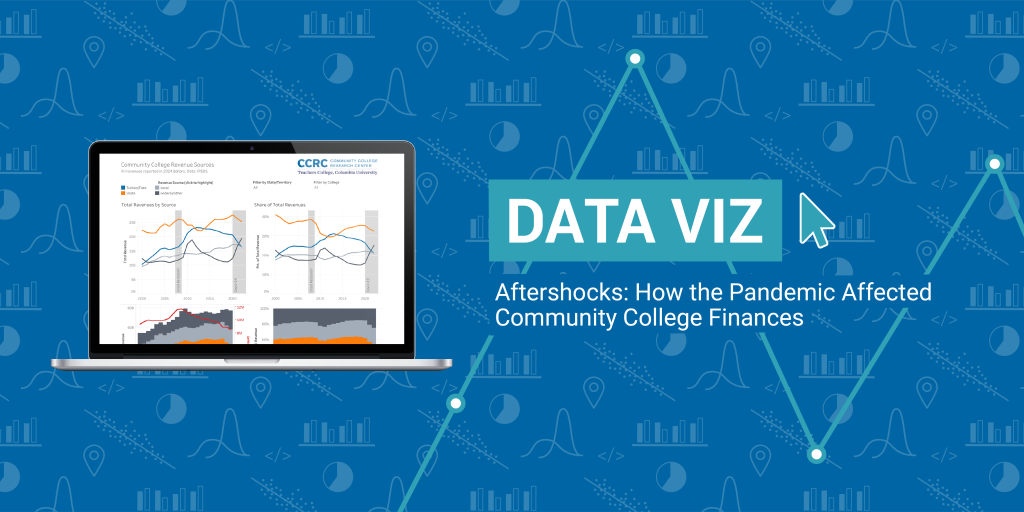
By Clive Belfield, Thomas Brock, John Fink, and Davis Jenkins For the community college sector, the COVID-19 pandemic was not like other economic shocks. Traditionally, economic downturns lead students to enroll in college at higher rates: Fiscal shocks are therefore offset by increases in tuition revenue, and college operations and institutional
Ohio waived testing-based eligibility requirements for some dual enrollment students by introducing the Innovative Program (IP) policy in 2017. A new CCRC working paper examines how the state policy was implemented and whether it resulted in expanded access and improved outcomes for Black and Hispanic students.