As the pandemic wanes and community colleges begin to find their new normal, the latest numbers from the National Student Clearinghouse Research Center indicate that enrollment is stabilizing. This is welcome news, but are some parts of the country, student groups, and types of community college programs doing better than others?
Many community colleges offer dual enrollment courses at a lower tuition rate than is paid by post-high school students. But—as dual enrollment students have come to comprise a larger share of community college enrollments—can colleges afford to continue offering these courses at a discount? Clive Belfield, Davis Jenkins, and John Fink consider how community colleges can structure their programs to be more efficient and financially sustainable.
Former research intern Hamnah Malik breaks down the potential benefits and drawbacks of the quarter system and discusses how a similar system of mini-semesters at community colleges could facilitate learning and promote student success.
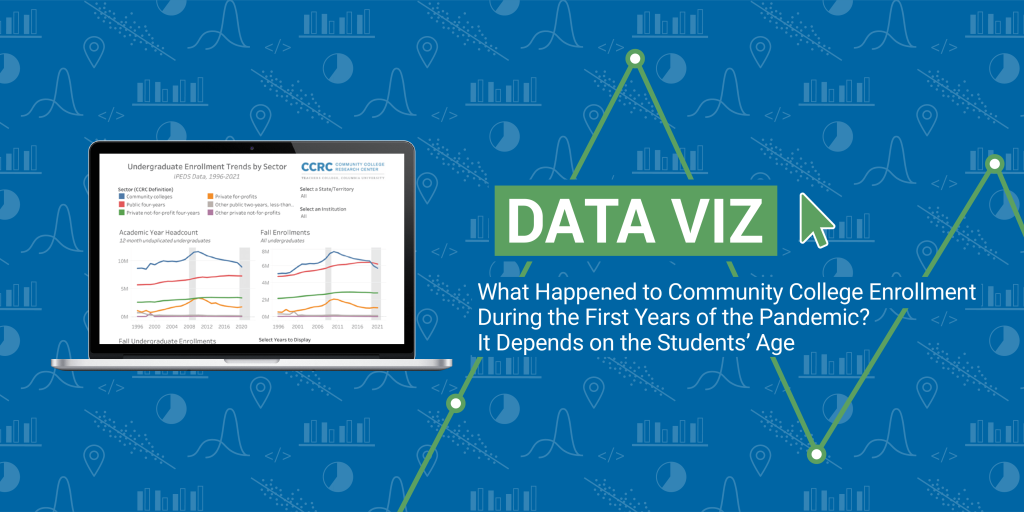
For the first time following the pandemic, we can examine detailed state- and college-level enrollment trends by age group using the latest federal data. Senior Research Associate and Program Lead John Fink examines these numbers and offers three major takeaways on how community college enrollment changed during the pandemic.
In this blog post, Christopher Quarles, a former community college teacher and current PhD candidate at the University of Michigan School of Information, shares findings from his recently published study on student capital, which he defines as the cumulative effect of all factors that account for student success.