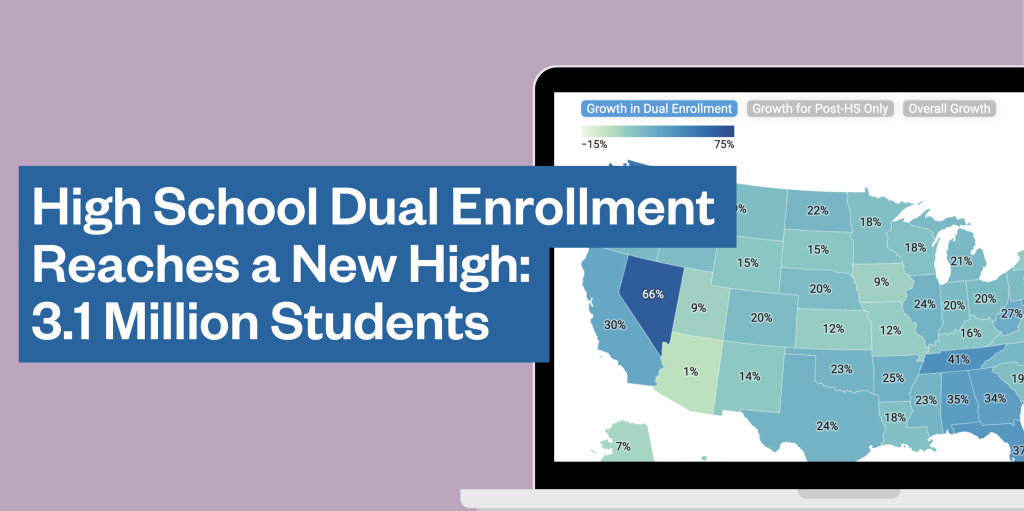
New data show dual enrollment has continued to expand across the country. In this blog post, CCRC's John Fink shares key takeaways from updated 2024-25 IPEDS data on dual enrollment, including a dashboard that shows the number of high school students enrolled at colleges in each state.
Many community college students enter college motivated to earn a credential, transfer to a four-year institution, or secure a good job. But even students with clear goals may not have a plan. A new CCRC research brief examines why individualized career and educational plans are essential to student success.
Summer intern and former transfer student Claribeth Gutierrez explores transfer students' experiences—including her own—and how institutions can better support them.
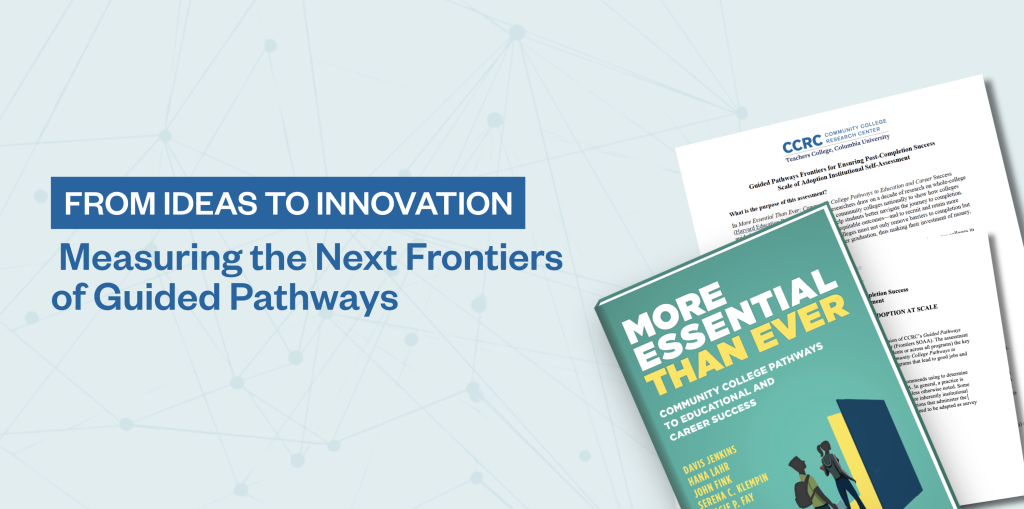
In honor of the first anniversary of "More Essential Than Ever," the authors reflect on lessons from the book and share details about the next phases of their research on guided pathways, including a new scale of adoption assessment colleges can use to measure their scaling efforts.
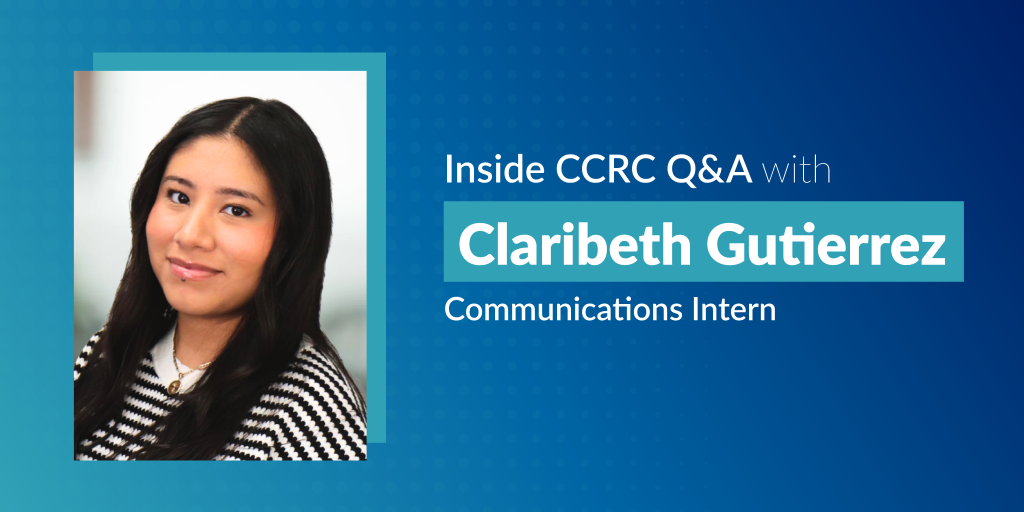
In this Q&A, communications intern Claribeth Gutierrez reflects on her transition to college, her experience as a transfer student, and her interest in improving higher education for first-generation and transfer students.
Search the CCRC blog
Explore trends in community college outcomes with our interactive data visualizations.