
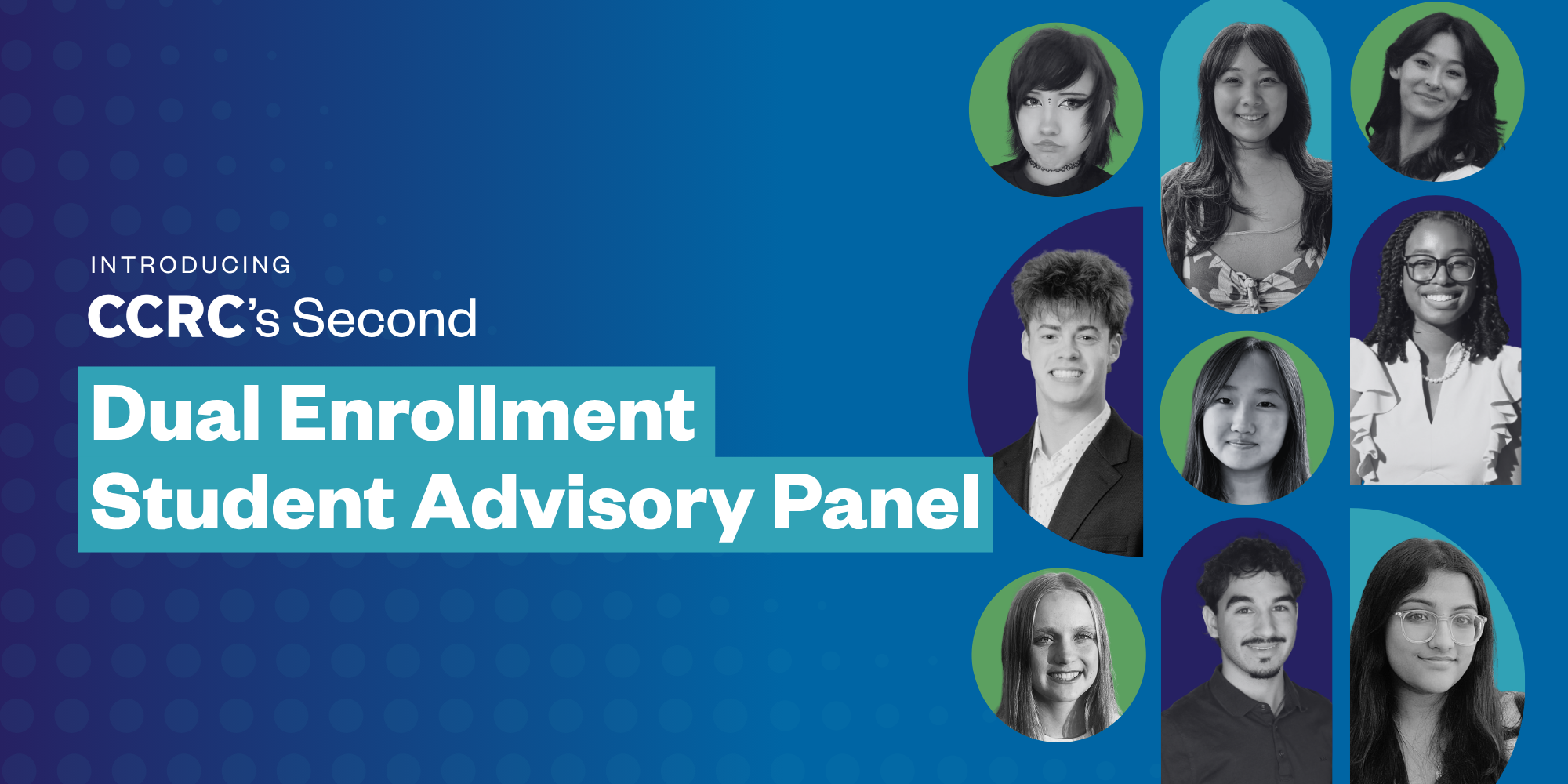
Last year, CCRC’s dual enrollment team successfully launched its first-ever student advisory panel, where 11 current and former dual enrollment students from across the nation came together to share their experiences and perspectives on dual enrollment. To ensure that our research and practitioner guidance continue to reflect students’ experiences, we have recruited a second student advisory panel cohort to contribute to our research on how DEEP-aligned practices are being implemented, scaled, and funded.
The second cohort of the Dual Enrollment Student Advisory Panel launched in June with nine current and former dual enrollment students from eight states. The students, aged 15 to 22, have a wide range of dual enrollment experiences, from taking individual dual enrollment courses to earning an associate degree in high school. They’ve taken courses online, both asynchronously and synchronously, as well as in-person on their high school campuses. Their experiences span a variety of dual enrollment models, including one-off courses, Early College High Schools, P-TECHS, and other specialized high school programs. Many of the panelists represent historically underrepresented populations in dual enrollment programs, including first-generation college students, students from low-income backgrounds, and students with disabilities. Throughout the next year, the students will support our dual enrollment team by providing feedback on our study designs, co-presenting at conferences, and contributing to blogs and digital media.
Here is some background on each student and what they hope to accomplish on the panel.
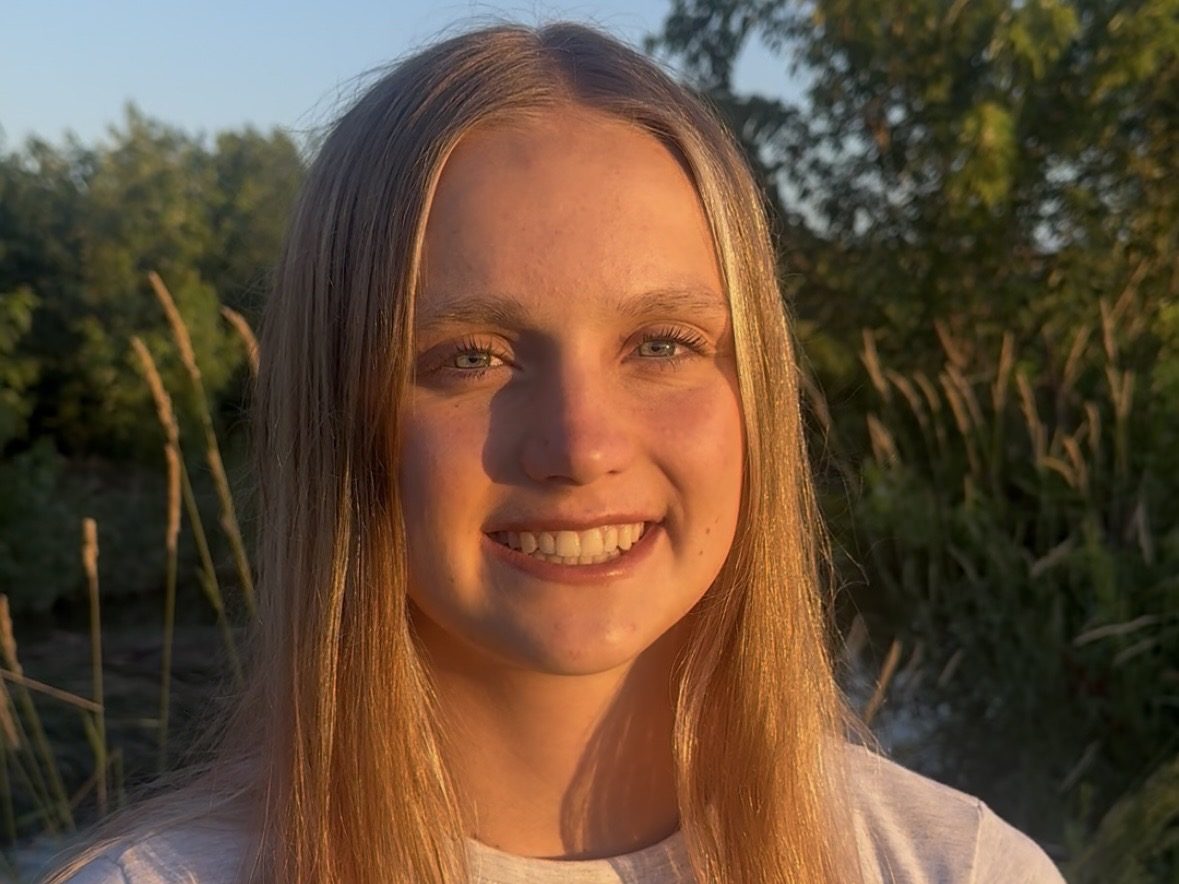
Ariana, 15, Iowa
Dual enrollment experience: Current dual enrollment student taking online asynchronous classes
Why I chose to join the panel: I joined this panel because I want to help make dual enrollment opportunities more accessible to all students, especially those in the early years of high school. I would like to share my experiences with dual enrollment as a sophomore because I am new to the whole process and had to figure it out myself, and I know that there are many other students like me who struggle to find these opportunities. I also want to represent the students who do not have straight As, because the path to taking dual enrollment classes can be more challenging for students who may not earn perfect grades. Participating in dual enrollment has shown me the importance of advocating for myself and my peers.
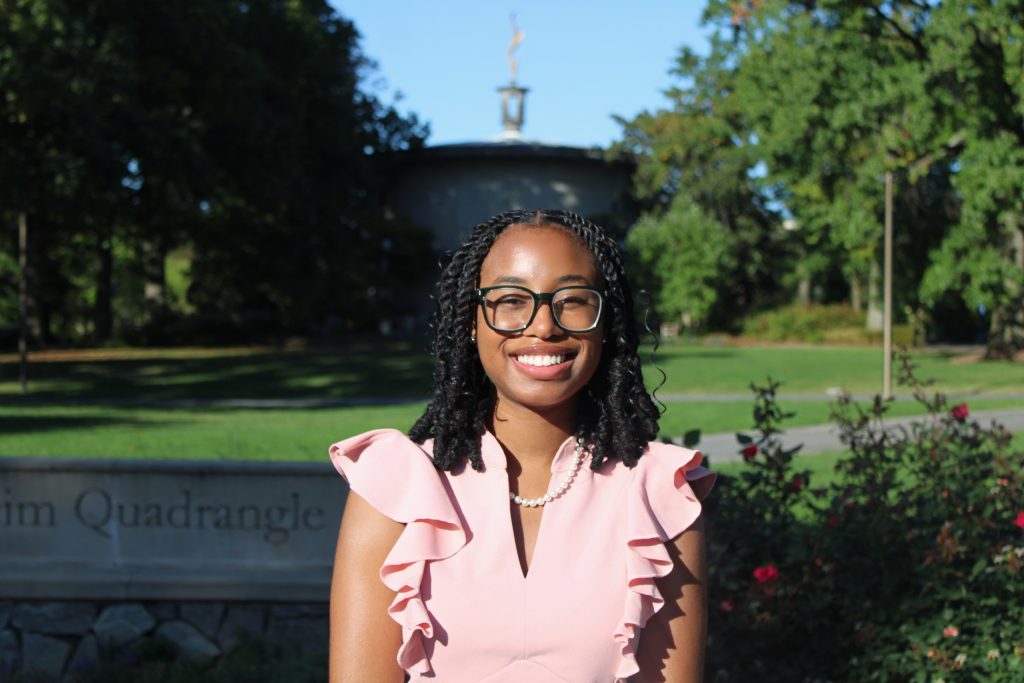
Christiana, 23, Pennsylvania
Background: Second-generation Jamaican-Nigerian American
Dual enrollment experience: Former dual enrollment student who took asynchronous online classes
Why I chose to join the panel: I had the opportunity to be part of an amazing dual-enrollment program that allowed me to take a year’s worth of free community college classes, with the result that I graduated from college a year early with financial freedom. As someone who has had such a positive experience with dual enrollment, I would like more Black and Brown students to learn about the educational and financial opportunities it can provide. Overall, dual enrollment has been truly life-changing, transforming me into a well-rounded, knowledgeable individual prepared for college and beyond.
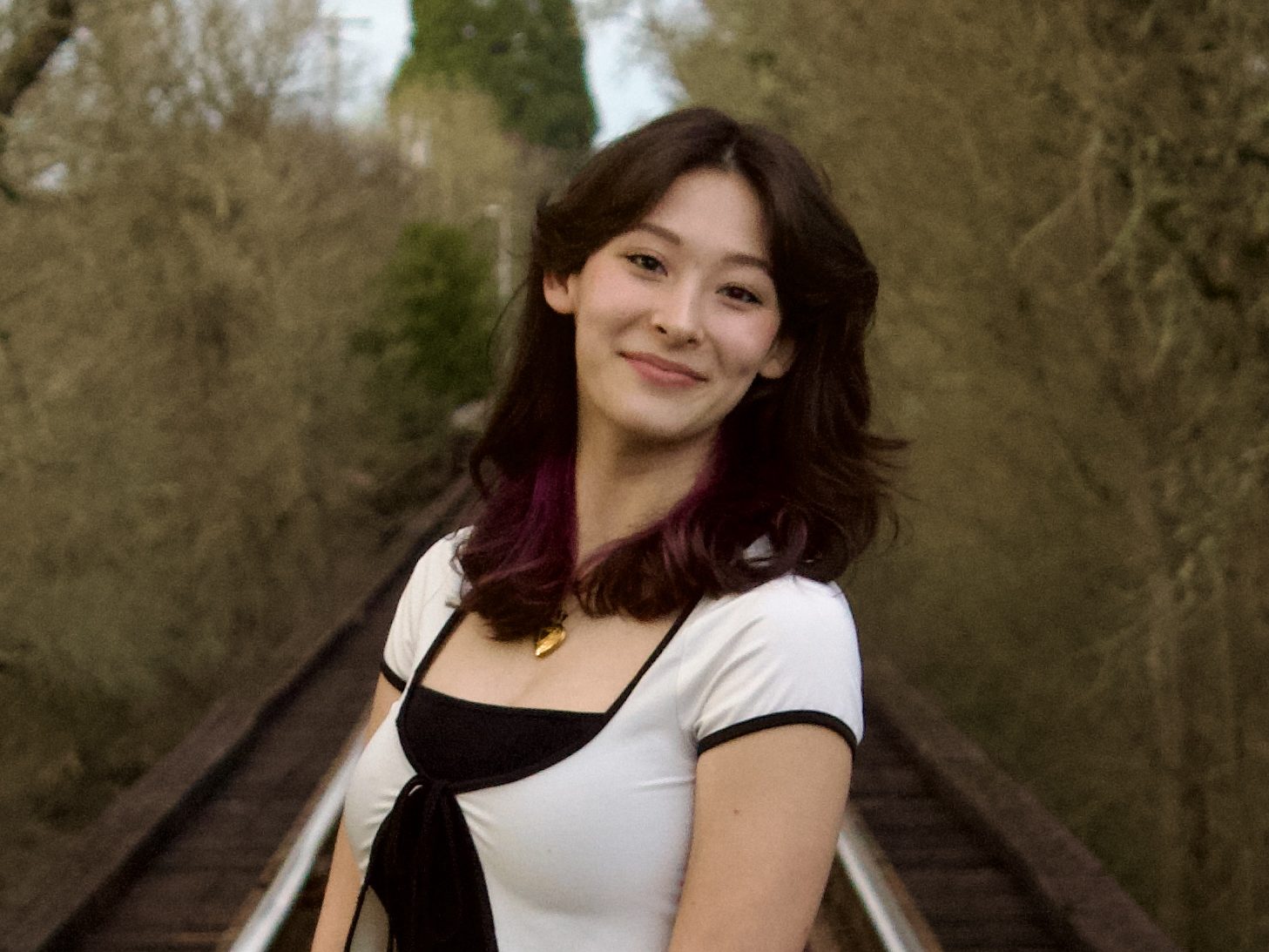
Kiyora, 18, Oregon
Background: Japanese American
Dual enrollment experience: Former dual enrollment student who took courses in person at my high school
Why I chose to join the panel: I took two dual enrollment classes during my high school career and, although it was a wonderful opportunity to get in college credits early on, I struggled as a freshman with understanding how the dual enrollment process truly works. My peers and I found it difficult to access information about what credits mean, whether the credits for our classes counted, and how to access them in the future. I definitely found this opportunity to be beneficial, especially when considering how expensive college education is in the United States. But I hope to advocate for more support and resources to educate students about how the systems of college credit and credit transfer really work, since having that knowledge would be incredibly valuable.
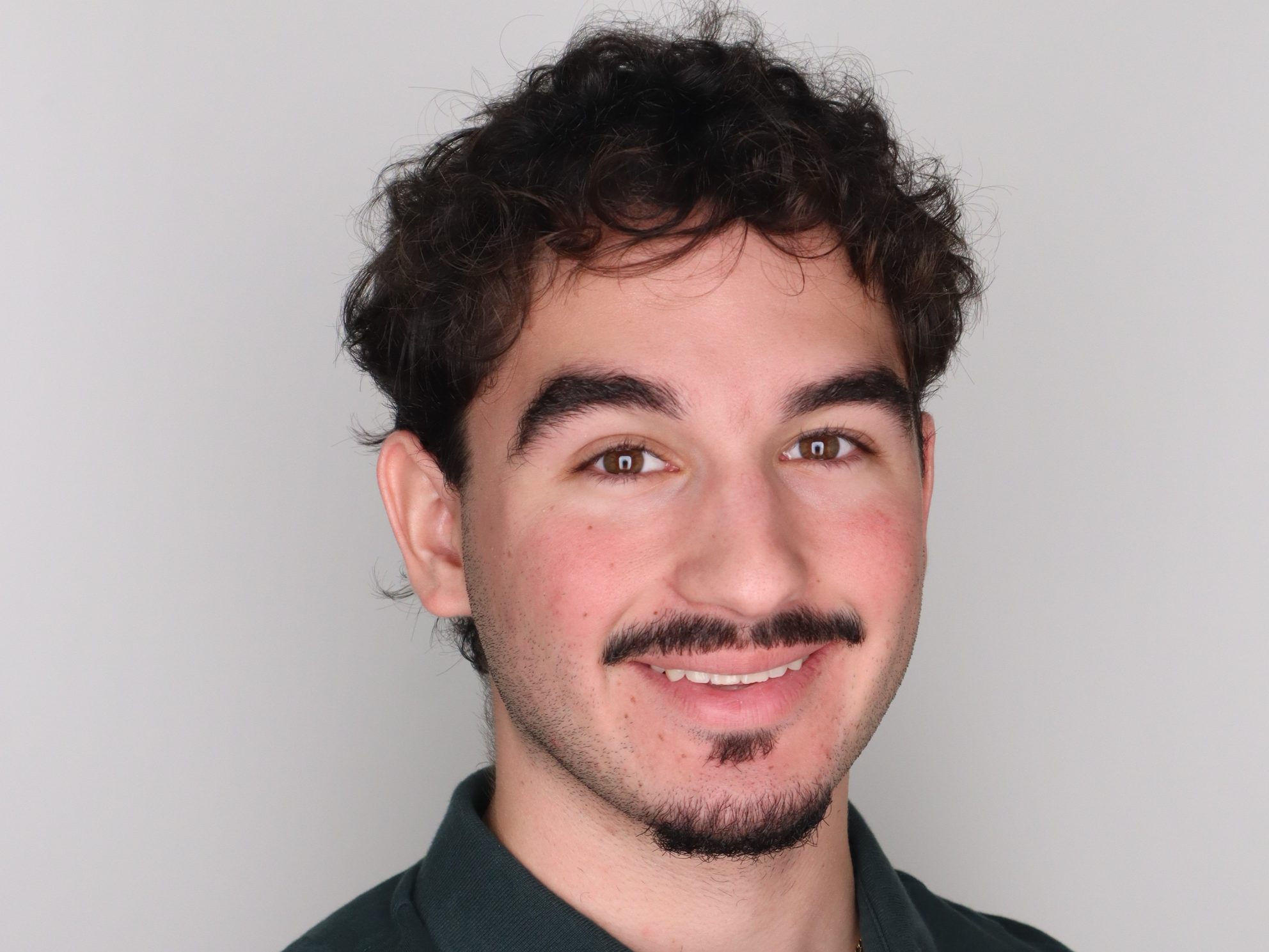
Luis, 19, Texas
Background: Hispanic and a first-generation college student
Dual enrollment experience: Former dual enrollment student who took in-person courses at my high school and online asynchronous courses
Why I chose to join the panel: I began taking dual enrollment classes at the start of high school and it has been one of the most rewarding experiences of my life. Attending an early college program has given me opportunities I am incredibly grateful for. A challenge I experienced during dual enrollment was navigating the program at a young age without much guidance, as I am a first-generation college student. I had to learn how to manage college courses and degree planning on my own. Another hurdle I faced was inconsistent communication. I and many other students often struggled to get clear guidance from our college advisors which made planning our coursework and degree requirements difficult. These experiences led me to join the panel, and I hope to advocate for first-generation and minority students while helping improve communication, advising, and support within dual enrollment programs so that these opportunities are more accessible to all students.

Maribel, 17, California
Background: First generation Latina from a lower-income community or family
Dual enrollment experience: Current dual enrollment student taking courses online asynchronously
Why I chose to join the panel: As a dual enrollment student throughout high school, I have struggled with balancing college courses with my high school classes, extracurricular activities, and after-school sports. I know firsthand that dual enrollment is a great opportunity, especially for students in minority communities like my own, where higher education is less accessible. In my community, which is 70% to 80% Latino and Hispanic, I found that there is very little representation of people in higher education. I want to make the opportunities that I had more accessible and less intimidating to high school students in my community and to diverse student populations across the country.

Max, 19, Indiana
Dual enrollment experience: Former dual enrollment student who took in-person and online asynchronous courses at my high school
Why I chose to join the panel: I took 17 dual enrollment classes throughout high school, and I am grateful to be graduating high school with both the Indiana College Core (ICC) credential and an associate degree. However, I have learned that some of the dual enrollment classes I took did not adequately prepare me for college-level coursework, and that there is a large gap between the way some dual enrollment courses and actual college courses are taught. I soon realized how significant this issue can be, as the difference in instruction led my peers and me to feel confused and fall behind when taking college classes, even though dual enrollment courses are intended to prepare students for higher education. These experiences led me to join the panel so I could bring these discussions to the table and hopefully raise awareness about this challenge within dual enrollment education.
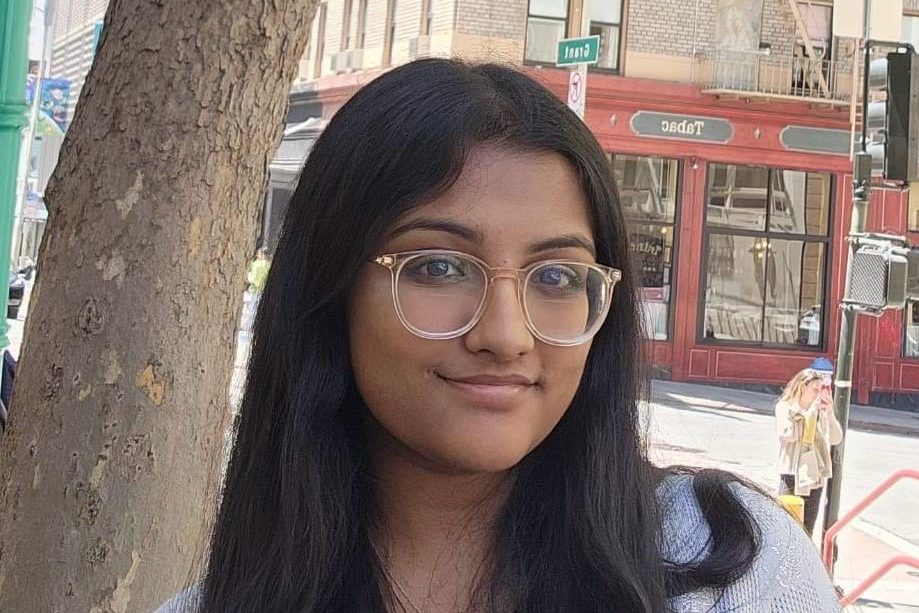
Nidhima, 17, Florida
Background: Second-generation Bangladeshi Hindu American and second-generation college student
Dual enrollment experience: Former dual enrollment student who took courses online asynchronously and at an early college high school
Why I chose to join the panel: As the first person in my family to take dual enrollment courses, I faced challenges navigating the process and understanding how the system worked. I also experienced a sense of isolation on campus, especially as someone who did not see any South Asian representation in the campus community. Having previously attended an underfunded high school where many students had limited access to educational opportunities, I know how beneficial dual enrollment can be for students who may not otherwise be aware of these pathways. I joined this panel because I am a strong advocate for equitable access to education and hope to use this opportunity to raise awareness of dual enrollment and expand my efforts to advocate for students like those from my former school.
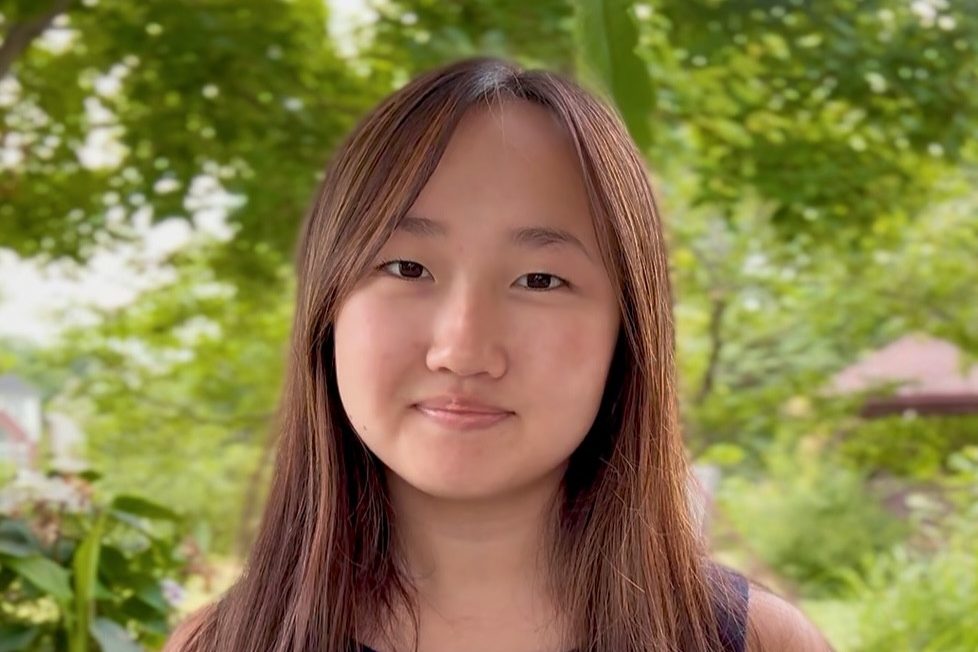
Simone, 17, Ohio
Background: Chinese American
Dual enrollment experience: Former dual enrollment student who took asynchronous online courses
Why I chose to join the panel: The first time I took a dual enrollment course, I did it out of curiosity. I wanted the chance to explore my faith from a scientific viewpoint. It ended up being one of the most impactful times of learning I have ever had. It taught me to embrace my doubts and dig deeper for answers, and I found it fascinating to learn from perspectives that differed from what I would typically encounter in school. I joined this panel because I have seen a stigma surrounding dual enrollment, with some teachers and college admissions officers discouraging students from taking these courses and reinforcing misconceptions about their value. I want to help challenge these perceptions, learn more about equitable dual enrollment programs, and advocate for opportunities that empower students.
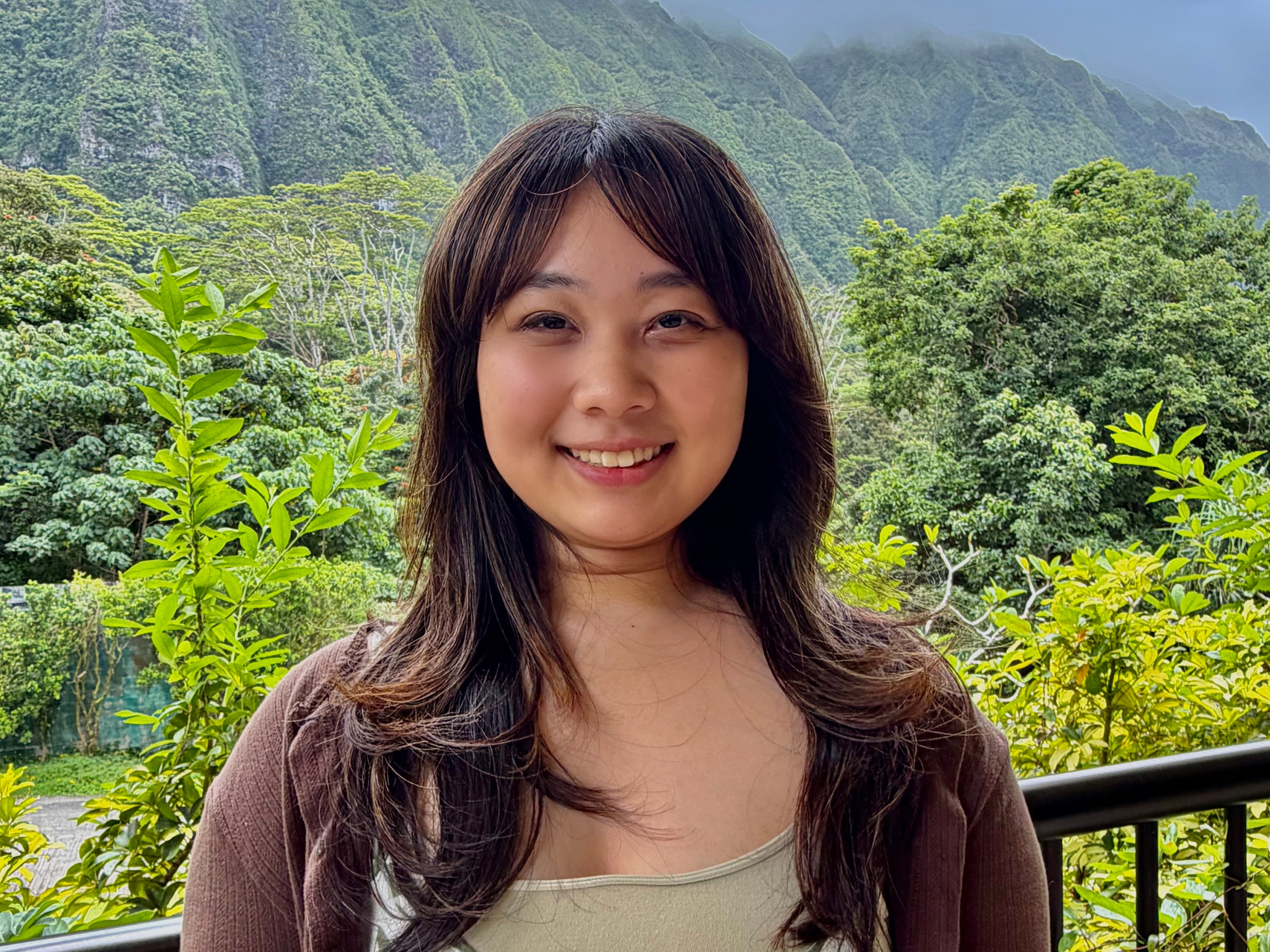
Sydnie, 18, Hawaii
Background: Indigenous (Pacific Islander) and Asian
Dual enrollment experience: Former dual enrollment student who took online asynchronous courses
Why I chose to join the panel: As a dual enrollment student taking classes on my high school campus, the dual enrollment program struggled to get enough students to enroll, which made it difficult for certain courses to be offered. Many students at my school did not even know about dual enrollment or that these courses were available, and teachers did not often mention them. For many students, the only way to learn about these opportunities was through friends who encouraged them to enroll. I joined this panel because I would like to discuss some of the challenges we faced in our dual enrollment program and explore ways to improve access and awareness at my school. I also hope to help more students learn about these opportunities so they can get a head start on their college journey.