A new approach to dual enrollment encourages community colleges to partner with middle and high schools to motivate and prepare underserved students to pursue a postsecondary degree in a field of interest directly after high school.
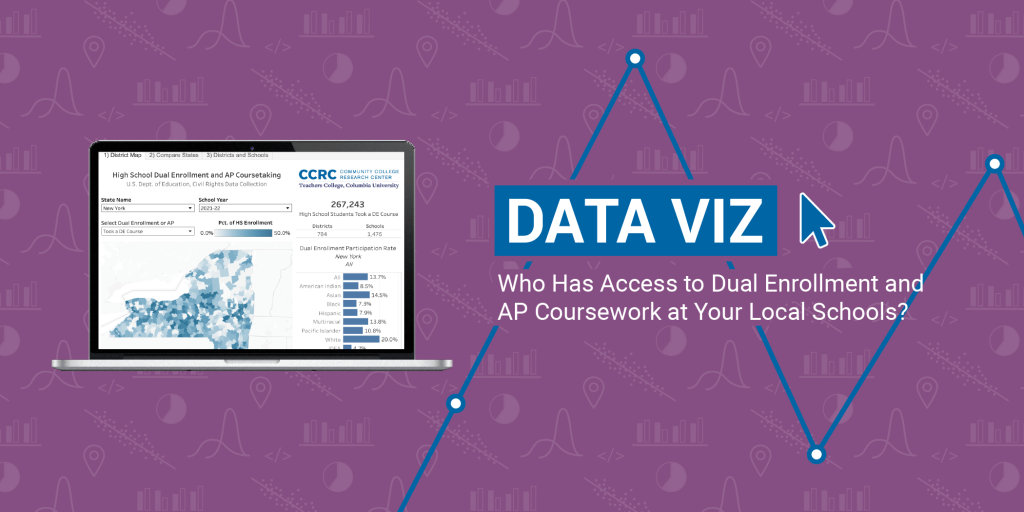
An interactive dashboard draws on multiple years of CRDC data to provide a school- and district-level view of dual enrollment and Advanced Placement access, disaggregated by students’ race/ethnicity, English language learner status, and disability status. The dashboard is meant to help college and K-12 educators as they strengthen and expand dual enrollment programs.
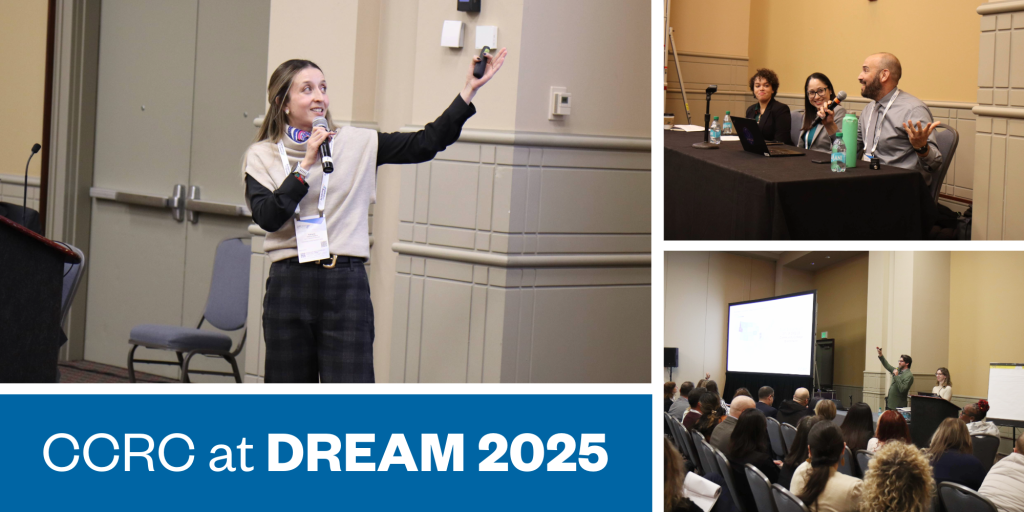
In five sessions at DREAM, CCRC researchers and partners explained how they are working with colleges, state systems, and other organizations on the next generation of student success research.
Aurely Garcia Tulloch shares the stories of four former dual enrollment students, including why they chose to participate in dual enrollment and how they think their experiences could have improved.
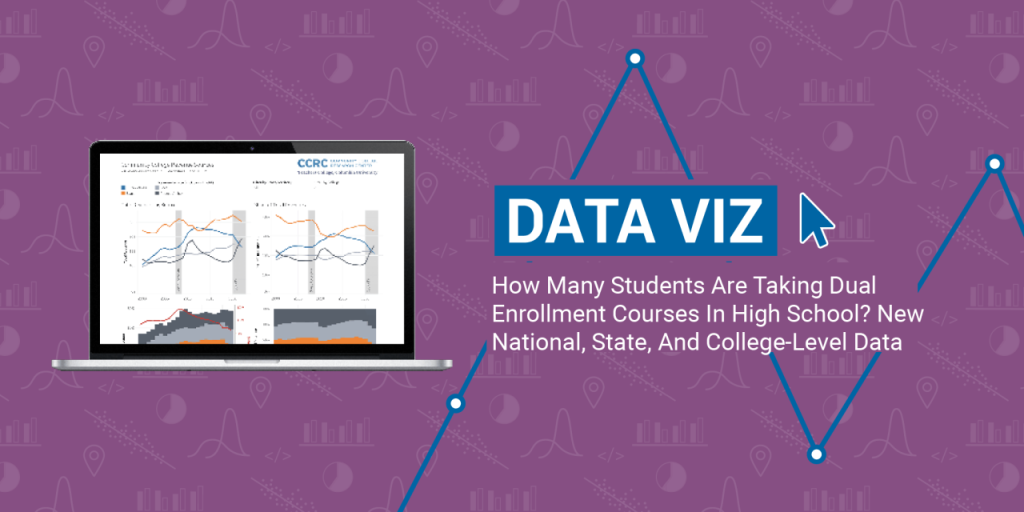
Last week, the U.S. Department of Education released new data that, for the first time ever, provide college-level counts of the number of high school dual enrollment students, disaggregated by race/ethnicity and gender. John Fink details a first look at this new information, which represents years of effort among dozens of organizations pushing for better dual enrollment data.
Search the CCRC blog
Explore trends in community college outcomes with our interactive data visualizations.