This blog discusses the constraints some students have on their time and energy resources and how colleges can rethink their culture, policies, and practices to take time and energy resource inequities into account.
Although the rise in online coursetaking has benefits in terms of convenience and flexibility for students, it is not without challenges. Two new reports offer insights into approaches that can help colleges support students in online courses, particularly STEM courses.
Because whole-college reform is hard to evaluate, no prior major study has examined how successfully colleges have adopted guided pathways or what its effects have been on students. Now, two recent studies from CCRC are providing an unprecedented look at guided pathways reforms at approximately 100 colleges.
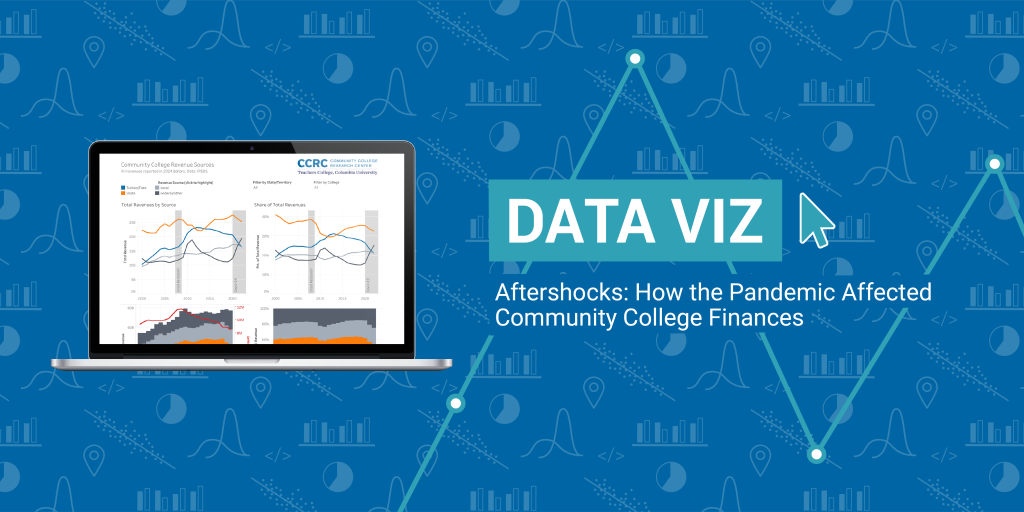
By Clive Belfield, Thomas Brock, John Fink, and Davis Jenkins For the community college sector, the COVID-19 pandemic was not like other economic shocks. Traditionally, economic downturns lead students to enroll in college at higher rates: Fiscal shocks are therefore offset by increases in tuition revenue, and college operations and institutional
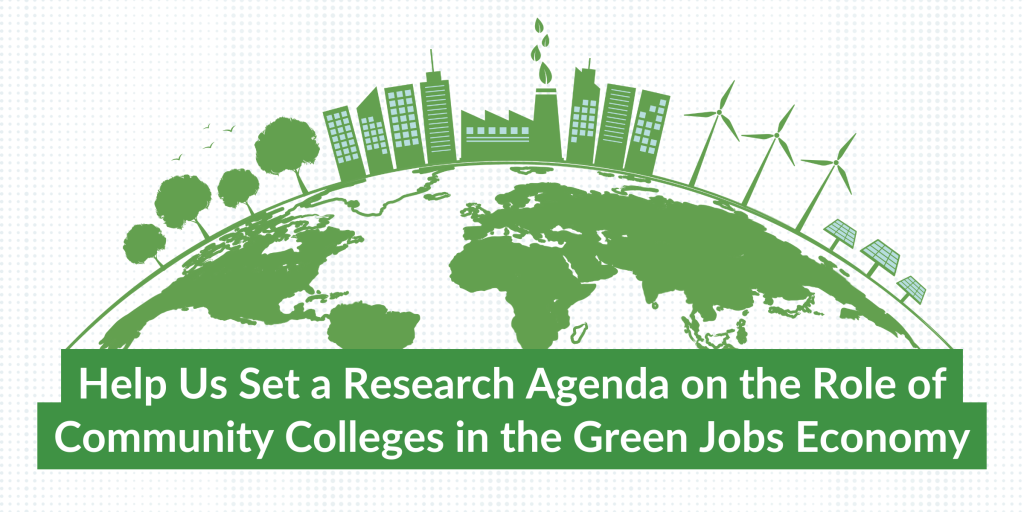
In April, CCRC will host a half-day symposium to elevate the role community colleges play in addressing climate change and highlight the needs and opportunities for public and private sector coordination in order to help community colleges fulfill their promise in preparing students for the green economy.
Search the CCRC blog
Explore trends in community college outcomes with our interactive data visualizations.