Introductory science courses too often function as bottlenecks rather than gateways to high-demand STEM and health careers. Ohio Strong Start in Science seeks to transform introductory science courses to help more students succeed on their first attempt.
Tom Brock reflects on the sudden cancellation of federal research grants to CCRC earlier this year and the challenges it created. While the situation remains unchanged, CCRC closes out 2025 with gratitude for the foundations that recognize the value of CCRC’s work and have stepped in with vital support.
Three students enrolled in courses that piloted the Postsecondary Teaching with Technology Collaborative's Instructional Model share their experiences using evidence-backed strategies to foster and reinforce learning skills.
Studies show that first-generation college students are even more likely to stop out of college than students generally. What motivates first-generation students to stop out before completing a credential? New findings from a CCRC study examining the support networks of first generation students shed light on the question.
To facilitate comparisons across states, this blog post shows how community colleges fund dual enrollment by state, including how much funding is set aside for dual enrollment, whether a state uses formula funding or grants, and how funding flows through K-12 systems.
A new study suggests that the work to reduce equity gaps in higher education doesn't end when students earn their diploma—rather, the transition to the workforce is just as critical for closing equity gaps between higher- and lower-income students.
As CCRC's research on corequisites continues, researchers find that students are voicing similar experiences across colleges. In this blog post, CCRC researchers share common student perspectives and suggestions on how to better support corequisite students.
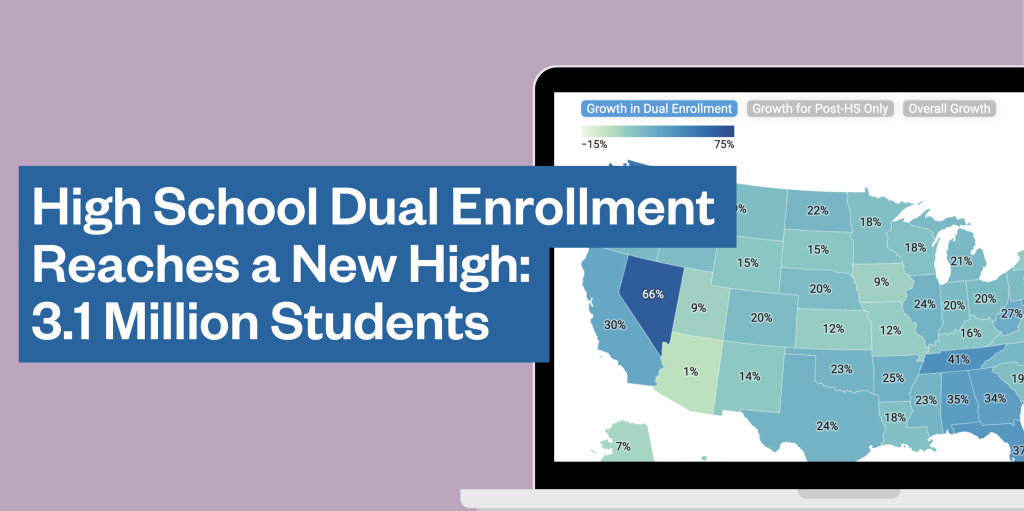
New data show dual enrollment has expanded across the country. CCRC's John Fink shares key takeaways from updated 2023-24 IPEDS data in this blog post.
Learn about a new data tool that shows the demand for workers in high-opportunity occupations that are being impacted by efforts to improve sustainability and efficiency, and the role community colleges play in preparing students for these jobs in this blog post.
By putting research into practice, The Alamo Colleges District in Texas made dual credit both accessible and meaningful for more students. Learn how college and high school leaders worked together to make it happen in this blog post.