Drawing on interviews with 96 first-year community college students, this journal article compares the roles of students' on- and off-campus relationships in providing information and support.
Davis JenkinsHana LahrLauren PellegrinoElizabeth M. KopkoSarah Griffin
This practitioner packet provides guidance to colleges seeking to redesign their new student onboarding practices to better help students explore, choose, and plan a program of study best suited to their interests and aspirations.
This paper describes the professional development model used in CUNY Start, a program developed at the City University of New York to support entering students identified as academically underprepared in literacy and mathematics.
Susan BickerstaffThomas BrockAdnan MoussaFlorence Xiaotao Ran
This paper discusses what is known about humanities coursework in community colleges, outlines key challenges facing humanities education in this sector, and considers approaches to addressing these challenges
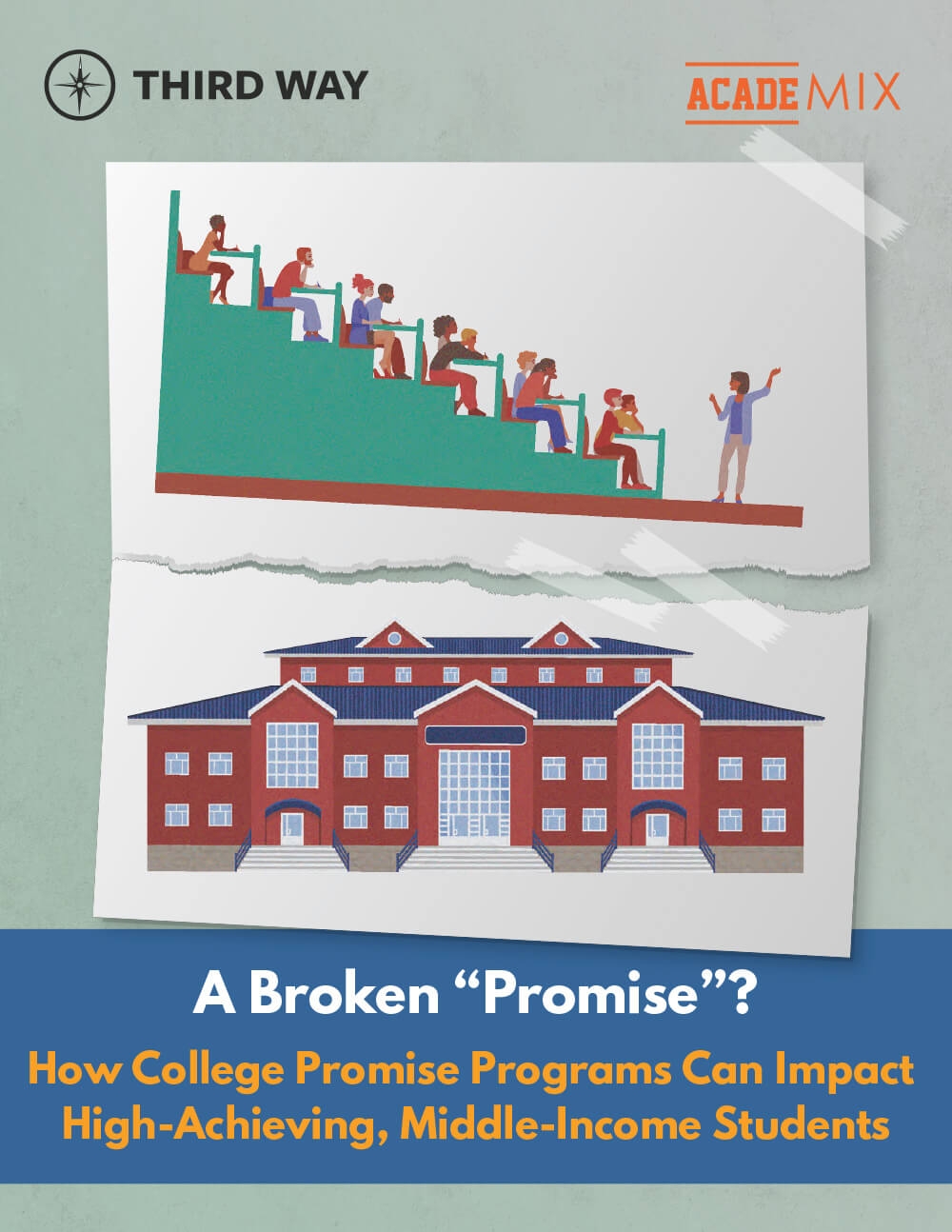
This report builds off previous research on American Honors to look at the unintended consequences of college promise programs for the economic mobility of high-achieving, low-income students.
This study compares the out-of-sample predictive power of early momentum metrics—13 near-term success measures suggested by the literature—with that of metrics from machine-learning-based models that employ approximately 500 predictors for community college credential completion.
This journal article explores similarities and dissimilarities of higher education policies in England and the United States with an eye to what each country can learn from the other regarding the reduction of social class and racial/ethnic differences in higher education access and success.
This report examines the efforts of six state higher education systems to improve student outcomes and close opportunity gaps in mathematics as part of a three-year project led by the Charles A. Dana Center at The University of Texas at Austin.
In this Innovative Higher Education article, the authors examine the development and dissolution of a partnership between a privately held firm and six community colleges, which had established honors programs with the goal of facilitating students' transfer to selective institutions.
Drawing on data from six community colleges, this paper estimates the effects of part-time faculty versus full-time faculty on students’ current and subsequent course outcomes in developmental and gateway courses and explores potential explanations for these effects.