This CAPSEE working paper examines student outcomes at six community colleges in North Carolina that had co-located American Job Centers on their campuses.
This article uses qualitative data from a multi-campus study of instructional reform in developmental education to present a typology of questions raised by community college faculty teaching in reformed contexts.
Using focus group data from students at six colleges, this paper examines student preferences concerning technology-based advising tools and in-person advising sessions for different kinds of advising tasks.
This practitioner packet summarizes CCRC’s research on remedial placement at community colleges and considers how including students’ high school transcript information in the assignment process could improve placement accuracy.
Using two waves of the Beginning Postsecondary Student survey, this paper provides the first national estimates of the effect of the Federal Work-Study program on students' academic and labor market outcomes.
Based on research at six colleges, this guide provides lessons for colleges that want to use increasingly common technology tools to reform advising practices.
This report provides an overview of the developmental education redesigns in Virginia and North Carolina, presents preliminary findings, and discusses lessons for states, districts, and colleges pursuing developmental education reforms.
Olga RodríguezBrooks BowdenClive BelfieldJudith Scott-Clayton
This publication presents findings on the costs of remedial placement testing at three colleges, and it provides guidance on how other colleges could undertake similar analyses.
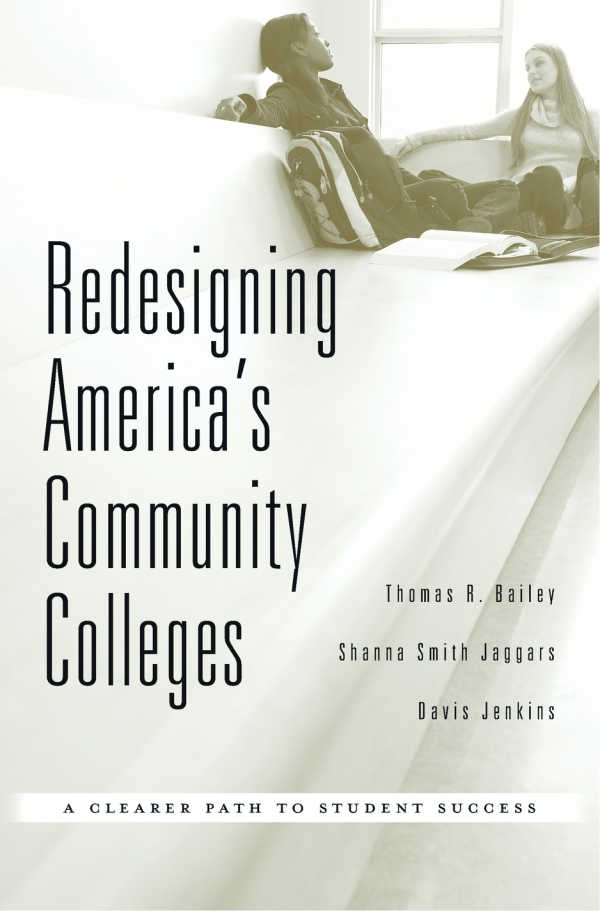
The authors of this book argue that to substantially increase student completion, community colleges must engage in fundamental redesign and outline research-based strategies to help colleges achieve this goal.