


Participation in Federal Work-Study

This fact sheet outlines how the Federal Work-Study program works, its effects on academic and labor market outcomes, and why so few community college students receive Federal Work-Study aid.
A Broken “Promise”? How College Promise Programs Can Impact High-Achieving, Middle-Income Students
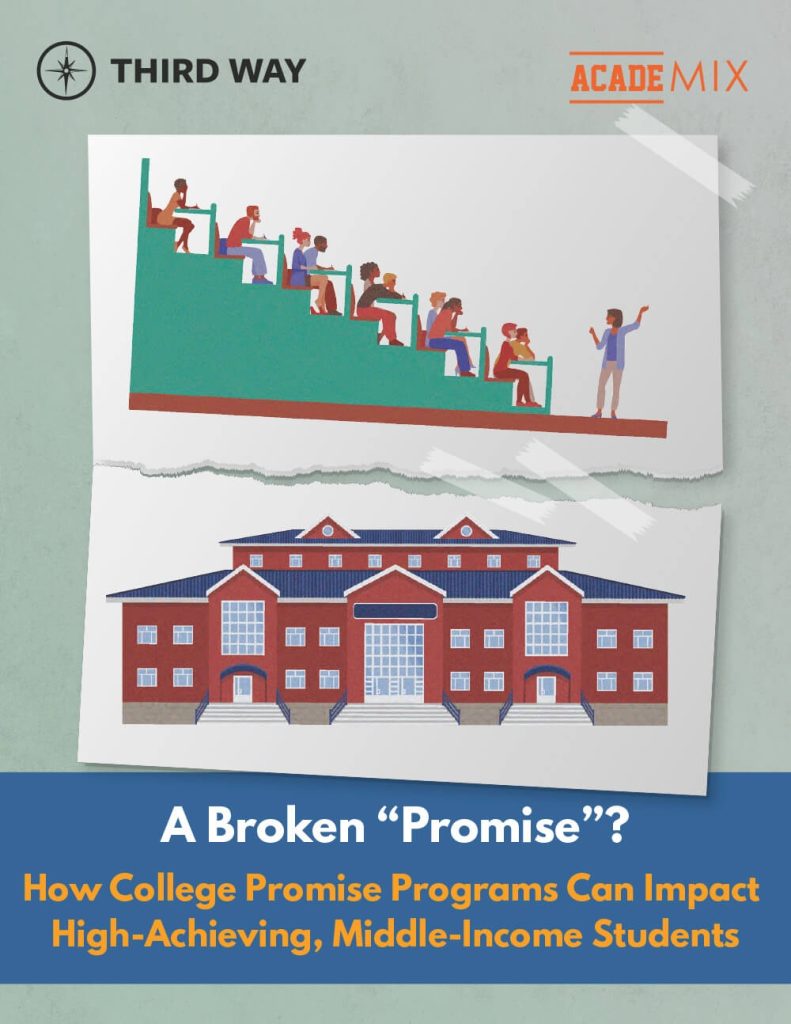
This report builds off previous research on American Honors to look at the unintended consequences of college promise programs for the economic mobility of high-achieving, low-income students.
Performance Standards in Need-Based Student Aid
This paper illustrates student responses to Satisfactory Academic Progress (SAP) requirements as well as the tradeoffs faced by a social planner weighing whether to set performance standards in the context of need-based aid.
Is School Out for the Summer? The Impact of Year-Round Pell Grants on Academic and Employment Outcomes of Community College Students
This paper employs a difference-in-difference approach to examine the credit, credential completion, and labor market outcomes resulting from the year-round Pell using a state administrative dataset from a community college system.
What Accounts for Gaps in Student Loan Default, and What Happens After
This Brookings Institution report uses data from the U.S. Department of Education to examine whether disparities in student loan default rates by race/ethnicity and institution sector can be explained by other factors, along with what happens after a default and whether this also varies across student subgroups.