


How Can We Improve Teaching in Higher Education? Learning From CUNY Start
This paper describes the professional development model used in CUNY Start, a program developed at the City University of New York to support entering students identified as academically underprepared in literacy and mathematics.
Exploring the State of the Humanities in Community Colleges
This paper discusses what is known about humanities coursework in community colleges, outlines key challenges facing humanities education in this sector, and considers approaches to addressing these challenges
A Broken “Promise”? How College Promise Programs Can Impact High-Achieving, Middle-Income Students
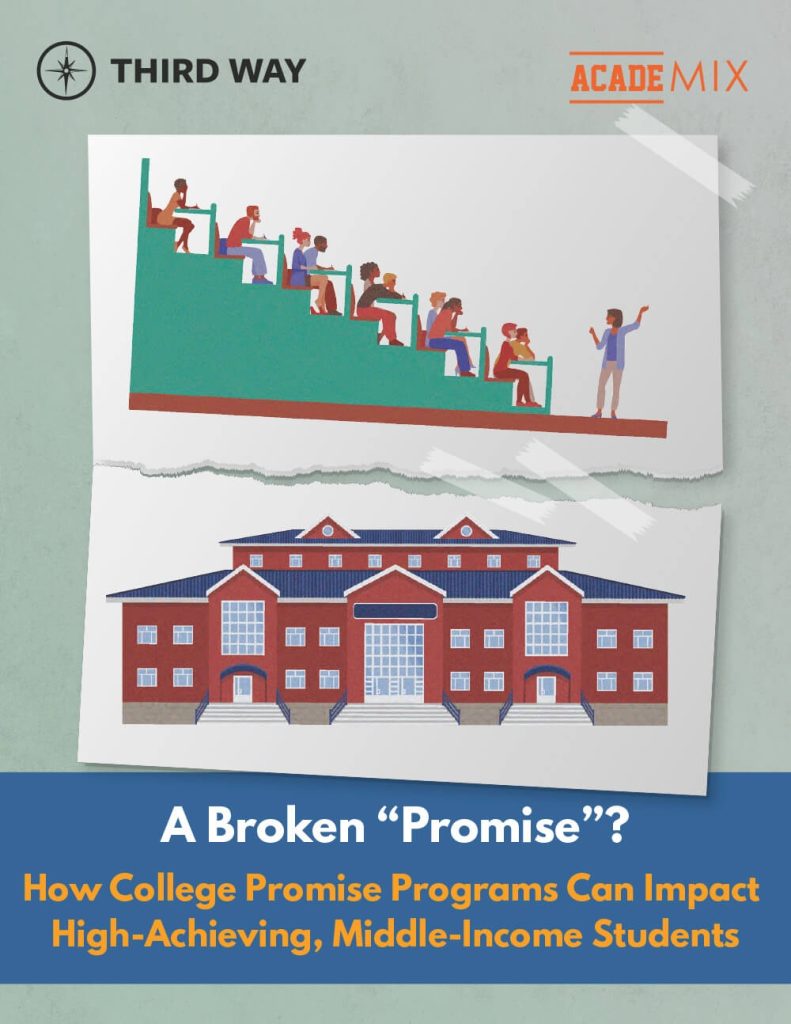
This report builds off previous research on American Honors to look at the unintended consequences of college promise programs for the economic mobility of high-achieving, low-income students.
Should Colleges Invest in Machine Learning? Comparing the Predictive Powers of Early Momentum Metrics and Machine Learning for Community College Credential Completion
This study compares the out-of-sample predictive power of early momentum metrics—13 near-term success measures suggested by the literature—with that of metrics from machine-learning-based models that employ approximately 500 predictors for community college credential completion.
Comparing and Learning From English and American Higher Education Access and Completion Policies
This journal article explores similarities and dissimilarities of higher education policies in England and the United States with an eye to what each country can learn from the other regarding the reduction of social class and racial/ethnic differences in higher education access and success.