


Estimating Returns to College Attainment: Comparing Survey and State Administrative Data Based Estimates

This CAPSEE working paper uses data from the National Longitudinal Survey of Youth 1997 to provide new, nationally representative, non-experimental estimates of the returns to degrees, as well as to assess the possible limitations of single-state, administrative-data-based estimates.
Labor Market Outcomes and Postsecondary Accountability: Are Imperfect Metrics Better Than None?
This NBER working paper uses state administrative data and unemployment records to construct a variety of possible institution-level labor market outcome metrics to explore how sensitive institutional ratings are to the choice of labor market metric, length of follow-up, and inclusion of adjustments for student characteristics.
Goodbye to Summer Vacation? The Effects of Summer Enrollment on College and Employment Outcomes

Using proximity to the closest four-year college as an instrumental variable, this CAPSEE working paper analyzes public higher education data from an anonymous state to examine how enrolling in summer credits can impact college and labor market outcomes.
Understanding the Relative Value of Alternative Pathways in Postsecondary Education: Evidence From the State of Virginia
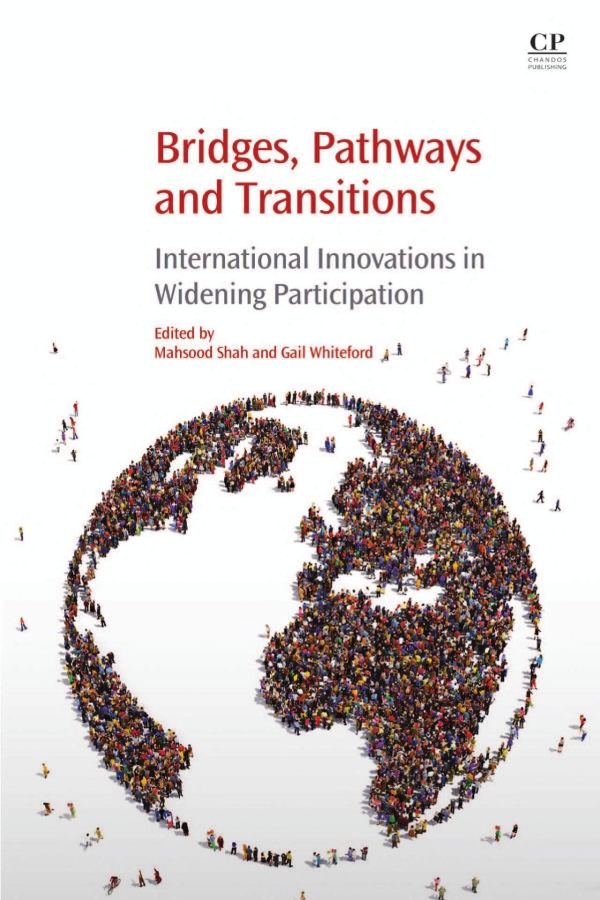
This book chapter replicates and extends analyses completed in other statewide studies and estimates returns to credentials and credit accumulation for first-time college students who enrolled in the Virginia Community College System (VCCS) in 2004–2005 using a classic Mincerian approach.
Financial Aid, Debt Management, and Socioeconomic Outcomes: Post-College Effects of Merit-Based Aid
This paper utilizes two complementary quasi-experimental strategies to identify causal effects of the WV PROMISE scholarship, a broad-based state merit aid program, up to 10 years post–college entry and examine important outcomes that have not previously been examined, including homeownership, neighborhood characteristics, and financial management.